pattern

Cambridge IELTS 16 - Academic - Test 1 - Reading - Passage 1

Learn vocabulary from Cambridge IELTS 16 Academic, Test 1 Reading Passage 1, and review useful words and expressions from this reading text.

Review

Flashcards

Forms

Spelling

Quiz
Start learning
Cambridge IELTS 16 - Academic
deliberate
deliberate
[Adjective]

done on purpose

Ex: His deliberate choice of words conveyed a sense of seriousness. 
Close
Sign in
pile
pile
[noun]

a number of objects placed one on top of the other
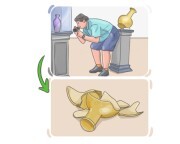
Ex: He stacked a pile of books on the table. 
Close
Sign in
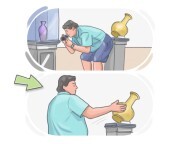
to knock over

to cause something or someone to fall
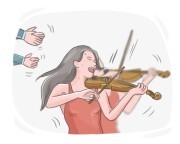
Ex: I've knocked over a few glasses of water while clumsily setting the table. 
Close
Sign in
to demonstrate

to show clearly that something is true or exists by providing proof or evidence
Ex: The scientist demonstrated the effectiveness of the new drug through a series of experiments. 
Close
Sign in
agile
agile
[Adjective]

mentally quick

Close
Sign in
frustration

the feeling of being impatient, annoyed, or upset because of being unable to do or achieve what is desired

Ex: His frustration was evident when his computer crashed in the middle of his work. 
Close
Sign in
to miss out

to lose the opportunity to do or participate in something useful or fun
Ex: If you leave now, you'll miss out on the exciting part of the movie. 
Close
Sign in
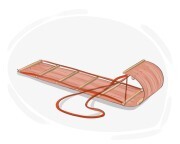
sled
sled
[noun]

a vehicle often pulled by horses used for carrying people over snow from one place to the other

Close
Sign in
remarkably
remarkably
[Adverb]

in a way that is unusually impressive, effective, or surprising
Ex: She sang the aria remarkably, with both power and subtlety. 
Close
Sign in
astonishing
astonishing
[Adjective]

causing great surprise or amazement due to being impressive, unexpected, or remarkable
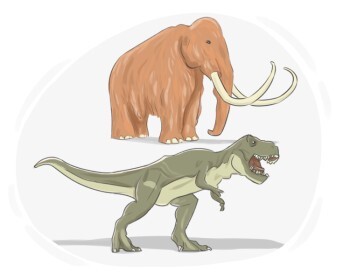
Ex: She shared an astonishing story about her travels in Africa. 
Close
Sign in
extinction

a situation in which a particular animal or plant no longer exists

Close
Sign in
breakthrough

an important discovery or development that helps improve a situation or answer a problem

Ex: The scientist's groundbreaking research led to a major breakthrough in cancer treatment. 
Close
Sign in
majestic
majestic
[Adjective]

impressive and noble, often with a grand or dignified appearance
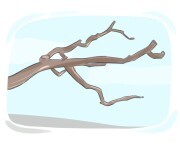
Ex: The majestic eagle soared through the sky with grace and power. 
Close
Sign in
build-up
build-up
[noun]

an increase in power, intensity, or quantity, usually one that happens gradually

Close
Sign in
branch
branch
[noun]

a part of a tree divided into some other parts on which the leaves grow

Ex: The children climbed the sturdy branch of the oak tree, enjoying the view from high up. 
Close
Sign in
conscious
conscious
[Adjective]

done with purpose

Ex: She made a conscious effort to speak more slowly. 
Close
Sign in
disappearance

ceasing to exist

Close
Sign in
far-reaching
far-reaching
[Adjective]

having significant effects, implications, or consequences that extend over a wide area or range

Ex: The far-reaching consequences of the decision affected not only the company but also its employees and customers. 
Close
Sign in
arctic circle

a line of latitude near but to the south of the north pole; it marks the northernmost point at which the sun is visible on the northern winter solstice and the southernmost point at which the midnight sun can be seen on the northern summer solstice
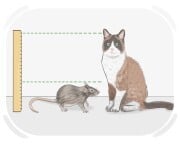
Close
Sign in
comparative
comparative
[Adjective]

relating to or including the evaluation of similarities and differences between two or more things

Ex: The comparative study revealed significant differences in the teaching methods used across various schools. 
Close
Sign in
adipose tissue

a kind of body tissue containing stored fat that serves as a source of energy; it also cushions and insulates vital organs

Ex: Adipose tissue stores excess energy for later use. 
Close
Sign in
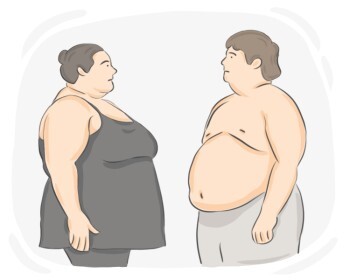
obese
obese
[Adjective]

extremely overweight, with excess body fat that significantly increases health risks
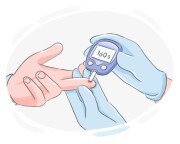
Ex: Due to his sedentary lifestyle and poor diet, Tom has become obese. 
Close
Sign in
diabetes
diabetes
[noun]

a serious medical condition in which the body is unable to regulate the blood sugar levels because it does not produce enough insulin

Close
Sign in
to [shed] light on {sth}

to provide clarification, understanding, or insight into a topic, situation, or problem

Ex: The new report sheds light on why the project failed. 
Close
Sign in
mystery
mystery
[noun]

something that is hard to explain or understand, often involving a puzzling event or situation with an unknown explanation

Ex: The disappearance of the ship remains a mystery to this day. 
Close
Sign in
genetic
genetic
[Adjective]

connected to the parts of the DNA in cells, called genes, that determine hereditary traits

Ex: Genetic testing can provide insights into an individual's risk of developing certain diseases. 
Close
Sign in
relative
relative
[noun]

an animal or plant that bears a relationship to another (as related by common descent or by membership in the same genus)
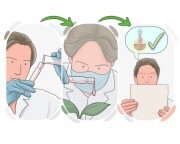
Close
Sign in
to determine

to learn of and confirm the facts about something through calculation or research
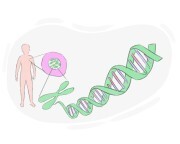
Ex: Scientists regularly determine the chemical composition of substances in the laboratory. 
Close
Sign in
gene
gene
[noun]

(genetics) a basic unit of heredity and a sequence of nucleotides in DNA that is located on a chromosome in a cell and controls a particular quality

Ex: The gene responsible for eye color is inherited from both parents. 
Close
Sign in
tough
tough
[Adjective]

difficult to endure

Ex: After graduating, he faced a tough time finding a job in his field. 
Close
Sign in
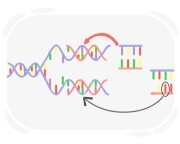
mutation
mutation
[noun]

(biology) a change in the structure of the genes of an individual that causes them to develop different physical features
Ex: The fish exhibited a unique fin shape, which was later identified as a result of a genetic mutation. 
Close
Sign in
to associate

to make a connection between someone or something and another in the mind

Ex: Many people associate the smell of freshly baked cookies with warmth and home. 
Close
Sign in
model
model
[noun]

an ideal or exemplary representation of a particular quality, type, or style
Ex: His calm demeanor under stress made him a model of composure. 
Close
Sign in
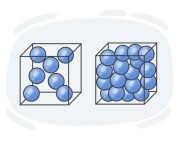
density
density
[noun]

(physics) the degree to which a substance is compacted, measured by dividing its mass by its volume

Ex: The density of water is approximately 1 gram per cubic centimeter (g/cm³). 
Close
Sign in
insufficient
insufficient
[Adjective]

not enough in degree or amount

Ex: The amount of evidence presented was deemed insufficient to support the claim. 
Close
Sign in
intake
intake
[noun]

the process of taking food into the body through the mouth (as by eating)

Close
Sign in
starvation

the state of suffering or dying from lack of food
Ex: Thousands of people faced starvation during the drought. 
Close
Sign in
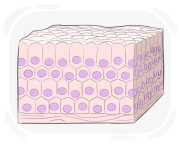
to remodel

to change the figure, appearance or structure of something
Ex: They decided to remodel the kitchen to create a more open layout. 
Close
Sign in
tissue
tissue
[noun]

a group of cells in the body of living things, forming their different parts

Ex: Muscle tissue enables movement and supports the body's structure. 
Close
Sign in
nutrient
nutrient
[noun]

a substance such as a vitamin, protein, fat, etc. that is essential for good health and growth
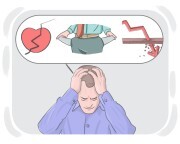
Ex: Fiber is a nutrient that aids in digestion. 
Close
Sign in
to undergo

to experience or endure a process, change, or event

Ex: The patient had to undergo surgery to address the medical condition. 
Close
Sign in
pregnancy
pregnancy
[noun]

the condition of carrying a developing baby in the womb

Ex: She announced her pregnancy to the family. 
Close
Sign in
maternity
maternity
[noun]

the quality or fact of being a mother to a child or children
Ex: She took maternity leave after the birth of her baby to spend time bonding with her child. 
Close
Sign in
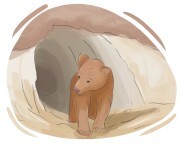
den
den
[noun]

the hidden place where a wild predatory animal lives
Ex: Bears often construct dens in caves or burrow into the ground for hibernation during the winter months. 
Close
Sign in
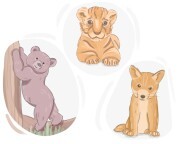
cub
cub
[noun]

a young carnivorous mammal, such as a bear, lion, fox, etc.
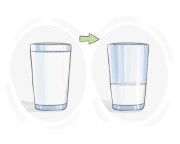
Ex: The lion cub played beside its mother. 
Close
Sign in
fasting
fasting
[noun]

abstaining from food

Close
Sign in
to deplete

to use up or diminish the quantity or supply of a resource, material, or substance

Ex: Continuous deforestation can deplete the natural habitat for many species. 
Close
Sign in
reserve
reserve
[noun]

something kept back or saved for future use or a special purpose

Ex: The bank holds a reserve of cash to cover unexpected withdrawals. 
Close
Sign in
to emerge
to emerge
[Verb]

to become visible after coming out of somewhere
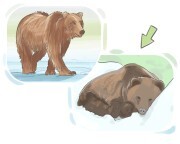
Ex: The pattern on the fabric emerged slowly as the dye set in. 
Close
Sign in
hibernating
hibernating
[Adjective]

in a condition of biological rest or suspended animation

Close
Sign in
capacity
capacity
[noun]

the ability or power to achieve something or develop into a certain state in the future

Ex: With the right training, he has the capacity to become a world-class athlete. 
Close
Sign in
to resort
to resort
[Verb]

to turn to or use something as a solution or means of help, especially as a last option
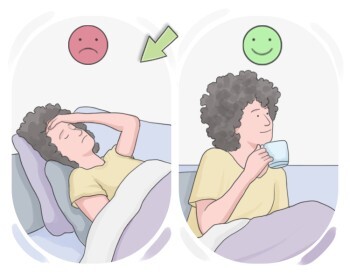
Ex: When negotiations failed, they had to resort to legal action to resolve the dispute. 
Close
Sign in
bedridden
bedridden
[Adjective]

having to stay in bed, usually for a long time, due to illness or injury
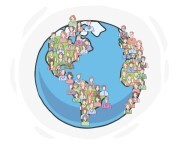
Ex: Sarah's grandmother became bedridden after breaking her hip, requiring assistance with all daily activities. 
Close
Sign in
humanity
humanity
[noun]

all of the living human inhabitants of the earth

Close
Sign in
conservation

the protection of the natural environment and resources from wasteful human activities

Ex: Conservation efforts are crucial to preserving endangered species and their habitats. 
Close
Sign in
to [take] {sth} into consideration

to give thought to a certain fact before making a decision
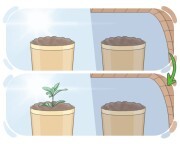
Ex: When planning the project, we need to take budget constraints into consideration. 
Close
Sign in
to tend
to tend
[Verb]

to be likely to develop or occur in a certain way because that is the usual pattern
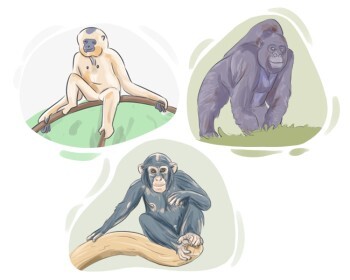
Ex: Some plants tend to thrive in direct sunlight, while others prefer shade. 
Close
Sign in
primate
primate
[noun]

any mammalian animal that belongs to the same group as humans, such as monkeys, apes, lemurs, etc.

Close
Sign in
anecdotal
anecdotal
[Adjective]

derived from personal experiences or stories, rather than from systematic research or data

Ex: The effectiveness of the remedy was based on anecdotal evidence, with many people sharing their personal success stories. 
Close
Sign in
to manipulate

to skillfully control or work with information, a system, tool, etc.

Ex: She's able to manipulate complex data sets to extract meaningful insights for her research. 
Close
Sign in
to dislodge

to forcefully remove something that is stuck or fixed in a particular position

Ex: The maintenance crew used a specialized tool to dislodge the clogged pipe. 
Close
Sign in
to witness

to have firsthand knowledge of a development or event through observation or personal experience

Ex: They witnessed the growth of the city skyline over the years. 
Close
Sign in
calculated
calculated
[Adjective]

carefully thought out in advance

Close
Sign in
reformation

rescuing from error and returning to a rightful course

Close
Sign in
mechanism
mechanism
[noun]

a natural object resembling a machine in structure or function

Close
Sign in
to perceive

to understand or think about someone or something in a certain way

Ex: People often perceive him as confident and friendly. 
Close
Sign in
thought-out
thought-out
[Adjective]

carefully planned or considered before being done or decided

Ex: Her response was calm and thought-out. 
Close
Sign in
to hand-raise

(of a person) to feed and care for a baby animal from birth instead of letting its mother do it

Ex: They are hand-raising the cubs to help them survive. 
Close
Sign in
LanGeek
Download LanGeek app