pattern

Cambridge IELTS 16 - Academic - Test 1 - Listening - Part 3

Here you can find the vocabulary from Test 1 - Listening - Part 3 in the Cambridge IELTS 16 - Academic coursebook, to help you prepare for your IELTS exam.

Review

Flashcards

Forms

Spelling

Quiz
Start learning
Cambridge IELTS 16 - Academic
to get on
to get on
[Verb]

to continue or begin a task, journey, or project

Ex: Despite the setback, we must get on and finish the job. 
Close
Sign in
theme
theme
[noun]

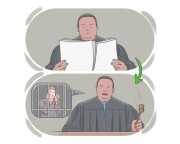
a recurring element that is the main idea or subject in a literary or artistic piece
Close
Sign in
to base on

to develop something using certain facts, ideas, situations, etc.

Ex: The report is based on extensive research in the field. 
Close
Sign in
to get into

to begin participating in, learning about, and developing a strong interest or passion for a particular activity, hobby, or topic

Ex: They got into gardening and created a colorful backyard oasis. 
Close
Sign in
introductory
introductory
[Adjective]

presented before the main subject, topic, etc. to provide context or familiarize

Ex: The introductory chapter of the book provides background information on the topic. 
Close
Sign in
stage
stage
[noun]

one of the phases in which a process or event is divided into

Ex: The project is currently in the planning stage, where goals are being defined. 
Close
Sign in
handout
handout
[noun]

printed material given to people, usually at lectures, meetings, or conferences, to provide information or summarize key points

Ex: The speaker distributed handouts to the audience after the presentation. 
Close
Sign in
to put off

to cause a person to dislike someone or something

Ex: His arrogance really put me off. 
Close
Sign in
texture
texture
[noun]

the way something feels to the touch

Close
Sign in
to look forward to

to wait with satisfaction for something to happen

Ex: I look forward to the weekend when I can relax and spend time with my family. 
Close
Sign in
letdown
letdown
[noun]

a feeling of disappointment or sadness due to something not meeting one's expectations or hopes

Close
Sign in
to pour
to pour
[Verb]

to rain heavily and in a large amount
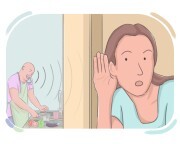
Ex: It started to pour just as we left the house, drenching us completely. 
Close
Sign in
hardly
hardly
[Adverb]

to a very small degree or extent

Ex: She hardly knew him, yet she agreed to help. 
Close
Sign in
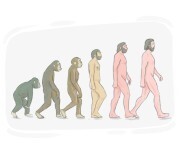
evolution
evolution
[noun]

(biology) the slow and gradual development of living things throughout the history of the earth

Ex: Evolution is the process by which species change over time in response to environmental pressures. 
Close
Sign in
workshop
workshop
[noun]

a meeting where people focus on a particular subject or project, share ideas, and practice skills together

Ex: She attended a workshop on creative writing. 
Close
Sign in
session
session
[noun]

a scheduled period of teaching, instruction, or learning activities conducted within a defined timeframe

Ex: The morning session consisted of three classes, including mathematics, science, and English. 
Close
Sign in
brainstorming

a collaborative technique for generating ideas or solutions through group discussion

Ex: The team held a brainstorming session to generate ideas for their upcoming marketing campaign. 
Close
Sign in
to draft
to draft
[Verb]

to write something for the first time that needs corrections for the final presentation

Ex: The author spent hours drafting the opening chapter of his novel, knowing that revisions would follow. 
Close
Sign in
proposal
proposal
[noun]

something suggested or put forward for consideration, such as an idea, plan, or assumption
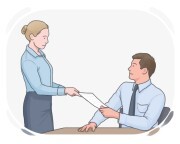
Ex: Her proposal to extend the project was accepted. 
Close
Sign in
to hand in

to submit or deliver something, such as an assignment, document, application or lost item, usually to a person in authority or to an organization
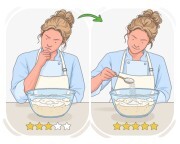
Ex: He needs to hand in his completed project by the end of the day. 
Close
Sign in
to amend
to amend
[Verb]

to make adjustments to improve the quality or effectiveness of something

Ex: The author amended the manuscript by revising the plot to create a more engaging story. 
Close
Sign in
description

a written or oral piece intended to give a mental image of something
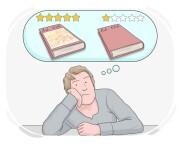
Ex: The book contains a vivid description of the main character. 
Close
Sign in
to evaluate

to calculate or judge the quality, value, significance, or effectiveness of something or someone

Ex: The teacher evaluates students' performance through tests and assignments. 
Close
Sign in
timeline
timeline
[noun]

a list of events arranged in the order of their occurance

Ex: The documentary included a timeline of key historical events. 
Close
Sign in
mind map
mind map
[noun]

a visual representation of ideas, concepts, or information, typically organized around a central topic or theme

Ex: Sarah used a mind map to brainstorm ideas for her research paper, organizing key points and connecting related concepts. 
Close
Sign in
basis
basis
[noun]

the underlying principles that serve as the foundation upon which something is initiated, developed, calculated, or explained

Ex: The researcher built his theory on the basis of numerous experiments and verifiable data. 
Close
Sign in
rationale
rationale
[noun]

the justification or reasoning behind a decision or argument

Ex: The teacher explained the rationale behind the new grading system to the students. 
Close
Sign in
to work out

to find a solution to a problem

Ex: We must work out a solution to the budgetary issues before moving forward. 
Close
Sign in
precise
precise
[Adjective]

in accordance with truth

Ex: His precise recollection of the events helped investigators solve the case quickly. 
Close
Sign in
scope
scope
[noun]

the opportunity or capacity to do or achieve something

Ex: The new project gives us greater scope to explore different creative solutions. 
Close
Sign in
to swoop
to swoop
[Verb]

to move quickly and suddenly downward through the air
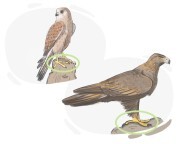
Ex: The eagle swoops down to catch its prey. 
Close
Sign in
talon
talon
[noun]

a long, sharp nail on the foot of some birds, especially birds of prey

Close
Sign in
to take up

to occupy a particular amount of space or time

Ex: The large sofa took up most of the room. 
Close
Sign in
(in|with) relation to
in relation to
[preposition]

referring to or concerning a particular topic, subject, or context
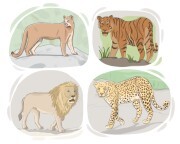
Ex: The company issued a statement in relation to the recent allegations, addressing the concerns raised by the public. 
Close
Sign in
predator
predator
[noun]

any animal that lives by hunting and eating other animals

Ex: The lion is a formidable predator, using its strength and agility to hunt large herbivores such as zebras and wildebeests. 
Close
Sign in
food chain

a system in nature where animals and plants depend on each other for food
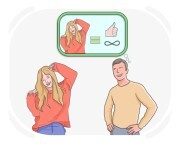
Ex: The lion is at the top of the food chain in the savannah. 
Close
Sign in
impression

an opinion or feeling that one has about someone or something, particularly one formed unconsciously
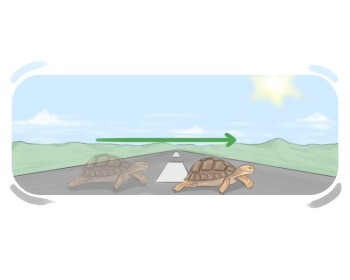
Ex: Her cheerful demeanor gave me the impression that she was always happy. 
Close
Sign in
motion
motion
[noun]

a natural process involving a change in position or orientation of an object
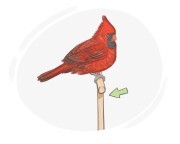
Ex: The planet's motion around the sun is elliptical. 
Close
Sign in
to perch
to perch
[Verb]

(of a bird) to land and rest on something, such as a branch, bar, etc.

Ex: The robin perched on the windowsill, singing softly. 
Close
Sign in
reed
reed
[noun]

a tall grass-like plant that grows in water or near it
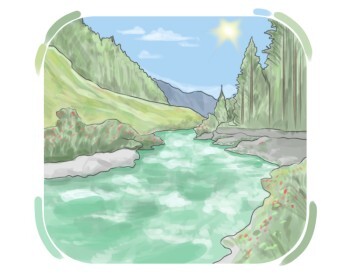
Ex: Along the tranquil lake shore, tall reeds swayed gently in the breeze, providing habitat for nesting birds and small aquatic creatures. 
Close
Sign in
stream
stream
[noun]

a small and narrow river that runs on or under the earth

Ex: The stream runs through the forest and into the lake. 
Close
Sign in
link
link
[noun]

a relationship or connection between two or more things or people
Ex: There is a strong link between exercise and overall health. 
Close
Sign in
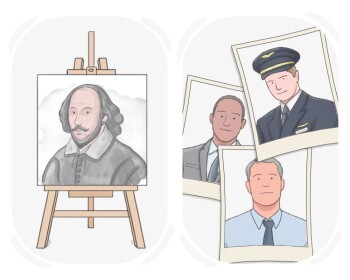
portrait
portrait
[noun]

a drawing, photograph, or painting of a person, particularly of their face and shoulders

Ex: The artist completed a beautiful portrait of the young girl, capturing her serene expression. 
Close
Sign in
expression

a specific look on someone's face, indicating what they are feeling or thinking
Ex: Her eyes widened in surprise, an expression that conveyed her shock better than words ever could. 
Close
Sign in
ambiguous
ambiguous
[Adjective]

unclear and not precisely stated or defined

Ex: The movie's ending was ambiguous, leaving the audience with more questions than answers. 
Close
Sign in
to exploit

to use someone or something in an unfair way, which is only advantageous to oneself

Ex: Some companies exploit natural resources without regard for environmental conservation. 
Close
Sign in
to refer to

to mention or discuss someone or something

Ex: She didn't want to directly refer to the sensitive topic, so she chose her words carefully. 
Close
Sign in
apparently
apparently
[Adverb]

used to convey that something seems to be true based on the available evidence or information

Ex: He apparently left the office early today; his desk is empty. 
Close
Sign in
reference
reference
[noun]

a mention or citation of something, often to provide context or support for an idea

Ex: The article included several references to previous studies on the topic. 
Close
Sign in
cycle
cycle
[noun]

a regularly repeating sequence or period of events

Ex: Day and night form a daily cycle. 
Close
Sign in
existence
existence
[noun]

the fact or state of existing or being objectively real

Ex: Philosophers have long debated the nature of existence and what it means to be alive. 
Close
Sign in
fist
fist
[noun]

the hand with the fingers tightly bent toward the palm

Ex: He clenched his fist tightly in frustration, feeling the anger boiling inside him. 
Close
Sign in
source
source
[noun]

a book or a document that supplies information in a research and is referred to

Ex: The historian cited an ancient manuscript as her primary source. 
Close
Sign in
evaluative
evaluative
[Adjective]

relating to forming or giving an opinion about the qualities or values of something upon adequate consideration

Ex: The evaluative criteria for the award focused on creativity, originality, and execution. 
Close
Sign in
threat
threat
[noun]

something that poses danger or the possibility of harm

Ex: Pollution is a major threat to marine life. 
Close
Sign in
continuity

the state of happening or existing over a period of time without change or interruption

Close
Sign in
action plan

a written document that clearly lists what needs to be done, who will do it, and when it will be done in order to reach a specific goal or finish a project
Ex: The manager shared the action plan with the whole team. 
Close
Sign in
diary
diary
[noun]

a book or journal in which one records personal experiences, thoughts, or feelings on a regular basis, usually on a daily basis

Ex: She kept a diary throughout her travels, documenting her experiences and the people she met along the way. 
Close
Sign in
LanGeek
Download LanGeek app