pattern

Cambridge IELTS 16 - Academic - Test 2 - Reading - Passage 2 (2)

Here you can find the vocabulary from Test 2 - Reading - Passage 2 (2) in the Cambridge IELTS 16 - Academic coursebook, to help you prepare for your IELTS exam.

Review

Flashcards

Forms

Spelling

Quiz
Start learning
Cambridge IELTS 16 - Academic
to unravel

to make something clear or understandable

Ex: The professor unraveled the theory for the students. 
Close
Sign in
to aid
to aid
[Verb]

to help or support others in doing something

Ex: The organization aids communities affected by natural disasters. 
Close
Sign in
digestion
digestion
[noun]

a process in the body in which food is broken into small substances to be absorbed

Close
Sign in
to regulate

to control the amount or degree of something to meet specific standards or requirements

Ex: The thermostat regulates the temperature in the room automatically. 
Close
Sign in
to eliminate

to fully remove or get rid of something

Ex: The exterminator worked to eliminate the infestation of pests in the house. 
Close
Sign in
toxin
toxin
[noun]

a poisonous substance, especially one produced by living organisms, that can cause harm or illness when introduced into a living organism

Ex: The snake's venom contained potent toxins that could be lethal to its prey. 
Close
Sign in
to combat
to combat
[Verb]

to prevent something harmful from happening or becoming worse

Ex: They are working hard to combat pollution in the city. 
Close
Sign in
obesity
obesity
[noun]

the condition of having such a high amount of body fat that it becomes very dangerous for one's health

Ex: Obesity rates have been steadily rising worldwide, becoming a major public health concern in many countries. 
Close
Sign in
obsession
obsession
[noun]

a strong and uncontrollable interest or attachment to something or someone, causing constant thoughts, intense emotions, and repetitive behaviors

Ex: His obsession with cleanliness led him to clean his house multiple times a day. 
Close
Sign in
hygiene
hygiene
[noun]

practices that promote cleanliness and health, involving personal care, sanitation, and the maintenance of a clean environment
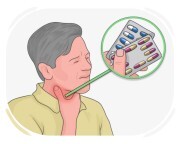
Ex: Washing hands with soap and water is a fundamental hygiene practice to prevent the spread of germs. 
Close
Sign in
antibiotic

a medicine that kills or stops the growth of bacteria

Ex: The doctor prescribed an antibiotic for the infection. 
Close
Sign in
fiber
fiber
[noun]

a type of carbohydrate that cannot be broken down by the body and instead helps regulate bowel movements and maintain a healthy digestive system

Ex: Whole grains are a good source of fiber, which helps with digestion. 
Close
Sign in
to disrupt

to stop the normal flow of something, often temporarily
Ex: The unexpected power outage disrupted the entire office. 
Close
Sign in
soaring
soaring
[Adjective]

ascending to a level markedly higher than the usual

Close
Sign in
rate
rate
[noun]

the number of times something changes or happens during a specific period of time

Ex: The crime rate in the city has decreased significantly over the past year. 
Close
Sign in
norm
norm
[noun]

a standard or expectation that guides behavior within a group or society

Ex: She challenged the norm by choosing a nontraditional career path. 
Close
Sign in
excessive
excessive
[Adjective]

beyond what is considered normal or socially acceptable
Ex: The amount of sugar in the cake was excessive, making it overly sweet. 
Close
Sign in
detergent
detergent
[noun]

a cleaning substance that is designed to remove dirt, stains, and other impurities from surfaces or fabrics

Ex: She added a scoop of detergent to the washing machine to ensure the clothes came out clean and fresh. 
Close
Sign in
antibacterial
antibacterial
[Adjective]

related to substances or agents that have the ability to inhibit the growth and reproduction of bacteria

Ex: The school cafeteria uses antibacterial solutions to sanitize tables. 
Close
Sign in
exposure
exposure
[noun]

the state of being vulnerable or exposed

Close
Sign in
diverse
diverse
[Adjective]

showing a variety of distinct types or qualities

Ex: The team consisted of individuals from diverse backgrounds, bringing a range of experiences and perspectives to the table. 
Close
Sign in
decidedly
decidedly
[Adverb]

in a way that is certain and beyond any doubt
Ex: The weather was decidedly colder than the forecast suggested. 
Close
Sign in
unglamorous
unglamorous
[Adjective]

not challenging; dull and lacking excitement

Close
Sign in
appealing
appealing
[Adjective]

pleasing and likely to arouse interest or desire

Ex: Despite her simple attire, there was something undeniably appealing about her natural beauty. 
Close
Sign in
case study

a recorded analysis of a person, group, event or situation over a length of time
Ex: Researchers conducted a case study to explore the long-term effects of a new drug on patients with rare medical conditions. 
Close
Sign in
fungus
fungus
[noun]

a plant-like organism that often grows on organic matter and has no flowers or leaves, such as moulds and mushrooms
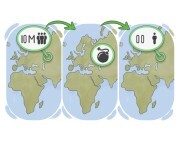
Ex: They discovered a new species of fungus in the rainforest that glows in the dark. 
Close
Sign in
to wipe out

to cause the death of a significant portion of a population

Ex: The deadly gas could wipe out entire populations if released. 
Close
Sign in
to halt
to halt
[Verb]

to stop or bring an activity, process, or operation to an end

Ex: The company decided to halt the production of the outdated model. 
Close
Sign in
luminescent
luminescent
[Adjective]

emitting light not caused by heat

Close
Sign in
predator
predator
[noun]

any animal that lives by hunting and eating other animals

Ex: The lion is a formidable predator, using its strength and agility to hunt large herbivores such as zebras and wildebeests. 
Close
Sign in
distaste
distaste
[noun]

a feeling of dislike toward something or someone

Ex: His distaste for spicy food was evident in his grimace after tasting the dish. 
Close
Sign in
investigation

the act or process of gathering evidence or facts of a matter in a scientific and systematic way

Ex: The scientists' investigation of the ancient artifacts provided valuable insights into early civilizations. 
Close
Sign in
enthusiasm

a feeling of great excitement and passion

Ex: She showed great enthusiasm for the new project. 
Close
Sign in
wonder
wonder
[noun]

a state of curiosity or desire to understand something
Ex: His mind was full of wonder about the universe. 
Close
Sign in
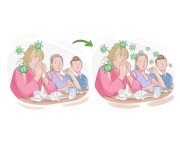
to infect
to infect
[Verb]

to transmit a disease to a person, animal, or plant

Ex: Contaminated water sources can infect individuals with waterborne diseases. 
Close
Sign in
loaded
loaded
[Adjective]

containing a large amount

Ex: He carried a loaded backpack on the hike. 
Close
Sign in
to manipulate

to skillfully control or work with information, a system, tool, etc.

Ex: She's able to manipulate complex data sets to extract meaningful insights for her research. 
Close
Sign in
to construct

to build a house, bridge, machine, etc.

Ex: Engineers and construction workers collaborated to construct a sturdy and safe bridge. 
Close
Sign in
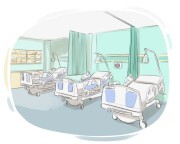
neonatal
neonatal
[Adjective]

related to the period immediately after birth and the medical care and conditions concerning newborn infants
Close
Sign in
ward
ward
[noun]

a separate area in a hospital for patients with similar conditions
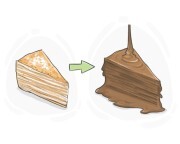
Ex: The hospital’s pediatric ward is specifically for children who need medical care. 
Close
Sign in
to coat
to coat
[Verb]

to put a substance over the surface of something, often as a covering

Ex: The carpenter decided to coat the wooden furniture with a layer of protective varnish. 
Close
Sign in
to adapt
to adapt
[Verb]

to adjust oneself to fit into a new environment or situation

Ex: After moving abroad, he had to quickly adapt to the local culture. 
Close
Sign in
to exaggerate

to describe something better, larger, worse, etc. than it truly is
Ex: She tends to exaggerate her accomplishments on her resume to make herself stand out. 
Close
Sign in
plentiful
plentiful
[Adjective]

available in large quantity

Ex: In the forest, berries were plentiful, providing food for many animals. 
Close
Sign in
vastly
vastly
[Adverb]

to a great degree or extent

Ex: The new software vastly improves performance. 
Close
Sign in
relatively
relatively
[Adverb]

to a specific degree, particularly when compared to other similar things
Ex: The test was relatively easy compared to the last one. 
Close
Sign in
confusion
confusion
[noun]

a state of being confused and not having a clear understanding of an action, behavior, etc.

Ex: The student's confusion was evident when he couldn't solve the math problem. 
Close
Sign in
misleading
misleading
[Adjective]

intended to give a wrong idea or make one believe something that is untrue
Ex: The advertisement contained misleading information about the effectiveness of the weight loss product. 
Close
Sign in
to base on

to develop something using certain facts, ideas, situations, etc.
Ex: The report is based on extensive research in the field. 
Close
Sign in
poison
poison
[noun]

a deadly substance that can kill or seriously harm if it enters the body

Ex: The scientist studied the effects of poison on the nervous system. 
Close
Sign in
to upset
to upset
[Verb]

to disturb or interrupt the normal function or order of something

Ex: Any changes to the schedule could upset the carefully planned itinerary. 
Close
Sign in
partnership

a formal arrangement where two or more individuals, organizations, etc. come together as partners to achieve a goal, typically in business

Ex: The new venture was formed through a strategic partnership between two leading companies in the industry. 
Close
Sign in
regulation

a rule made by the government, an authority, etc. to control or govern something within a particular area
Ex: The new regulations require all vehicles to undergo emissions testing annually. 
Close
Sign in
nutrition
nutrition
[noun]

food that is essential to one's growth and health

Ex: Fruits and vegetables are essential components of a healthy diet, providing valuable nutrition and vitamins to nourish the body. 
Close
Sign in
desired
desired
[Adjective]

wanted intensely

Close
Sign in
cocktail
cocktail
[noun]

a mix of different substances or conditions that together cause a strong, often harmful or unpleasant effect

Ex: The patient was given a cocktail of drugs for the illness. 
Close
Sign in
LanGeek
Download LanGeek app