Vocabulario para IELTS (Académico) - Emigración
Aquí aprenderás algunas palabras en inglés sobre emigración, como "immigrant", "outsider", "camp", etc. que se necesitan para el examen IELTS.
Revisión
Tarjetas de memoria
formas
Ortografía
Cuestionario


someone who comes to live in a foreign country

inmigrante

a person who lives in a country of which they are not a citizen
extranjero
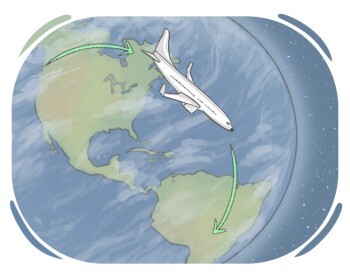
to leave one's own country in order to live in a foreign country
emigrar
Después de años de cuidadosa planificación, la familia Smith decidió emigrar de su tierra natal.
the fact or process of coming to another country to permanently live there
inmigración
Solicitó el estatus de inmigración después de casarse con un ciudadano del país.
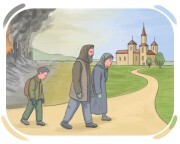
a person forced to leave their country or home to escape war, persecution, or serious danger
refugiado

to go and reside in a place as a permanent home
establecerse, instalarse

an official mark on someone's passport that allows them to enter or stay in a country
visa, visado
Se les concedió un visado de estudiante para asistir a la universidad en los Estados Unidos.
the protection that a country grants to someone who has fled their home country because of political reasons
asilo político
Muchos refugiados solicitan asilo político cuando escapan de la violencia política.
the act of permanently leaving one's own country to go and live in another
emigración
El gobierno introdujo políticas para controlar la emigración.
to come to a foreign country and live there permanently
inmigrar
Impulsados por un deseo de diversidad cultural, Emma y James eligieron emigrar a Australia.
to move from a country or region in search of a better job or living conditions
migrar
Los trabajadores inmigrantes a menudo migran a países desarrollados, atraídos por la promesa de salarios más altos.
a person who does not belong to or is not involved in a particular group, organization, community, or place
persona de afuera
a community established by people living far from their homeland who retain nationality and cultural ties, without being governed by the home state
asentamiento

to force a foreigner to leave a country, usually because they have broken the law
deportar
Los agentes de la patrulla fronteriza están deportando actualmente a un grupo de migrantes detenidos cerca de la frontera sur.

an official document that allows a foreigner to work and reside permanently in the United States
permiso de residencia
to grant citizenship to a foreigner
nacionalizar
El estado procede a naturalizar a los residentes elegibles después de que completen el proceso requerido.

forbidden by or against the law
ilegal
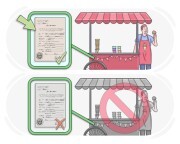
a piece of document which shows a person has the right to work in a particular country
permiso de trabajo

a military facility where troops are stationed for training or operational purposes
campo
to make someone leave their home by force, particularly because of an unpleasant event
desplazar
La decisión del gobierno de construir un nuevo proyecto de autopista desplazará a numerosas familias.
a person who is not a legal citizen of the country or city they work or live in
no ciudadano
Los no ciudadanos a menudo enfrentan desafíos para acceder a ciertos servicios sociales y beneficios disponibles para los ciudadanos.
a person actively looking for something, such as truth, knowledge, opportunity, or direction
buscador
El buscador espiritual meditaba diariamente en busca de paz interior.
a facility in which people, such as refugees, young offenders, etc. are held for a short period of time
centro de detención
El gobierno construyó un nuevo centro de detención cerca de la frontera.
the act or process of granting a foreigner the citizenship of a country
naturalización
a person who moves to a new area to live and establish a community
colono
Muchos colonos llegaron a la isla en el siglo XIX.
the expulsion of a non-citizen or foreigner from a country, often for being undesirable or violating laws
deportación
Deportación se aplica comúnmente a aquellos condenados por delitos graves.
in a way that lasts or remains unchanged for a very long time
permanentemente
La decisión de cerrar la fábrica se tomó permanentemente.
for a limited period of time
temporalmente
El cierre de la carretera está afectando temporalmente al tráfico.
the act of taking control of another country and sending people to settle there
colonización
La colonización de la isla por parte de colonos llevó a conflictos con los habitantes nativos.