
حروف ندا - حروف ندايی نارضايی و وحشت
این حروف ندا زمانی استفاده میشوند که گوینده مایل است انتقادی نسبت به رفتار یا اقدامات کسی بیان کند یا به چیزی غیرمنتظره و ناخوشایند واکنش نشان دهد.
مرور
فلشکارتها
املای کلمه
آزمون

used to vocalize disapproval, dissatisfaction, or disdain, particularly in response to something disliked or unwelcome

بوو, اه
بو! استدلال شما منطقی نیست.

used to express disapproval, disappointment, or reproach
تسک تسک, آخ آخ
تسک تسک، تو بهتر میدانی که نباید ظرفهای کثیفت را در سینک بگذاری.

used to express relief or satisfaction at the departure or removal of someone or something undesirable
خداحافظی خوب, خوش به حالش که رفت
خوش به حالت! ما منفیبافی مداوم شما را در دفتر از دست نخواهیم داد.

used to express exasperation or disapproval towards someone who is behaving immaturely or irresponsibly
بزرگ شو!, بالغ باش!
قهوهات رو ریختی و ناراحتی؟ بزرگ شو, فقط یه ریختن سادهست.

used to express strong disapproval, condemnation, or outrage at someone's actions or behavior
چطور جرات کردی, چطور جرات کردید
چطور جرات میکنی بد درباره دوست من حرف بزنی؟

used to express surprise, shock, or disapproval in response to something someone has said
زبان!, آن زبان!

used to indicate reluctant acceptance, skepticism, or resignation regarding someone's statement or assertion
اگر تو اینطور میگویی., هر طور تو بگویی.
فکر میکنی فردا باران میآید؟ اگه تو میگی.

used to express strong disagreement, disbelief, or rejection of what someone has said
چرند!, مزخرف!

used to convey disapproval, disappointment, or reproach towards someone for their actions, behavior, or decisions
شرم بر تو, چه شرمساری
تو در طول بازی تقلب کردی؟ شرم بر تو.
used to express mild reprimand, disapproval, or disappointment in response to someone's actions, behavior, or words
نچ نچ
تت-تت، لطفاً صدایت را پایین بیاور.

used in a legal proceeding to formally protest against a question, statement, evidence, or procedure
اعتراض!, ایراد دارم!

said to show one's relief or satisfaction after an annoying wait for something that was supposed to happen a long time ago
بالاخره!
تو گزارش را تمام کردی؟ بالاخره! ما یک مهلت در یک ساعت داریم.
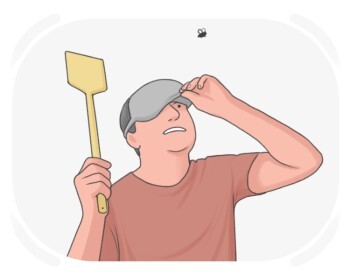
used to show that one is shocked, annoyed, or surprised
یا خدا, ای داد
ای داد، سه بار بهت گفتم در را قفل کن.

