
حروف ندا - حروف ندايی غم و همدردی
این حرفهای ندا زمانی استفاده میشوند که گوینده بخواهد غم و اندوه خود را در مورد بدبیاریهای خود بیان کند یا همدردی خود را با بدبیاریهای شخص دیگری ابراز کند.
مرور
فلشکارتها
املای کلمه
آزمون
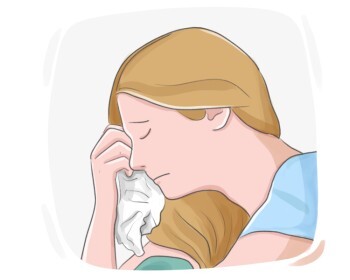
used to express sorrow, pain, lamentation, or sympathy

آه, وای
آی! از دست دادن جانها در این حادثه ویرانگر است.
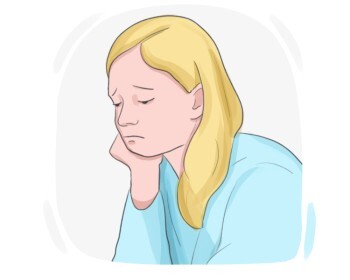
used to express sorrow, regret, or pity
افسوس, وای
افسوس, عشق ما قوی بود، اما برای غلبه بر تفاوتهایمان کافی نبود.
used to express sorrow, regret, or disappointment over an unfortunate situation or outcome
افسوس, متاسفانه
افسوس! او قبل از اینکه رویایش محقق شود مرد.
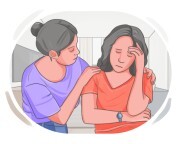
used to convey sorrow, sympathy, concern, or disappointment in response to a situation or outcome
وای خدای من, آه عزیزم
وای خدای من, از دست دادن یک حیوان خانگی هرگز آسان نیست. افکارم با توست.
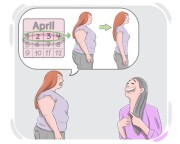
used to convey disappointment or the absence of good fortune or success in a particular situation
نشد, ما از این شانسها نداریم
امسال امیدوار بودم که افزایش حقوق بگیرم، اما رئیسم گفت: "بدشانسی, در این اقتصاد امکان ندارد."
used to convey sympathy or commiseration with someone who has experienced a setback, disappointment, or unfortunate circumstance
بدشانسی, ضربه سخت
بدشانسی، اما دفعه بعد قویتر بازمیگردیم.
used to convey sympathy or understanding in response to someone's difficult or unfortunate situation
بدشانسی, افسوس
بدشانسی! به تمرین ادامه دهید؛ بهتر خواهید شد.

used to console or comfort someone who is upset or distressed
بسه، بسه
آنجا، آنجا، دکتر گفت که چیز جدیای نیست. به زودی بهتر میشوی.
used to encourage someone to be patient or to calm down
بسه، بسه, آروم، آروم
حالا، حالا، گریه نکن. همه چیز درست میشه. خواهی دید!
used to express sympathy, compassion, or empathy towards someone who is experiencing difficulty, distress, or misfortune
بیچاره, فقیر
اوه، زانویت آسیب دید؟ بیچاره، بگذار به تمیز کردنش کمک کنم.

used to express disappointment, regret, or sympathy regarding an unfortunate event or situation
چه حیف, چقدر شرم آور
برنده نشدی؟ چه حیف، اینقدر سخت تمرین کردی.
