pattern

Medical Science - Types of Medicine

Here you will learn some English words related to the different types of medicine, such as "antidote", "emetic", and "painkiller".

Review

Flashcards

Forms

Spelling

Quiz

Start learning
Words Related to Medical Science
antidepressant

a drug that is used to treat people who feel extremely sad and anxious

Close
Sign in
antidote
antidote
[noun]

a substance that counteracts or controls the effects of a poison

Ex: The doctor administered the antidote to counteract the effects of the venomous snake bite. 
Close
Sign in
antiviral
antiviral
[Adjective]

inhibiting or destroying the growth and replication of viruses

Ex: She was prescribed an antiviral medication to treat her influenza infection. 
Close
Sign in
antiviral
antiviral
[noun]

a drug that fights viral infections

Ex: The doctor prescribed an antiviral to treat the patient's influenza infection. 
Close
Sign in
amphetamine

a stimulant used for ADHD and narcolepsy but is also associated with misuse and addiction
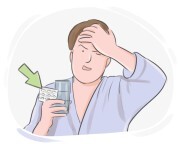
Ex: Amphetamine medications help some people with focus and attention challenges. 
Close
Sign in
analgesic
analgesic
[noun]

a pain-relieving medication

Ex: After the dental procedure, the patient took an analgesic to manage postoperative tooth pain. 
Close
Sign in
antacid
antacid
[noun]

a medication that reduces or neutralizes the acidity of the body, particularly the stomach

Ex: He took an antacid to ease his heartburn after dinner. 
Close
Sign in
anticoagulant

a substance or medication that inhibits the clotting of blood
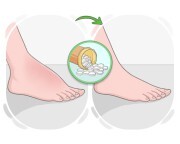
Ex: The cardiologist prescribed an anticoagulant to the patient with a history of atrial fibrillation to reduce the risk of blood clots. 
Close
Sign in
anti-inflammatory

the substances, medications, or treatments that reduce inflammation and alleviate symptoms associated with inflammatory conditions, such as pain and swelling

Ex: Doctors recommend anti-inflammatory drugs for pain after injuries. 
Close
Sign in
barbiturate

any organic compound derived from barbituric acid that is used as a sedative and greatly reduces the activity of the nervous system

Close
Sign in
beta blocker

a medication that reduces heart rate and blood pressure by blocking the effects of adrenaline

Ex: The doctor prescribed a beta blocker to manage the patient's high blood pressure. 
Close
Sign in
decongestant

a type of medicine used when someone has a cold and a blocked nose to help them breathe more easily

Ex: The pharmacist recommended taking a decongestant to relieve nasal congestion caused by allergies. 
Close
Sign in
depressant

a substance, such as a medication or alcohol, that slows down the central nervous system, causing relaxation and reduced function

Ex: After taking my prescribed depressant for anxiety, I noticed a calming effect. 
Close
Sign in
emetic
emetic
[noun]

a substance that causes vomiting and is used in cases of poisoning or overdose to remove harmful substances from the stomach

Ex: An emetic is a crucial tool in treating certain types of poisoning. 
Close
Sign in
expectorant

a medicine that helps clear mucus and phlegm, relieving coughs and congestion

Ex: When I had a cough, I used an expectorant to make it easier to breathe. 
Close
Sign in
fertility drug

a medication designed to enhance fertility by addressing hormonal imbalances or stimulating the ovaries to improve the chances of conception

Ex: The fertility drug aims to enhance the natural fertility process. 
Close
Sign in
herbal medicine

the medicinal products made from plants or plant extracts used for their therapeutic properties

Ex: My grandmother often brewed herbal medicine teas for common ailments. 
Close
Sign in
hypnotic
hypnotic
[noun]

a medication that induces sleep

Ex: The doctor prescribed a hypnotic to the patient experiencing chronic insomnia to improve sleep quality. 
Close
Sign in
magic bullet

a drug or treatment that effectively prevents or cures a specific disease or condition with minimal or no harmful side effects

Ex: Aspirin is often seen as a magic bullet, quickly easing common pain. 
Close
Sign in
multivitamin

a dietary supplement that contains a combination of essential vitamins and minerals, commonly taken orally in the form of tablets, capsules, or gummies

Ex: She started taking a multivitamin daily to ensure she was getting all the essential nutrients. 
Close
Sign in
opioid
opioid
[noun]

any drugs with the same effects as opium, medicinally used for reducing extreme pain

Close
Sign in
painkiller

a type of medicine that is used to reduce or relieve pain

Ex: She took a painkiller to help manage her headache after a long day at work. 
Close
Sign in
pastille
pastille
[noun]

a sweet that contains medicine or is flavored with fruit to treat sore throat

Close
Sign in
patent medicine

over-the-counter remedies sold without scientific validation for their effectiveness and safety

Ex: In the past, people relied on patent medicine for various health issues. 
Close
Sign in
pessary
pessary
[noun]

a device placed in the vagina to support pelvic organs or manage certain gynecological conditions

Ex: Some women use a pessary as a non-surgical option for pelvic support. 
Close
Sign in
prescription drug

a medication that needs a written order from a licensed healthcare provider to be bought because of its potential side effects and risks

Ex: Prescription drugs come with specific dosage instructions for safe use. 
Close
Sign in
prophylactic

a drug, vaccine, or treatment used to prevent infection or disease

Ex: The vaccine acts as a prophylactic against the virus. 
Close
Sign in
purgative
purgative
[noun]

a substance that promotes bowel movements to relieve constipation

Ex: The doctor recommended a purgative to relieve constipation. 
Close
Sign in
relaxant
relaxant
[noun]

a substance or medication that induces a state of relaxation by reducing tension, stress, or muscle activity
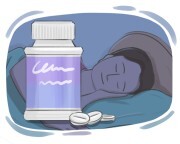
Ex: The doctor prescribed a muscle relaxant to ease tension in my back. 
Close
Sign in
sedative
sedative
[noun]

any drug that is used to make one feel calm or induce sleep

Close
Sign in
sleeping pill

a medication taken to induce sleep or relieve insomnia

Ex: After struggling with insomnia for weeks, she finally decided to consult her doctor about a sleeping pill. 
Close
Sign in
statin
statin
[noun]

a medication that lowers cholesterol levels to reduce the risk of cardiovascular diseases

Ex: Statins are often used to manage high cholesterol levels. 
Close
Sign in
suppository

a medication form inserted into the body, usually in the rectum or vagina, where it dissolves or melts to release the medication

Ex: Some fever-reducing medications come in suppository form. 
Close
Sign in
suppressant

a substance that controls or inhibits certain physiological processes, commonly used to alleviate symptoms like coughing or appetite

Ex: The pharmacist explained the proper use of the prescribed suppressant. 
Close
Sign in
booster
booster
[noun]

an additional dose of vaccine required periodically in order to increase, maintain, or renew the effects of a previous one

Close
Sign in
tincture
tincture
[noun]

(pharmacology) a liquid medicine made by soaking a plant or herb in alcohol to extract its healing properties
Ex: Tinctures are considered a traditional form of herbal medicine. 
Close
Sign in
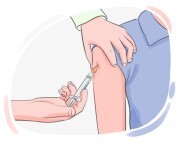
vaccine
vaccine
[noun]

a substance, often administered through needle injections, that stimulates the body's immune response against harmful diseases

Ex: The new vaccine was developed to protect against the flu virus. 
Close
Sign in
local anesthetic

a medication that numbs a specific part of the body to block pain during medical procedures
Ex: The doctor applied a local anesthetic to the skin before removing a mole. 
Close
Sign in
contraceptive

any device, drug, or method that is used to prevent pregnancy

Close
Sign in
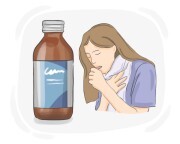
cough medicine

a‌ medicine, often in a form of liquid, that one takes to relieve coughing

Ex: He took cough medicine to soothe his throat. 
Close
Sign in
diazepam
diazepam
[noun]

a tranquilizing drug used to treat mild to moderate anxiety and tension

Close
Sign in
downer
downer
[noun]

a sedative or depressant drug, particularly a barbiturate

Close
Sign in
laxative
laxative
[noun]

a substance, usually a drug, used to stimulate evacuation of the bowels

Close
Sign in
liver salts

‌a substance one drinks that helps to treat or relieve indigestion

Close
Sign in
temazepam
temazepam
[noun]

a drug that is used to treat symptoms of anxiety and insomnia

Close
Sign in
tonic
tonic
[noun]

a drug that makes one feel stronger, healthier, or better, particularly used to treat exhaustion

Close
Sign in
pharmaceutic

a medicinal substance, particularly one prepared for use as a drug

Ex: Pharmaceutics play a crucial role in managing various health conditions. 
Close
Sign in
tranquilizer

a medication that induces a state of calmness and relaxation, often prescribed to alleviate anxiety or promote sleep

Ex: Taking a tranquillizer before bedtime can promote better sleep. 
Close
Sign in
LanGeek
Download LanGeek app