
Seznam Slovíček Úrovně C1 - Vojenský
Zde se naučíte některá anglická slova o vojenské tématice, jako "nasazení", "nájezd", "militant" apod., připravená pro studenty úrovně C1.
Revize
Kartičky
tvary
Pravopis
Kvíz


an extremely brutal act, especially in war

krutost, barbarství
Historická kniha podrobně popsala mnoho zvěrstev spáchaných během války, každý příběh byl srdcervoucnější než ten předchozí.
the highest-ranking officer in a fleet
admirál, nejvyšší důstojník ve flotile
Mladí kadeti pozorně poslouchali, když admirál sdílel své zkušenosti a postřehy z desetiletí na moři.
a high-ranking officer in the army, marine corps, or air force, whose rank is between a lieutenant colonel and brigadier general
plukovník, vyšší důstojník
Během obřadu pronesl plukovník upřímný projev, v němž ocenil statečnost a oběť svých vojáků.
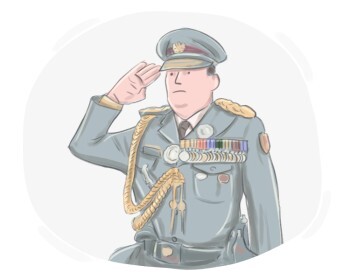
a high-ranking officer in the army, Air Force, or Marines
generál, vysoce postavený důstojník
Generál oslovil vojáky a s důvěrou a jasností nastínil strategii pro nadcházející kampaň.
a middle-ranking officer in the armed forces
major, velitel
Major koordinoval výcviková cvičení a zajistil, aby všichni vojáci byli dobře připraveni na nasazení.
a former member of the armed forces who has fought in a war
veterán, bývalý voják
Pravidelně navštěvovala nemocnici VA, aby dobrovolně věnovala svůj čas a podporovala potřebné veterány.
to murder a prominent figure in a sudden attack, usually for political purposes
zavraždit, zabít
Skupina rebelů spikla se, aby zavraždila vládnoucího monarchu.
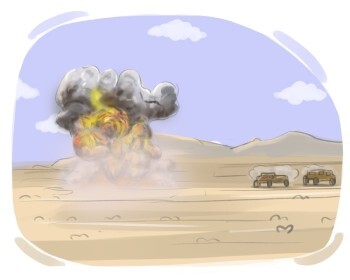
to violently damage or destroy something using explosives
vyhodit do povětří, odpálit
Stavební tým odstřelil podloží, aby položil základy mrakodrapu.
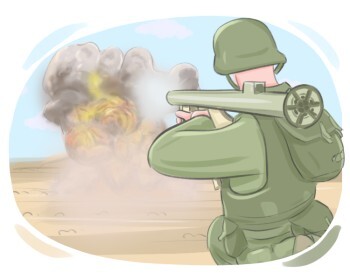
to cause something to explode
vyhodit do vzduchu, detonovat
Náhlý náraz vyhodil auto do vzduchu.
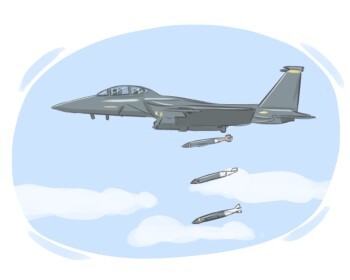
to drop bombs on someone or something continuously
bombardovat, ostřelovat
Při obléhání byly hradby hradu ostřelovány katapulty a trebuchety.
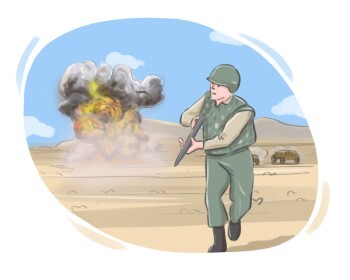
to attack violently and suddenly in a battle
zaútočit, vpadnout
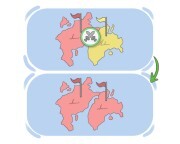
to gain control of a place or people using armed forces
dobýt, podmanit si
V průběhu dějin se mocné říše snažily dobýt nové země.
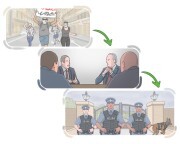
to position soldiers or equipment for military action
nasazovat, umístit
Po briefingu generál rozmístil své vojáky na různá strategická místa.
(of armed forces) to empty a dangerous place
evakuovat, opustit
Převýšeni počtem a přepadeni nepřátelskými silami neměla vojenská jednotka jinou možnost než evakuovat oblast.
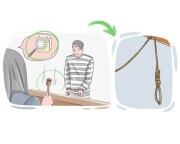
to kill someone, especially as a legal penalty
popravit, vykonat trest smrti
Mezinárodní organizace pro lidská práva často odsuzují vlády, které popravují jednotlivce bez spravedlivého soudu nebo řádného právního zastoupení.
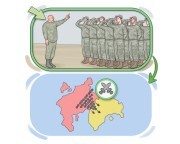
(of a state) to organize and prepare for a military operation
mobilizovat, organizovat
Vojenská cvičení byla provedena, aby byla zajištěna účinnost mobilizace sil v dobách krize.
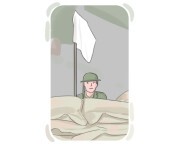
to give up resistance or stop fighting against an enemy or opponent
vzdát se, kapitulovat
Generál často kapituluje, aby se vyhnul zbytečnému konfliktu.
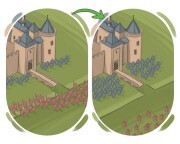
(of military) to move away in order to escape the danger because one has been defeated or is weak
ustoupit, stáhnout se
Tváří v tvář ohromné nepřátelské přesile se prapor rozhodl ustoupit z bojiště.
a person who participates in irregular fighting as a member of an unofficial military group
partyzán, povstalec
Dokument zkoumal motivace a výzvy, kterým čelí moderní partyzáni v konfliktních oblastech.
a military group consisting of civilians who have been trained as soldiers to help the army in emergencies
domobrana, národní garda
Místní domobrana rychle reagovala na požár, pomáhala evakuovat obyvatele a chránit domy před šířícím se plamenem.
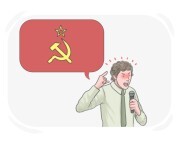
displaying violent acts for the sake of a social or political aim
militantní, bojovný
Byla známá svým militantním postojem k právům zvířat, často se účastnila protestů a přímých akcí.
relating to the armed forces that operate at seas or waters in general
námořní, vztahující se k moři
Námořní architekti navrhují lodě pro různé účely, od přepravy nákladu po vojenské operace.
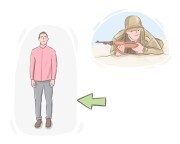
relating to a person who is not a member of the military or police force and does not hold an official position in the government
civilní, civilní
Sloužil jako civilní dobrovolník, pomáhal rozdělovat jídlo a zásoby potřebným.
designed or used in a way that provides a person or thing with protection against attack
obranný, defenzivní
Během turnaje v klání nosil přilbu a brnění jako součást své obranné výstroje.
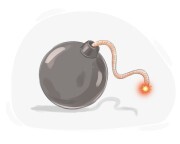
having the potential to cause sudden and violent release of energy or force
výbušný, explozivní
Výbušná síla výbuchu rozbila okna v blízkých budovách.
a nuclear weapon with great destruction power which is released due to the fission of heavy atoms
A-bomba, atomová bomba
Přeživší útoku atomovou bombou nadále prosazují mír a jaderné odzbrojení, aby předešli budoucím katastrofám.
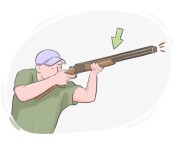
a long gun suitable for shooting a target over long distances, which is held along shoulder while aiming the target
puška, karabina
Muzeum vystavovalo historické pušky, které používali vojáci v různých obdobích války.
a group of naval vessels organized as a single fighting or operational unit
flotila, eskadra
Flotila manévrovala do formace před bitvou.
a surprise attack against a place or a group of people
nájezd, překvapivý útok
Historická rekonstrukce zahrnovala dramatické ztvárnění nájezdu Vikingů na pobřežní osadu.
an order or law that prohibits people from going outside after a specific time, particularly at night
zákaz vycházení, noční klid
Vojáci hlídkovali ve městě, aby vynutili zákaz vycházení, kontrolovali totožnost a ujišťovali se, že nikdo není venku po stanovené hodině.
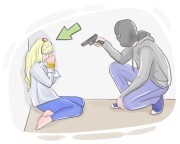
someone held prisoner by a person or group who will be set free if the demands of that person or group are met
rukojmí, vězeň
Po hodinách vyjednávání policie úspěšně osvobodila rukojmí a zadržela zločince.
the act of making someone suffer very much so that they do what one wants
mučení, utrpení
Mezinárodní organizace neúnavně pracují na potírání používání mučení a prosazují jeho zákaz po celém světě.
the act of invading and controlling a country, city, etc.
okupace
Okupační síly zřídily své velitelství v hlavním městě a používaly ho jako základnu k ovládání okolních regionů.
a long narrow hole dug in the ground in which soldiers move and are protected from enemy fire
zákop, příkop
Ze své pozice v zákopu mohly jednotky vidět nepřátelské opevnění jen několik set metrů daleko.
an agreement according to which enemies or opponents stop fighting each other for a specific period of time
příměří, zastavení palby
Ve snaze zabránit dalšímu krveprolití navrhli vyjednavači příměří a příměří, aby zahájili mírová jednání.
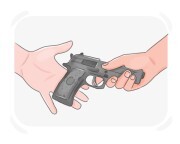
to provide individuals or groups with weapons, ensuring they have the necessary equipment for defense or offense
vyzbrojit
Vláda se rozhodla vyzbrojit armádu pokročilými zbraněmi pro národní obranu.
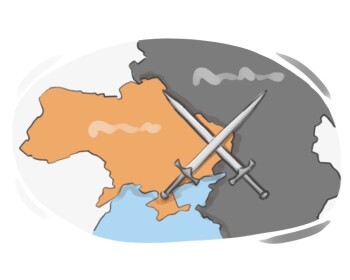
involvement in war, particularly using certain methods or weapons
válka, ozbrojený konflikt
Psychologická válka má za cíl demoralizovat nepřítele, využívá propagandu a dezinformace k oslabení jeho odhodlání.
a gun that automatically and rapidly fires a succession of bullets upon pressing the trigger
kulomet, automatická puška
Na vozidle namontovaný kulomet poskytl během průjezdu konvoje nepřátelským územím zásadní palebnou podporu.
the action of transferring people or being transferred to somewhere else to be safe from a dangerous situation
evakuace
Během povodně záchranáři použili čluny k pomoci při evakuaci obyvatel uvězněných ve svých domovech.
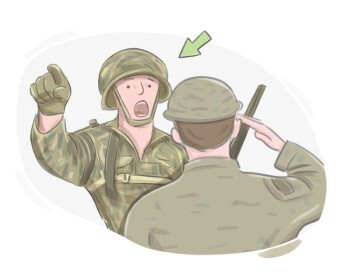
an order, particularly given by someone in a position of authority
příkaz, rozkaz
Policejní náčelník vydal přísný příkaz důstojníkům, aby během protestu udržovali pořádek.
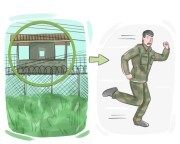
(of a soldier) having left one's military duty without being permitted to do so
svévolně vzdálený, na útěku od jednotky
Velitelé zuřili, když zjistili, že voják je na útěku od jednotky.
the exact location of a nuclear explosion
nultý bod, epicentrum
Dokument vyzpovídal svědky, kteří byli během ničivého zemětřesení blízko epicentra.
a member of an armed force who is specifically trained to fire large guns
dělostřelec, kanonýr
Dělostřelci v tankové jednotce tvrdě trénovali, aby si udrželi zdatnost v ovládání svých zbraňových systémů.
a tube-like weapon through which an arrow is shot if someone breathes in it forcefully
foukačka, vzduchovka
V některých oblastech byly foukačky historicky používány ve válkách jako tiché zbraně pro přepadení a překvapivé útoky.
an automatic gun that is not heavy and can be easily held and carried by hand
samopal, lehký kulomet
Intenzivně trénoval s samopalem, aby ovládl kontrolu zpětného rázu a techniky rychlého přebíjení.
to send a person to a particular place in order to carry out a duty, particularly a military person
umístit, vyslat
Velitel se rozhodl umístit další jednotky poblíž hranice pro zvýšenou bezpečnost.
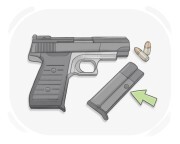
the part of a gun containing its bullets
zásobník, časopis
Lovec nesl náhradní zásobníky v batohu pro svou pušku během lovecké výpravy.
big heavy guns that are attached on top of moving wheels or tracks
dělostřelectvo
Muzeum vystavovalo různé typy historických dělostřeleckých kusů používaných v různých konfliktech v průběhu historie.
a nuclear weapon of a country that is very powerful and serves as a protection against other countries' attacks
jaderné odstrašení, jaderná zbraň odstrašení
Diplomatické úsilí se často zaměřuje na snížení napětí a posílení dohod o jaderném odstrašení mezi národy.
a poisonous chemical that is damaging to the nervous system and is used as a war weapon
nervový agent, neurotoxická látka
Mezinárodní společenství odsoudilo použití nervových látek proti civilnímu obyvatelstvu a vyzvalo k odpovědnosti a spravedlnosti.
a toxic chemical substance that interferes with the normal functioning of the nervous system
nervový plyn
Vědci vyvinuli protijedy a léčby, které působí proti účinkům vystavení nervovému plynu v případě nouze.
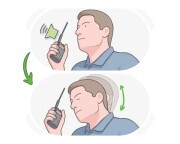
used as a confirmation message in radio communication to indicate that a message has been received and understood
Rozumím, směr sever k zachycení uprchlíka.
Roger, směr sever k zachycení uprchlíka.
a radio code used in two-way radio communication as an affirmative response or an indication of understanding
přijato, pochopeno
"Deset-čtyři, jsme v pohotovosti," odpověděl zdravotník, čímž potvrdil připravenost reagovat na jakékoli nouzové volání.
a situation where the military becomes in charge of a country, replacing regular laws with their own rule, in order to maintain order during times of crisis or disturbance
stanné právo, výjimečný stav
Válečné právo bylo po několika týdnech zrušeno, což umožnilo postupný návrat k civilní správě a normálu.
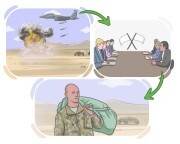
to make someone leave the armed forces or police and relieving them from their duties
propustit, demobilizovat
Po období vzorné služby byl seržant propuštěn s plnými poctami.
