
Seznam Slovíček Úrovně C1 - Geografie
Zde se naučíte některá anglická slova o geografii, jako jsou "rokle", "náhorní plošina", "úrodná" atd., připravená pro studenty úrovně C1.
Revize
Kartičky
Pravopis
Kvíz


the distance between an object or point and sea level

nadmořská výška
Meteorologové studují změny nadmořské výšky, aby porozuměli změnám atmosférického tlaku.
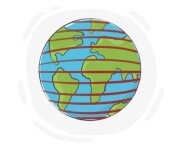
an imaginary horizontal circle around the Earth parallel to the equator, used to measure north-south position
zeměpisná šířka, rovnoběžka
Souřadnice zeměpisné šířky jsou spárovány se zeměpisnou délkou k určení polohy.

the distance of a point east or west of the meridian at Greenwich that is measured in degrees
zeměpisná délka, poledník
Časová pásma jsou určena na základě zeměpisné délky kolem zeměkoule.
a part of a shoreline that curves inward, larger than a cove but smaller than a gulf
záliv, zátoka
a smaller part of a river that is separated from the main and larger part
rameno, větev
a treeless area in a forest
mýtina, paseka
a small curved area of land that partly encloses a specific part of the sea
zátoka, malá zátoka
Útesy obklopující zátoku nabízely úchvatný výhled na západ slunce nad oceánem.
the round top of a volcano
kráter
Vulkanický kráter byl naplněn lávou, která v noci zářila oranžově.
a layer of matter that has been accumulated, particularly by a body of water
usazenina, ložisko
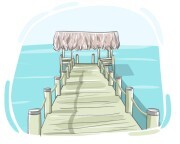
a structure extending from the shore over water where boats can stop to load or unload people or goods
přístavní molo
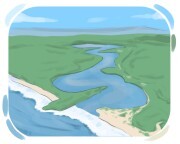
the part of a river that is wide and where it meets the sea
ústí, estuár
Environmentalisté pracují na ochraně ústí řek před znečištěním a ničením stanovišť.
the state of moving constantly and steadily
proudění, tok
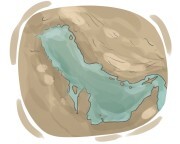
an area of sea that is partly surrounded by land, with a narrow opening
záliv, zátoka
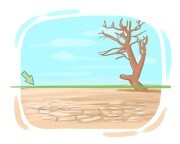
the apparent line in the distance where the sky seems to meet the land or sea
horizont, obzor
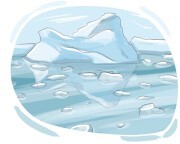
a very large floating piece of ice
ledovec, kra
Expediční tým opatrně navigoval svou loď kolem mohutného ledovce.
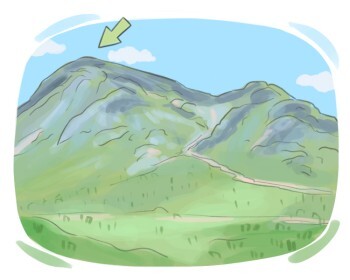
the pointed top of a mountain
vrchol, špička
a large body of land that is partially surrounded by water but is attached to a larger area of land
poloostrov, téměř ostrov
Arabský poloostrov je rozsáhlá pouštní oblast bohatá na ropu a kulturní historii, ohraničená několika vodními plochami, včetně Rudého moře a Perského zálivu.
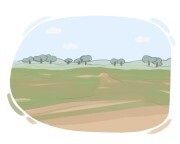
a vast area of flat land
pláň, rovina
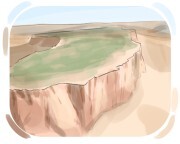
an area of land that is flat and higher than the land surrounding it
náhorní plošina, plató
Qinghajsko-tibetská plošina, často nazývaná "Střecha světa", je nejvyšší a největší plošina na světě.
either of the two points at the northern and southern ends of Earth's axis of rotation
pól
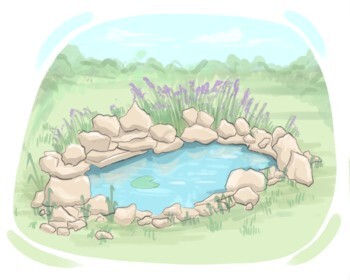
a small area of still water, smaller than a lake and often artificially made
rybník, jezírko
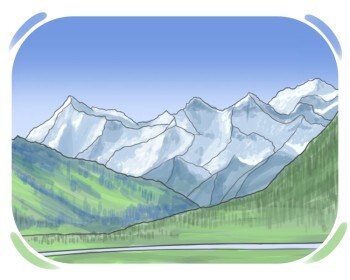
a line of mountains or hills
horský hřeben, pohoří
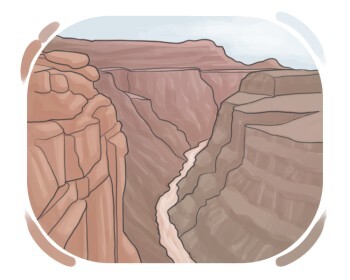
a deep narrow valley with steep sides, usually worn by a stream
rokle, údolí
Geologové studují vznik roklí, aby pochopili, jak voda po tisíciletí utváří zemský povrch.
a lake, either natural or artificial, from which water is supplied to houses
nádrž, přehrada
the highest point or top of a mountain or hill
vrchol, špička
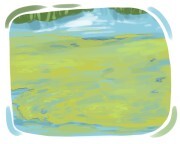
an area of land that is covered with water or is always very wet
bažina, močál
Místní folklór často vypráví příběhy o tajemných bytostech číhajících v hlubinách bažiny, což přidává na její přitažlivosti a tajemnosti.
the expansive flat Arctic regions, of North America, Asia, and Europe, in which no trees grow and the soil is always frozen
tundra, tundrová oblast
Klimatické změny představují hrozbu pro oblasti tundry po celém světě, ovlivňují stanoviště volně žijících živočichů a přispívají k tání permafrostu.

(of natural forces such as wind, water, or other environmental factors) to gradually wear away or diminish the surface of a material
erodovat, opotřebovat
Postupem času kyselé deště narušily starověké kamenné sochy a postupně setřely jejich rysy.
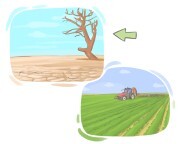
(of land or a climate) very dry because of not having enough or any rain
vyprahlý, suchý
Aridní oblasti jsou náchylné k desertifikaci, procesu, při kterém úrodná půda stále více vysychá a není schopna podporovat vegetaci kvůli lidským činnostem nebo změně klimatu.
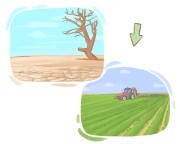
(of land or soil) not capable of producing any plants
neplodný, vyprahlý
Projekty obnovy životního prostředí mají za cíl rehabilitovat neúrodné oblasti opětovným zavedením původních rostlin a zlepšením úrodnosti půdy.
related to or situated along the coast, the area where land meets the sea
pobřežní, přímořský
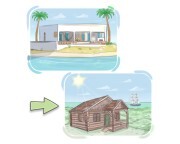
situated or occurring in the sea, typically away from the shore or coast
na moři, mimo pobřeží
