
Гуманитарные Науки SAT - Литература и Культура
Здесь вы выучите некоторые английские слова, связанные с литературой и культурой, такие как "отрывок", "строфа", "мелодраматический" и т.д., которые вам понадобятся для успешной сдачи SAT.
Обзор
Флэш-карточки
Правописание
Тест

spoken or written language in its usual form, in contrast to poetry

проза
Её стиль письма характеризуется ясной и лаконичной прозой, что делает её романы доступными для широкой аудитории.
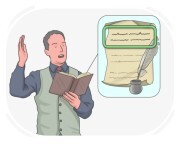
a series of lines in a poem, usually with recurring rhyme scheme and meter
строфа
Стихотворение было структурировано с четырьмя строфами, каждая из которых следовала разной теме.
a verse of Italian origin that has 14 lines, usually in an iambic pentameter and a prescribed rhyme scheme
сонет
Он изо всех сил пытался вписать свои мысли в строгий формат сонета.
a tale that is narrated in the form of a song or poem
баллада
Трубадуры средневековой Европы путешествовали из города в город, исполняя баллады о любви и рыцарстве.
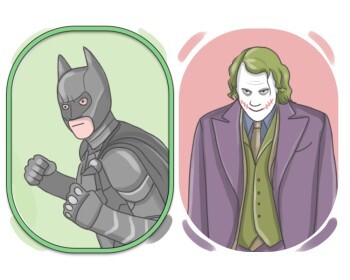
the main character in a movie, novel, TV show, etc.
главный герой
Главный герой романа — молодой сирота, который отправляется в путешествие самопознания и приключений.
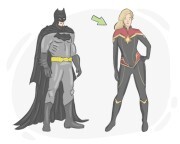
the main female character in a story, book, film, etc., typically known for great qualities
героиня
Она восхищалась смелостью героини в романе.
a specific story, artwork, or performance that embodies symbolic representation of deeper truths
иносказание
Путешествие Пилигрима — это классическая аллегория, изображающая путешествие души к спасению.
the use of words and expressions that are not meant to be taken literally, but rather to create a vivid, imaginative image or effect in the reader's mind
образный язык, фигуративный язык
a literary and rhetorical device that involves repeating words or phrases in successive clauses or sentences, but in reverse order
антиметабола, хиазм
a literary device where human qualities or characteristics are attributed to non-human entities, objects, or ideas
персонификация
Олицетворение ветра в стихотворении делало его живым и беспокойным.
a statement that implies or indirectly mentions something or someone else, especially as a literary device
аллюзия
Её комментарий о "встрече с её Ватерлоо" был намёком на окончательное поражение Наполеона, подразумевая, что она столкнулась с непреодолимым вызовом.
a clever or amusing use of words that takes advantage of the multiple meanings or interpretations that it has
каламбур
Она сделала умную игру слов во время встречи, которая заставила всех смеяться.
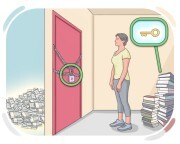
a figure of speech that compares two unrelated things to highlight their similarities and convey a deeper meaning
метафора
Он использовал метафору путешествия, чтобы описать процесс личностного роста.
a word or phrase that compares two things or people, highlighting the similarities, often introduced by 'like' or 'as'
сравнение
Поэт использовал сравнение, чтобы сравнить облака с сахарной ватой, рисуя яркую картину их пушистого, эфирного вида.
a form of humor in which the words that someone says mean the opposite, producing an emphatic effect
ирония
Его ирония была настолько острой, что некоторые люди не понимали, что он их высмеивает.
the quality or character of speech, writing, or behavior that reflects the speaker's or writer's attitude
тон
Тон эссе был формальным и авторитетным.
a recognized collection of authoritative books, texts, or works within a particular field or tradition, especially in religion
канон
Пьесы Шекспира считаются частью литературного канона в английской литературе.
a written account of a person's own life experiences or a particular period in their life
мемуары, автобиография

the story of the life of a person, written by the same person
автобиография
Он написал автобиографию, чтобы поделиться историей своей жизни с миром.
a book that combines illustrations and storytelling to convey a narrative, often in a sequential art format
графический роман
Она читает графический роман, исследующий антиутопические темы.
a cheap paperback novel often featuring an adventure or melodramatic story
бульварный роман

the events that have happened to a character before their story in a book, movie, etc. begins
предыстория
a collection of selected writings by various authors, often on a similar theme or subject
антология, сборник
Университетская библиотека гордится обширной антологией классической литературы.
an author whose work is published under someone else's name
писатель-призрак
Знаменитость наняла литературного негра, чтобы написать свои мемуары.
a written document, book, or musical composition created by hand rather than being produced using a typewriter or printing press
рукопись, рукописный документ
Оригинальная рукопись композитора симфонии хранится в музее.
a roll of parchment, paper, or other material containing writing or images, often used for historical or religious texts
свиток, пергамент
an absurd or comically exaggerated replication of a literary or dramatic work
Пародия
intending to mock, ridicule, or criticize a person, group, or society in a humorous or exaggerated way
сатирический
Роман представляет собой сатирическую критику современного общества.
exaggerated or overly emotional in a theatrical or sensational way
мелодраматичный, театральный
Реакция Сары на небольшую неприятность была мелодраматичной, с слезами и восклицаниями.
to select and extract a passage, segment, or portion from a larger text, usually for reference or quotation
извлекать, выбирать
Автор выбрала убедительный отрывок из своего последнего романа в рекламных целях.
to turn real events or situations into a tale or story, often by changing or adding to the details
беллетризировать
Автор выдумал свои детские переживания в своем бестселлере.
a specific graphical representation or shape of a character or symbol within a writing system
глиф, графический символ
(grammar) a phrase or word used suddenly to express a particular emotion
междометие
Учитель объяснил концепцию междометия на уроке грамматики.
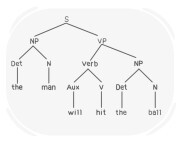
(linguistics) the way in which words and phrases are arranged to form grammatical sentences in a language
синтаксис
В лингвистике синтаксис относится к правилам, которые управляют структурой предложений, определяя, как слова расположены для передачи смысла.

the spoken form of a language specific to a certain region or people which is slightly different from the standard form in words and grammar
диалект
Диалект — это разновидность языка, на котором говорит определенная группа людей, характеризующаяся уникальным словарным запасом, грамматикой и произношением.
(phonetics) the rising and falling of the voice when speaking
интонация
В фонетике интонация относится к модели повышения и понижения высоты тона в речи, которая передает значение, эмоции и акцент.
a word formed from the initial letters of a phrase, pronounced as a single word
инициальное сокращение
НАСА - это акроним для Национального управления по аэронавтике и исследованию космического пространства.
a type of abbreviation where the first letter of each word in a phrase or name is used to form a pronounceable acronym-like string of letters
аббревиатура, акроним
the study of the origins and historical developments of words and their meanings
этимология
Лингвисты прослеживают этимологию слова "словарь" до латинского "vocabulum", что означает слово.
an expert in the study of language, examining its structure, development, and cultural aspects
лингвист
Лингвист провел исследование синтаксиса и грамматики исчезающего indigenous языка.
a collection of ancient myths, particularly one that belongs to a group of people and their history, etc.
мифология
Греческая мифология включает в себя истории о богах, богинях и героях, таких как Зевс, Афина и Геракл.
a legendary reptile, often depicted as having a deadly gaze or venomous breath
василиск, легендарная рептилия
Василиск боялись в древних преданиях за его смертоносный взгляд.
the traditional beliefs, customs, stories, and legends of a particular community, usually passed down through generations by word of mouth
фольклор
Фольклор охватывает широкий спектр культурных выражений, включая мифы, легенды, сказки, народные песни и народные танцы.

a way of behaving or of doing something that is widely accepted in a society or among a specific group of people
обычай
Обычай — это традиция в Японии снимать обувь перед входом в дом.
collective knowledge, traditions, beliefs, and stories passed down within a culture or community, typically through storytelling
знание, традиция
Она изучала предания средневековых рыцарей и рыцарства для своего исследовательского проекта.
a song or poem expressing sadness, especially in the memory of a dead person or a bitter event in the past
элегия
Поэт сочинил элегию, чтобы оплакивать уход любимого друга, передавая горе и тоску, ощущаемые оставшимися.
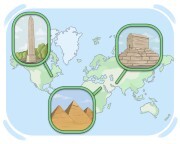
the customs, traditions, rituals, and behaviors that are inherited and preserved within a community or society over time
наследие, культурное наследие
Фестиваль празднует наше культурное наследие с традиционными танцами и музыкой.
a group within a larger culture that shares distinctive values, norms, and behaviors, often differing from those of the dominant culture
субкультура, подкультура
Готическая субкультура, характеризующаяся темной модой и музыкальными предпочтениями, часто собирается в альтернативных клубах и на мероприятиях.
a renewed period of growth, popularity, or significance, particularly in cultural, artistic, or economic contexts
возрождение, обновление
Виниловые пластинки переживают возрождение среди любителей музыки, которые ценят их тёплое звучание.
(of traditions, practices, or customs) respected and followed for a long time because of their enduring value or significance
почтенный, традиционный
Проверенная временем церемония отмечается в нашей семье на протяжении поколений.
