
Body - The Musculoskeletal System
Here you will learn some English words related to the musculoskeletal system, such as "ligament", "hamstring", and "coccyx".
Review
Flashcards
Spelling
Quiz
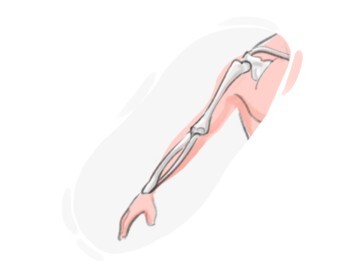
any of the hard pieces making up the skeleton in humans and some animals
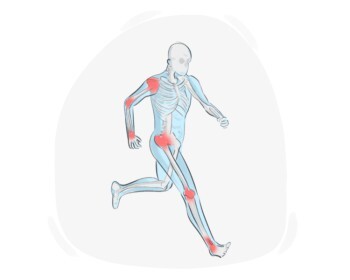
a place in the body where two bones meet, enabling one of them to bend or move around
an elastic tissue that supports or connects joints in an infant and turns into skeleton during growth

(anatomy) a strong band of tissue which connects two bones or cartilages or keeps organs in place
a fluid-filled sac that reduces friction between tissues such as bones, tendons, and muscles
the central part of the skeleton that includes the skull, vertebral column, and ribcage
a single muscle that is located along the central axis of the body, including the head, neck, and trunk
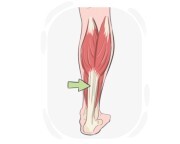
a tendon in the leg that attaches the muscles of the calf to the bone of the heel
(anatomy) an elastic cord or band that connects a muscle to a bone
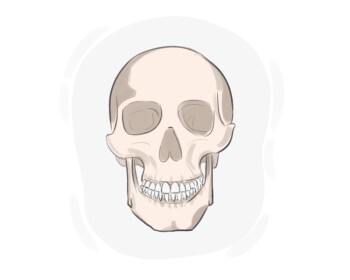
the bony structure that surrounds and provides protection for a person's or animal's brain
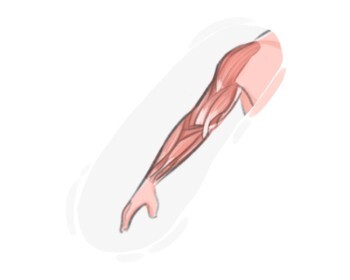
a piece of body tissue that is made tight or relaxed when we want to move a particular part of our body
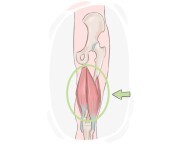
(anatomy) a muscle that moves a part of the body away from its normal position by contraction
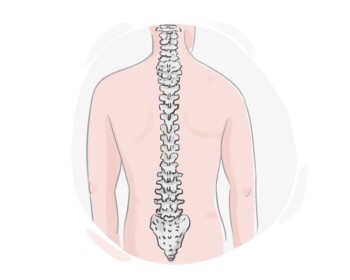
a line of connected bones going down from your neck to tail bone in the middle of the back
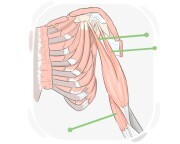
the large muscle at the front of the upper part of the arm, which flexes the forearm
a long flat bone at the center of the chest that connects the ribs and the shoulder girdle
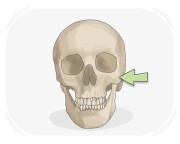
the bone that is just below the eye
(anatomy) the structure that encloses the inner surface of the eye which consists of the muscle which makes the eye move
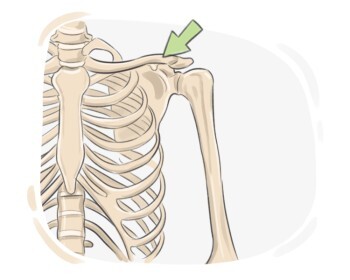
the long, curved bone that connects the shoulder blade to the sternum
either of the pair of bones that go across the top of the chest from the base of the neck to the shoulders
(anatomy) the bone structure that surrounds and protects the brain
(anatomy) a large muscle, triangular in shape that covers the shoulder joint and helps the arm to abduct and rotate
a muscle that helps a body part or limb be stretched out by contraction
(anatomy) the longest bone in the top part of the human leg between the hip and the knee
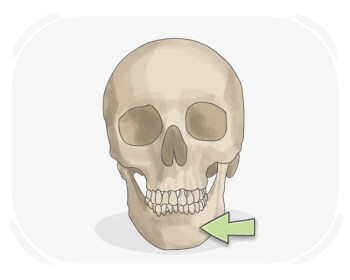
either of the bones that form the jaw, particularly the lower jaw
(anatomy) (zoology) either half of the jawbone, especially the lower jawbone that helps a vertebrate open and close its mouth
(biology) the overall arrangement or the system of muscles in a human or an animal's body
(anatomy) the trapezoidal bone that is at the base and lower back of the cranium, though which the spinal cord passes
the singular bone located at the front of the skull, forming the forehead and upper eye sockets for structural support and protection
a cranial bone that forms the sides and roof of the skull, offering protection for the brain
a butterfly-shaped bone, contributing to its structure and housing important structures
a cranial bone located on the sides and base of the skull, housing the ear structures and contributing to jaw movement
a facial bone that forms the prominence of the cheek and connects various other facial bones
a facial bone that contributes to the structure of the cheek and forms part of the eye socket
(anatomy) a small bone triangular in shape that covers and protects the front part of the knee joint
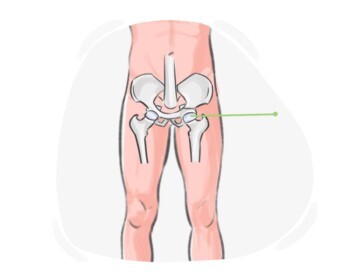
(anatomy) the large round bone structure that the limbs and the spine are joined to, which also protects the abdominal organs
(anatomy) any of the four large muscles at the front of the thigh that allow the knee joint to stretch
the outer and slightly shorter of the two bones of the human forearm
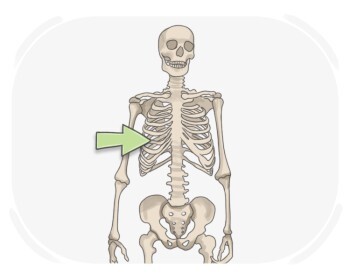
each of the curved bones surrounding the chest to protect the organs inside
(anatomy) the bony structure in the chest formed by the ribs which protects organs in the thoracic cavity
(anatomy) a large bone at the lower part of the spinal column between the two hip bones of the pelvis
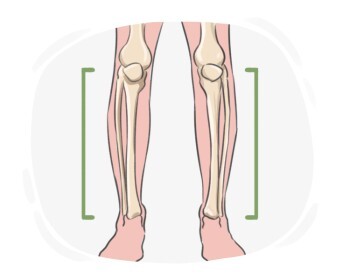
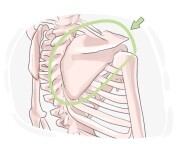
(anatomy) each of the pair of triangular bones that connect the humerus to the clavicle
each of the pair of triangular bones that connect the upper arm bone with the collar bone
an elastic cord or band that connects a muscle to a bone

the structure of bones supporting the body of an animal or a person
the row of small bones that are joined together down the center of the back of the body
(anatomy) a ring of muscle that can open or close an opening, such as anus, in the body
(anatomy) a long flat bone at the center of the chest that connects the ribs to the shoulder girdle
the small triangular bone at the end of the spinal column in humans or tailless primates
(anatomy) any of the cluster of seven small bones in the foot between the ankle and upper foot
(anatomy) the three-headed muscle of the arm that functions as the extensor of the elbow joint
(anatomy) the thinner and longer bone of the human forearm extending from the elbow to the wrist
(anatomy) any of the bony segments and cartilages of the spinal column
