
Body - The Digestive System
Here you will learn some English words related to the digestive system, such as "gut", "rectum", and "colon".
Review
Flashcards
Spelling
Quiz
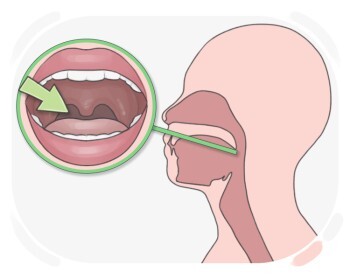
a passage in the neck through which food and air pass
(anatomy) the passage in the throat that connects the mouth to the gullet
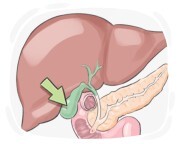
a bitter fluid produced by the liver that helps the body digest and absorb fats
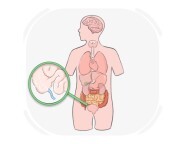
a small, narrow tube attached to the beginning of the large intestine

a long, tubular organ in the digestive system responsible for nutrient absorption from food
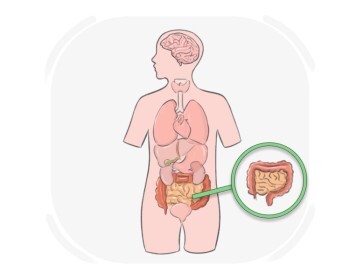
a long, continuous tube in the body through which the food coming from the stomach moves and is passed
a muscular tube that connects the throat to the stomach, allowing for the passage of food and liquids during digestion
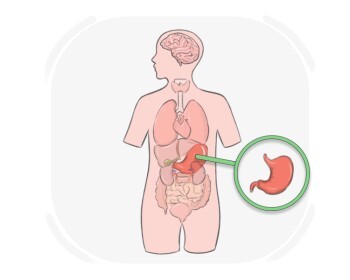
the body part inside our body where the food that we eat goes
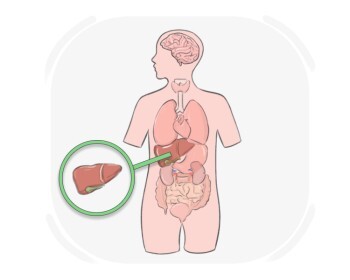
a large organ in the abdomen that performs many metabolic functions, including processing nutrients, producing bile, and removing harmful substances from the blood
the tube that carries bile from the liver or the gall bladder to the first segment of the small intestine, also known as duodenum
a narrow tubular passage in the body through which air, food, liquid, or other substances can pass
(anatomy) the main part of the large intestine, between the caecum to the rectum, where water is removed from solid waste
the lower part of digestive tract responsible for food absorption
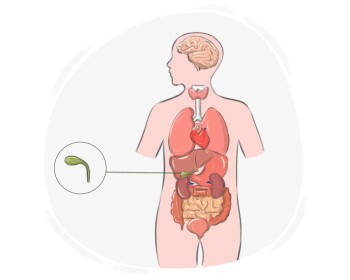
a small, pear-shaped organ located beneath the liver in which the body stores a strong digestive fluid produced by the liver
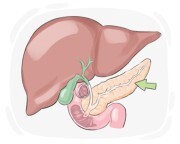
a large gland in the body that produces insulin and glucagon and substances that help the body digest food
the final part of the large intestine where waste is collected before being passed through the anus
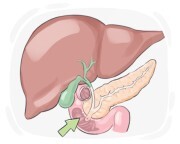
the initial segment of the small intestine that receives partially digested food from the stomach for further digestion
the segment of the colon that travels vertically along the right side of the abdominal cavity
the segment of the large intestine that travels downward on the left side of the abdomen
the section of the large intestine that extends horizontally across the abdomen, connecting the ascending and descending colons
the curved segment of the large intestine that links the descending colon to the rectum, forming an "S" shape in the human body
a sharp bend in the colon located in the upper-right quadrant of the abdomen where the ascending colon meets the transverse colon
a sharp bend in the colon located in the upper-left quadrant of the abdomen where the transverse colon meets the descending colon
the final segment of the small intestine that connects to the large intestine in the human body
a duct that carries digestive enzymes from the pancreas to the small intestine for the breakdown and absorption of food
a duct that transports bile from the liver and gallbladder to the small intestine for digestion and absorption of fats
the terminal portion of the large intestine that extends from the rectum to the anus and is responsible for the passage of fecal matter during defecation
the tube-like structure in the human body through which food passes, extending from the mouth to the anus
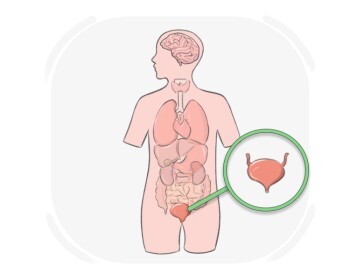
a sac-like organ inside the body where urine is stored before being passed
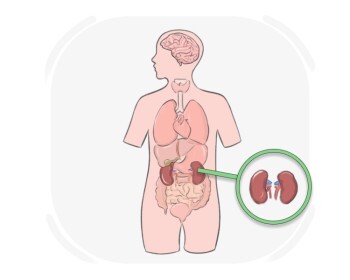
each of the two bean-shaped organs in the lower back of the body that separate wastes from the blood and make urine
(anatomy) the tube in most mammals that carries urine out of the body, which also carries sperm in males
a narrow tube that transports urine from the kidneys to the urinary bladder in the human body
the central collecting region of the kidney where urine from the renal calyces is gathered before it travels to the ureter
the outermost layer of the kidney that houses the functional units responsible for urine production and filtration
the inner part of the kidney that produces urine and regulates water and electrolyte balance
an enzyme produced in the stomach that helps in the digestion of proteins by breaking them down into smaller peptides

