pattern

Cambridge IELTS 16 - Academic - Test 3 - Reading - Passage 3

Here you can find the vocabulary from Test 3 - Reading - Passage 3 in the Cambridge IELTS 16 - Academic coursebook, to help you prepare for your IELTS exam.

Review

Flashcards

Forms

Spelling

Quiz

Start learning
Cambridge IELTS 16 - Academic
thermometer

a tool designed to measure the temperature of the surrounding air or environment

Ex: The meteorologist placed the thermometer in the shaded shelter to get an accurate air temperature reading. 
Close
Sign in
to trigger

to cause something to happen

Ex: The economic downturn triggered a series of layoffs within the company. 
Close
Sign in
to breed
to breed
[Verb]

to develop a particular kind of animal or plant by choosing and mating specific ones to get certain qualities

Ex: They are breeding a new type of apple that grows faster. 
Close
Sign in
resilient
resilient
[Adjective]

able to recover quickly from difficult situations
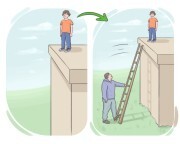
Ex: The resilient athlete quickly recovered from a minor injury and returned to the competition. 
Close
Sign in
to enable
to enable
[Verb]

to give someone or something the means or ability to do something

Ex: Technology enables us to communicate instantly across the globe. 
Close
Sign in
to reveal
to reveal
[Verb]

to make information that was previously unknown or kept in secrecy publicly known
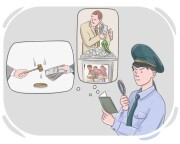
Ex: In her memoir, the author courageously revealed her struggles with mental illness. 
Close
Sign in
to detect
to detect
[Verb]

to notice or discover something that is difficult to find

Ex: The security system is designed to detect unauthorized access to the building. 
Close
Sign in
function
function
[noun]

the purpose or intended use of something

Ex: The function of the lever is to lift heavy objects. 
Close
Sign in
cellular
cellular
[Adjective]

relating to or consisting of cells, the basic structural units of living organisms or systems

Ex: The human body is made up of trillions of cellular units, each performing specific functions. 
Close
Sign in
gauge
gauge
[noun]

a measuring instrument or device used to determine the size, capacity, amount, or extent of something

Ex: The pressure gauge on the boiler indicates the level of steam inside. 
Close
Sign in
finding
finding
[noun]

a piece of information discovered as a result of a research

Ex: The scientist's finding revealed a new way to treat the disease. 
Close
Sign in
genetic
genetic
[Adjective]

connected to the parts of the DNA in cells, called genes, that determine hereditary traits
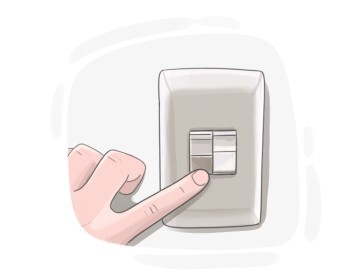
Ex: Genetic testing can provide insights into an individual's risk of developing certain diseases. 
Close
Sign in
switch
switch
[noun]

something such as a button or key that turns a machine, lamp, etc. on or off

Ex: She pressed the switch to turn on the light in the room. 
Close
Sign in
in response to
in response to
[preposition]

as a reaction or answer to something

Ex: In response to customer feedback, the company is launching a new and improved product. 
Close
Sign in
to dictate

to control or decide how something should happen or be done

Ex: This situation will dictate how people react. 
Close
Sign in
pace
pace
[noun]

the rate or speed at which something progresses or changes

Ex: The pace of technological innovation has accelerated rapidly over the past decade. 
Close
Sign in
proportional
proportional
[Adjective]

having a consistent or balanced relationship in size, amount, or degree relative to something else

Ex: The amount of paint used is proportional to the size of the canvas. 
Close
Sign in
mercury
mercury
[noun]

a dense, silvery, toxic metal that is liquid at room temperature and can form different chemical compounds

Ex: Mercury is used in some thermometers and barometers. 
Close
Sign in
to stimulate

to encourage or provoke a response, reaction, or activity

Ex: The interactive workshop was designed to stimulate creative thinking and problem-solving skills. 
Close
Sign in
responsive
responsive
[Adjective]

reacting to people and events quickly and in a positive way

Ex: The customer service representative was responsive to the client's needs, addressing their concerns promptly. 
Close
Sign in
to bud
to bud
[Verb]

(of a plant) to develop small, immature growths that will eventually become leaves, flowers, or shoots

Ex: In spring, trees bud with fresh leaves, signaling the arrival of warmer weather. 
Close
Sign in
harvest
harvest
[noun]

the season or period during which crops are collected from the fields

Ex: The harvest season in this region lasts from August to October. 
Close
Sign in
to pinpoint

to precisely locate or identify something or someone
Ex: Using advanced technology, scientists were able to pinpoint the epicenter of the earthquake within a matter of seconds. 
Close
Sign in
to long
to long
[Verb]

to strongly want something, especially when it is not likely to happen soon

Ex: She longs for a chance to travel to exotic places. 
Close
Sign in
tough
tough
[Adjective]

strong enough to withstand adverse conditions or rough handling

Ex: The tough fabric of the jacket made it substantial enough to endure harsh weather conditions. 
Close
Sign in
threat
threat
[noun]

something that poses danger or the possibility of harm

Ex: Pollution is a major threat to marine life. 
Close
Sign in
thermal
thermal
[Adjective]

related to heat or temperature, including how heat moves, how materials expand with temperature changes, and the energy stored in heat

Ex: As the temperature increased, the metal expanded due to thermal expansion. 
Close
Sign in
lead
lead
[noun]

a role or position of guiding or influencing others by taking initiative or setting an example for others to follow

Ex: She took the lead in organizing the charity event. 
Close
Sign in
to accelerate

to rise in amount, rate, etc.

Ex: As technological advancements continue, the demand for skilled programmers is expected to accelerate. 
Close
Sign in
field
field
[noun]

a location away from an office, laboratory, or studio where practical work or data collection occurs

Ex: Biologists conducted experiments in the forest field. 
Close
Sign in
to bind
to bind
[Verb]

to form a bond between atoms or molecules through the sharing or transfer of electrons
Ex: In a water molecule, hydrogen atoms bind to oxygen through covalent bonds. 
Close
Sign in
to activate

to make something such as a process, piece of equipment, etc. start working

Ex: He activated the alarm system before leaving the house. 
Close
Sign in
to drive
to drive
[Verb]

to be the influencing factor that causes something to make progress

Ex: Healthcare reforms are expected to drive improvements in patient care. 
Close
Sign in
deactivation

the act of deactivating or making ineffective (as a bomb)

Close
Sign in
reversion
reversion
[noun]

a reappearance of an earlier characteristic

Close
Sign in
rate
rate
[noun]

the relative speed or pace of progress, growth, or decline
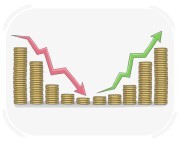
Ex: The rate of technological change is accelerating. 
Close
Sign in
to revert
to revert
[Verb]

to go back to a previous state, condition, or behavior

Ex: After the updates caused issues, they decided to revert to the previous version of the software. 
Close
Sign in
to suppress

to prevent something from growing or developing

Ex: The government tried to suppress the spread of the virus. 
Close
Sign in
to detach
to detach
[Verb]

to become separated or disconnected from something else

Ex: The Velcro on the jacket detached easily, causing the patch to fall off. 
Close
Sign in
to express

to show the effects of a gene in an organism's phenotype
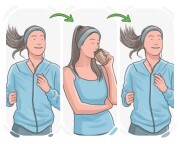
Ex: The dominant allele for curly hair is expressed in individuals who inherit it from one or both parents. 
Close
Sign in
to resume
to resume
[Verb]

to continue again after an interruption

Ex: After the lunch break, they resumed the meeting. 
Close
Sign in
to evolve
to evolve
[Verb]

(biology) to change gradually and over generations into forms that are better adapted to the environment and fitter to survive

Ex: Over millions of years, horses have evolved from small, multi-toed ancestors to the single-toed, large-bodied animals we see today. 
Close
Sign in
to co-opt
to co-opt
[Verb]

to take something for one's own use, often without permission

Ex: The designer co-opted traditional patterns in her modern collection. 
Close
Sign in
downtime
downtime
[noun]

the time in which a machine, like a computer, is not operational

Ex: The computer experienced downtime due to a software update. 
Close
Sign in
indicator
indicator
[noun]

something that is used to measure a particular condition or value

Ex: The unemployment rate is a key indicator of economic health. 
Close
Sign in
considerable
considerable
[Adjective]

large in quantity, extent, or degree

Ex: The project required a considerable amount of funding to cover all expenses and ensure its success. 
Close
Sign in
to flower
to flower
[Verb]

(of a plant) to produce or display blossoms or blooms
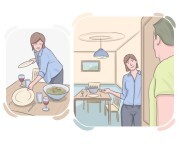
Ex: The rose bush flowered abundantly in the summer, filling the garden with fragrance. 
Close
Sign in
in advance
in advance
[Adverb]

prior to a particular time or event

Ex: Please let us know in advance if you plan to attend the meeting. 
Close
Sign in
dual
dual
[Adjective]

having or consisting of two aspects, parts, functions, etc.

Ex: The job requires a dual skill set, combining both technical expertise and creative thinking. 
Close
Sign in
rhyme
rhyme
[noun]

a short piece of poem

Ex: The children recited a cute rhyme about a cat and a hat. 
Close
Sign in
splash
splash
[noun]

the act of splashing a (liquid) substance on a surface

Close
Sign in
soak
soak
[noun]

the act of washing or cleaning something by immersing it in liquid

Ex: The laundry required a long soak before scrubbing. 
Close
Sign in
to dictate

to control or decide how something should happen or be done

Ex: This situation will dictate how people react. 
Close
Sign in
consequently
consequently
[Adverb]

used to indicate a logical result or effect

Ex: The team neglected to conduct thorough testing, and consequently, several critical errors emerged in the final product. 
Close
Sign in
to leaf
to leaf
[Verb]

(of a plant) to produce new leaves

Ex: The trees began to leaf early this year. 
Close
Sign in
culmination

the highest or most advanced point reached after a period of development or effort
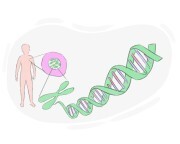
Ex: The grand ceremony was the culmination of months of hard work and preparation. 
Close
Sign in
genetics
genetics
[noun]

the branch of biology that deals with how individual features and different characteristics are passed through genes

Ex: Understanding genetics helps scientists explore how diseases are passed through families. 
Close
Sign in
to identify

to find or discover something by searching for its features, characteristics, or details
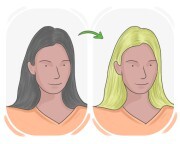
Ex: She identified the problem after carefully checking the machine. 
Close
Sign in
to alter
to alter
[Verb]

to cause something to change

Ex: New technologies can greatly alter the way we live and communicate. 
Close
Sign in
precise
precise
[Adjective]

in accordance with truth

Ex: His precise recollection of the events helped investigators solve the case quickly. 
Close
Sign in
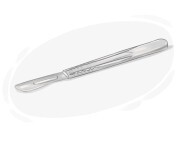
scalpel
scalpel
[noun]

a small thin-bladed surgical knife particularly used in surgery

Close
Sign in
uniquely
uniquely
[Adverb]

in a way not like anything else

Ex: The artist expressed herself uniquely through a combination of vibrant colors and unconventional materials. 
Close
Sign in
collaborator

someone who works with another person in order to create or produce something such as a book
Close
Sign in
applied
applied
[Adjective]

concerned with concrete problems or data rather than with fundamental principles

Close
Sign in
support
support
[noun]

documentary validation

Close
Sign in
to base on

to develop something using certain facts, ideas, situations, etc.

Ex: The report is based on extensive research in the field. 
Close
Sign in
positioned
positioned
[Adjective]

having a quality, place, or condition that gives an advantage or makes something suitable for a purpose

Ex: The company is well positioned to lead the market. 
Close
Sign in
phytochrome

a special protein in plants that can sense light and help control how the plant grows, develops, and responds to changes in light and temperature

Ex: Phytochrome helps plants know when to start growing. 
Close
Sign in
photoreceptor

a part of a living thing, such as a cell or protein, that senses light and helps the body or plant respond to it

Ex: The eye has photoreceptors that detect light and color. 
Close
Sign in
LanGeek
Download LanGeek app