
Listă de Cuvinte Nivel B2 - Monarhie
Aici veți învăța câteva cuvinte în engleză despre monarhie, cum ar fi "dinastie", "imperiu", "castel" etc., pregătite pentru elevii de nivel B2.
Revizuire
Fișe de studiu
Ortografie
Chestionar

to be the neighboring country or region next to another, sharing a line

Regiunea se învecinează cu un deșert, influențând clima și agricultura sa.
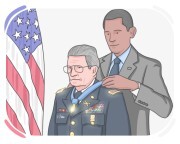
to show a lot of respect for someone or something
onora, arăta respect

people in the highest class of society who have a lot of power and wealth and usually high ranks and titles
aristocrație, nobilime
Evenimentul a fost frecventat de membri ai aristocrației în ținută elegantă.

a lineage of kings who rule a country or nation over a long period of time
dinastie
Dinastia Romanov a fost ultima dinastie imperială care a condus Rusia.

a territory governed by an emperor or empress, under imperial authority
imperiu, imperiu
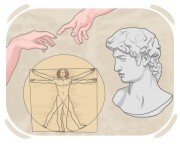
the period between the 14th and 16th centuries in Europe, marked by a rise of interest in Greek and Roman cultures, which is dominant in the art, philosophy, etc. of the times
Renaștere
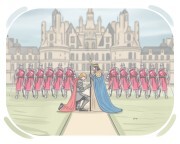
an era in European history, between about AD 1000 and AD 1500, when the authority of kings, people of high rank, and the Christian Church was unquestionable
Evul Mediu, perioada medievală
Multe universități și centre de învățământ importante au fost înființate în Europa în timpul Evului Mediu.
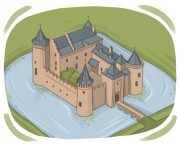
a large and strong building that is protected against attacks, in which the royal family lives
castel, cetate

a structure or town that has been designed for military defense against enemy attacks
cetate, citadelă
Cetatea veche stătea pe vârful dealului, dominând ținutul înconjurător.
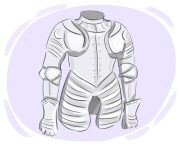
a protective metal clothing used by soldiers in the past in order not to be harmed or injured during battles
armură, platoșă
Muzeul a prezentat o expoziție despre armurile medievale, arătând diferite stiluri și modele folosite de-a lungul istoriei.
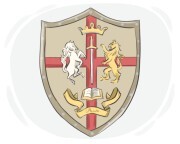
the symbol of a nation, country, family, etc. that is usually printed on shields or flags
stemă, blazon
Stema universității prezintă un leu și o carte deschisă, reprezentând puterea și cunoștințele.
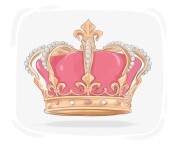
a round object often decorated with gems that kings or queens put on their heads as a symbol of power and authority
coroană, diademă
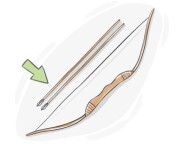
a long, thin projectile with a pointed end that is shot from a bow
săgeată, săgeată de arc

a weapon with a long, sharp metal blade and a handle, used for cutting or thrusting
sabie, spadă

a special design or sign that represents a nation, monarchy, etc.
emblema, simbol
Fiecare ramură a armatei are propriul său emblema pentru a semnifica rolul și istoria sa specifică.
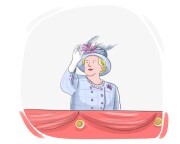
relating to the king or queen or belonging to the monarchy
regal, regesc
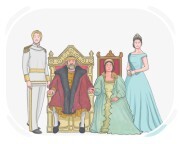
kings and queens and any member of their families
familie regală, monarhi
Ceremonia a fost asistată de familia regală din mai multe țări, adăugând la măreția sa.

belonging to a hereditary social class of high rank

the class of people with the highest social or political ranks and titles
nobilime, aristocrație
Regele a acordat terenuri și titluri nobilimii în semn de recunoaștere a loialității lor.

a noble title in European countries, ranking below a marquess and above a viscount
conte

a woman holding the rank of a count or earl
contesă, contesă
Contesa a participat la ceremonia regală în toată podoaba.
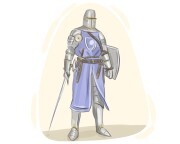
in medieval Europe, a mounted warrior of recognized military and social rank who served a king or lord
cavaler, cavaleră

the title of a woman with the rank of a duke
ducesă, titlul unei femei cu rangul de duce
Ca ducesă, se bucura de o viață de privilegii și influență în cercurile aristocratice.

the male ruler of a territorial unit that has a royal family
rege, monarh
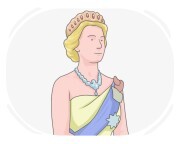
the female ruler of a territorial unit that has a royal family
regină
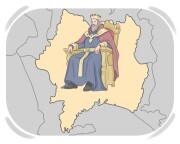
an area or territory that is governed by a king or queen
regat, domnie

a title given to a lord's wife
doamnă, nobilă

a title used to address a king or queen with respect
majestate, suveranitate

a man of high rank who belongs to the nobility
domn, nobil
Sistemul feudal îi plasa pe domnii în fruntea administrării justiției și a colectării taxelor de la vasalii lor.
a person who has the power to rule over a kingdom or empire, especially someone who inherits this power
monarh, suveran
Monarhul s-a adresat națiunii într-un discurs televizat, discutând despre probleme importante și evenimente viitoare.
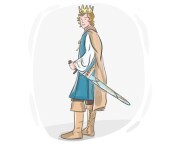
a male royal heir or ruler, typically the son of a king or queen
prinț, fiul regelui

a female member of a royal family, especially a daughter or granddaughter of a king or queen or the wife of a prince
prințesă, regină

a man of high rank in various European countries, ranking just below a prince and above a count or earl
duce, domn

the practice of owning and controlling people as property, denying them basic human rights and freedoms
sclavie, robie
Aboliționiștii au luptat neobosit pentru a pune capăt sclaviei și pentru a asigura drepturile persoanelor sclavizate.
