
Advanced Vocabulary for TOEFL - Art
Here you will learn some English words about art, such as "somber", "rococo", "formalism", etc. that are needed for the TOEFL exam.
Review
Flashcards
Spelling
Quiz
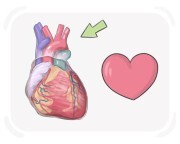
real and tangible, existing in physical form that can be sensed or experienced

representing people, animals and objects and forms as they appear in the real world
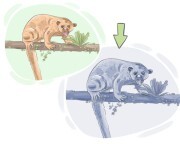
(of a picture or photograph) containing or portraying images in black and white or different shades of a single color only
lacking sophistication or cultural depth
dark and gloomy in color, especially gray or black
having exceptional beauty or excellence
an ornate and grand style of art, music, and architecture present in the 17th and early 18th centuries in Europe
an elaborate and heavily decorated style of art, architecture, and furniture with asymmetrical patterns that was prevalent in Europe in the 18th century
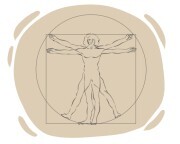
a style of art and literature associated with harmony, simplicity, and beauty based on the standards of ancient Greece and Rome, Classicism was popular in Europe from the Renaissance to the 18th century
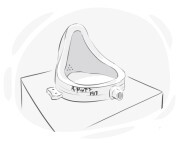
an early 20th-century movement in art, literature, music, and cinema, renouncing and satirizing artistic and social traditions and highlighting the illogical and absurd as a way of protest
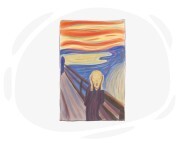
a style and movement of art, music, and literature in the early 20th century that expresses extreme feelings and emotions instead of showing events or objects in a realistic manner
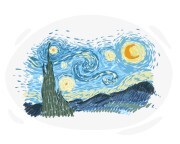
a movement in painting originated in 19th-century France that uses light and color in a way that gives an impression rather than a detailed representation of the subject
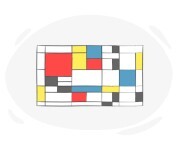
an artistic or literary style that considers the rules and proper arrangement of the elements as being the most fundamental factor in comparison with expressing feelings or meaning
a European style of art in the late 16th century characterized by hyper-idealization and distorted human forms
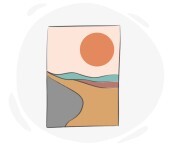
a style of art, music, or design that arose in the 1950s and is associated with simplicity and uses only a limited number of elements
a style of art, literature, music, or architecture that imitates the style practiced in ancient Greece and Rome

a literary and artistic movement initiated in the late 19th century, marked by the accurate depiction of detail
a movement and style in art, literature, architecture, etc. in the 20th century, which reacted against modernism and is usually marked by a return to earlier styles and inclusion of features from various periods
to spread a sticky substance such as mud, paint, etc. on a surface in a careless way
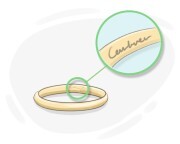
to cut or carve designs or writings on a hard surface, often using acid or a laser beam
the process of artfully constructing something by means of different objects that are easily accessible
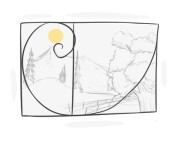
the artistic arrangement of people, objects, or elements in a painting or image
a form of modern sculpture constructed using sound, light, movement, etc. as well as objects, often as a temporary piece of art
a technique of mural painting that is done by putting watercolor on wet plaster on a wall or ceiling
a work of art or decorative motif featuring an incongruous combination of human, animal, and plant forms
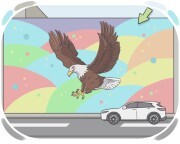
a large painting done on a wall
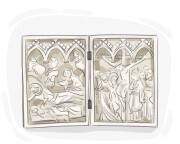
a painting or engraving done on two separate pieces of wood that are hinged and can be closed like a book, usually used as an altarpiece
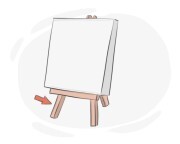
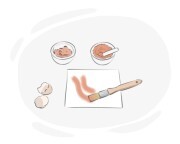
a kind of pigment that is mixed with water or egg yolk in order to be painted on a canvas, paper, etc.
a collective or movement at the forefront of experimentation, determined to challenge established conventions and pioneer new forms of expression
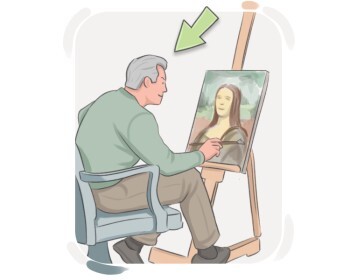
an individual who is an expert of art, food, music, etc. and can judge its quality
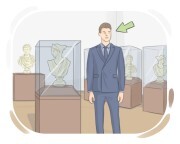
an organization or a person who is responsible for preserving, repairing, or restoring works of art, cultural sites, or other types of historical heritage
