
Fejlett Szókincs a TOEFL-hez - Művészet
Itt megtanulhat néhány angol szót a művészetről, például "komor", "rokoko", "formalizmus" stb., amelyek szükségesek a TOEFL vizsgához.
Áttekintés
Villámkártyák
Betűzés
Kvíz

existing in a physical form that can be seen, touched, or otherwise perceived by the senses

konkrét, tárgyi

representing people, animals and objects and forms as they appear in the real world
figuratív, reprezentatív
Ő inkább a figuratív festészetet részesíti előnyben az absztrakt stílusokkal szemben.
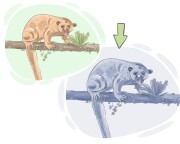
(of a picture or photograph) containing or portraying images in black and white or different shades of a single color only
monokróm, fekete-fehér
Monokróm ruhát viselt, teljesen fekete különböző árnyalataiba öltözve.
lacking sophistication or cultural depth
finomítatlan, vulgáris
Ő inkább az alacsony színvonalú szórakozást részesítette előnyben, mint a játék-show-kat és a bulvársajtót.
dark and gloomy in color, especially gray or black
komor, sötét
A festmény komor hangulata szomorúság és önvizsgálat érzését keltette.
having exceptional beauty or excellence
fennkölt, csodálatos
Ahogy a nap lenyugodott a horizonton, rózsaszín és arany színekkel festve az eget, a kilátás a hegycsúcsról valóban fenséges volt.
an ornate and grand style of art, music, and architecture present in the 17th and early 18th centuries in Europe
barokk, barokk stílus
A barokk zene, bonyolult dallamai és gazdag harmóniáival, a 17. és a korai 18. században virágzott, olyan zeneszerzők remekeit alkotva, mint Bach, Handel és Vivaldi.
an elaborate and heavily decorated style of art, architecture, and furniture with asymmetrical patterns that was prevalent in Europe in the 18th century
Rokokó, rokokó stílus
Ahogy a palotában barangoltam, lenyűgöztek a fényűző rokoko díszítések, amelyek minden szobát ékesítettek, az aranyozott tükröktől a díszes mennyezeti freskókig.
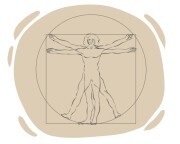
a style of art and literature associated with harmony, simplicity, and beauty based on the standards of ancient Greece and Rome, Classicism was popular in Europe from the Renaissance to the 18th century
klasszicizmus, neoklasszicizmus
A szobor klasszicizmust mutat, az ókori görög szobrok ihlették.
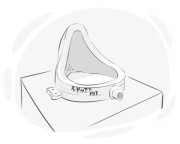
an early 20th-century movement in art, literature, music, and cinema, renouncing and satirizing artistic and social traditions and highlighting the illogical and absurd as a way of protest
dada, dadaizmus
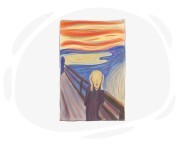
a style and movement of art, music, and literature in the early 20th century that expresses extreme feelings and emotions instead of showing events or objects in a realistic manner
expresszionizmus, az expresszionizmus
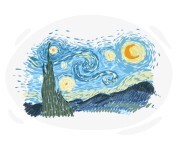
a movement in painting originated in 19th-century France that uses light and color in a way that gives an impression rather than a detailed representation of the subject
impresszionizmus
Az impresszionizmus mozgalom forradalmasította a művészet világát a 19. század végén, hangsúlyozva a laza ecsetvonásokat és az élénk színeket a pontos részletek helyett.
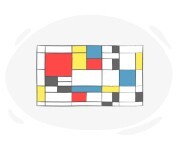
an artistic or literary style that considers the rules and proper arrangement of the elements as being the most fundamental factor in comparison with expressing feelings or meaning
formalizmus, a formalizmus
a European style of art in the late 16th century characterized by hyper-idealization and distorted human forms
manierizmus, manierista stílus
A manierizmus a magas reneszánsz harmóniája és egyensúlya elleni reakcióként jelent meg, elfogadva a bonyolultságot és a kétértelműséget mind a formában, mind a tartalomban.

a style of art, music, or design that arose in the 1950s and is associated with simplicity and uses only a limited number of elements
minimalizmus
A művész munkája a minimalizmus tökéletes példája.
a style of art, literature, music, or architecture that imitates the style practiced in ancient Greece and Rome
neoklasszicizmus, neoklasszikus stílus
A 18. századi neoklasszicizmus az ókori Görögország és Római Birodalom művészetéből, építészetéből és filozófiájából merített ihletet.

a literary and artistic movement initiated in the late 19th century, marked by the accurate depiction of detail
naturalizmus
a movement and style in art, literature, architecture, etc. in the 20th century, which reacted against modernism and is usually marked by a return to earlier styles and inclusion of features from various periods
posztmodernizmus
to spread a sticky substance such as mud, paint, etc. on a surface in a careless way
ken, beken
Kenődött sárral az arcát, mint álcázást a szabadtéri játékhoz.

to cut or carve designs or writings on a hard surface, often using acid or a laser beam
mar, vés
Az ékszerész bonyolult mintákat vésett az ezüst medálra.
the process of artfully constructing something by means of different objects that are easily accessible
bricolage
A lakását vintage bútorok, használtbolti leletek és kézműves alkotások bricolage-jával díszítette, minden szobának egyedi és eklektikus stílust adva.
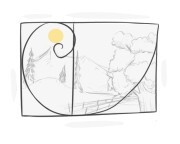
the arrangement and relationship of visual elements within an artwork or image
kompozíció, elrendezés
a work of contemporary art created by arranging objects, images, sound, light, or other materials within a space
installáció, művészeti installáció
a technique of mural painting that is done by putting watercolor on wet plaster on a wall or ceiling
freskó, falfestmény
A művész hónapokat töltött a freskó munkálataival, óvatosan vízfestékrétegeket alkalmazva nedves vakolatra, hogy egy zökkenőmentes és tartós remekművet hozzon létre.
a work of art or decorative motif featuring an incongruous combination of human, animal, and plant forms
groteszk, groteszk figura
A reneszánsz művészek gyakran festettek groteszkeket freskókra és falfestményekre.
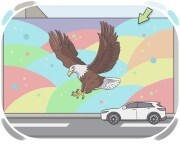
a large painting done on a wall
falfestmény, mural
Az iskola udvarát egy hétvégi művészeti eseményen diákok és közösségi tagok által festett színes falfestmény alakította át.
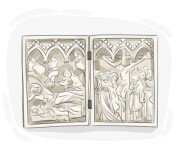
a painting or engraving done on two separate pieces of wood that are hinged and can be closed like a book, usually used as an altarpiece
diptichon, kétrészes festmény

a wooden frame, usually a tripod, that an artist uses to support a canvas
festőállvány, vászonállvány
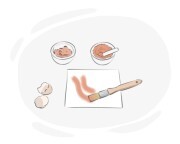
a kind of pigment that is mixed with water or egg yolk in order to be painted on a canvas, paper, etc.
tempera, egyfajta festék
a collective or movement at the forefront of experimentation, determined to challenge established conventions and pioneer new forms of expression
avantgárd, előőrs
Az a kis jazz klub az avantgárd központjává vált, ahol minden héten kísérleti zeneszerzők léptek fel.
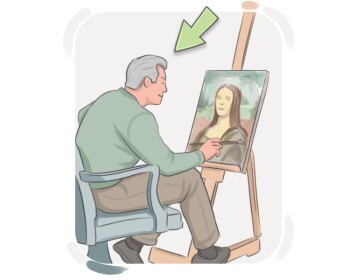
an individual who is an expert of art, food, music, etc. and can judge its quality
szakértő, ismerő
A művészet ismerője buzgón böngészte a galériát, csodálva az ecsetvonásokat és kompozíciókat egy éles szemmel, amelyet éveknyi tanulmányozás és megbecsülés élesített.

an organization or a person who is responsible for preserving, repairing, or restoring works of art, cultural sites, or other types of historical heritage
konzervátor, restaurátor
a source of inspiration for an artist or author that gives them ideas or motivates them to create works of art
múzsa, inspiráció forrása
A zene lett a múzsája, befolyásolva költészetét és prózáját.
