
Лингвистика - Words Related to Linguistics
Здесь вы узнаете некоторые английские слова, связанные с лингвистикой, такие как "дефис", "маркер" и "корпус".
Обзор
Флэш-карточки
формы
Правописание
Тест

the spoken or written shape of a word used for identification or description

форма, структура
the study or use of words and the way they are put together or changed to make sentences
грамматика
Я практикую свою английскую грамматику каждый день, записывая записи в дневнике.
any human language that has developed organically over time for communication purposes, distinguishing it from constructed or artificial languages
естественный язык, природный язык
a language deliberately created by humans for specific purposes, such as international communication or fictional settings, rather than evolving naturally over time
искусственный язык, созданный язык
a language intentionally created by individuals or groups, often for specific purposes, such as improving communication, facilitating learning, or serving fictional or artistic purposes
искусственный язык, конструированный язык
the asymmetrical relationship between linguistic forms or features, where one form or feature is considered more "marked" or less typical than another
маркированность, лингвистическая асимметрия

a book or electronic resource that gives a list of words in alphabetical order and explains their meanings, or gives the equivalent words in a different language
словарь
Карманный словарь может быть удобен во время путешествий, чтобы помочь общаться на разных языках.
the specific word or form that serves as the main or primary lexical entry in a dictionary or reference work, typically representing the headword or base form of a word from which various inflected forms and derived words are derived
входное слово, заглавное слово
a person or a community of people whose first language or primary language is English
англофон
an utterance expressed in speech rather than written form
сказанное слово
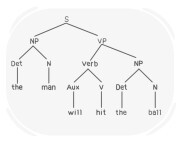
(linguistics) the way in which words and phrases are arranged to form grammatical sentences in a language
синтаксис
В лингвистике синтаксис относится к правилам, которые управляют структурой предложений, определяя, как слова расположены для передачи смысла.
a large and structured collection of authentic texts or spoken language samples, used for linguistic analysis and research purposes
корпус, коллекция текстов

the process of changing written or spoken words from one language to another while maintaining the same meaning
перевод
Перевод романа с французского на английский занял шесть месяцев.

a system used to communicate with deaf people that involves using hands and body gestures instead of words
язык жестов, язык глухонемых
the hypothetical language that is believed to be the root of all Indo-European languages
Протоиндоевропейский язык
the standardized set of rules and conventions for spelling and writing within a particular language or writing system, guiding the proper representation of words and symbols
орфография, система правописания
a meaningful unit of analysis that is derived from within the specific cultural or linguistic context being studied, taking into account the perspectives and interpretations of the individuals or community under investigation
эмическая единица, эмическая сущность
a sentence from a speech, book, etc. that is repeated somewhere else because it is wise or interesting
цитата
Цитата "Не все то золото, что блестит" служит вечным напоминанием смотреть дальше внешности.
a sudden and short sound, word or phrase, uttered to express anger, excitement, etc.
восклицание
« Ой! » — это восклицание сорвалось с его губ после того, как он ударился пальцем ноги.
obscure language intended to impress or confuse rather than communicate clearly
жаргон, тарабарщина
Избегайте использования жаргона в инструкциях для широкой публики.
a linguistic element or feature that signals or indicates a specific grammatical, semantic, or pragmatic function within a language
маркер, индикатор
a fixed or semi-fixed phrase or expression with a specific meaning or function that extends beyond the sum of its individual words
фразема, устойчивое выражение
a concept in linguistics that suggests that the structure and vocabulary of a language shape the thoughts and perception of its speakers, influencing their worldview and cognition
лингвистический детерминизм, языковой детерминизм
a grammatical or semantic property of a language or construction that indicates that the subject of a verb is also the object or recipient of the action performed by the subject, creating a self-referential or reflective relationship within the sentence
рефлексивность, рефлексивное свойство
(grammar) to have the same grammatical number, gender, case or person
согласовываться, соответствовать
(grammar) to show how a verb changes depending on number, person, tense, etc.
спрягать
Профессор лингвистики объяснил, как разные языки спрягают глаголы по-разному в зависимости от их грамматических структур.
(grammar) to inflect or state the different forms of a noun, pronoun or adjective according to gender, number, etc.
склонять
Немецкий язык требует, чтобы вы склоняли артикли и прилагательные в соответствии с родом, числом и падежом существительного, которое они определяют.
to write or say the letters that form a word one by one in the right order
читать по складам
Он с трудом произносит по буквам слово "ресторан" правильно.
(phonetics) to pronounce a vowel or a consonant with a strongly released breath
произносить с придыханием
(phonetics) to pronounce the /r/ sound with an alveolar trill
дрожащий произносить
Изучающие языки могут потратить время на отработку навыка прокатывания звуков 'r' для достижения точного произношения на различных языках.
(phonetics) to utter a syllable in a word or phrase with more emphasis
ударять
В английском языке мы часто ударением выделяем первый слог в словах, таких как "table" и "happy".
(phonetics) to articulate a speech sound with the vibration of the vocal cords
голосовать
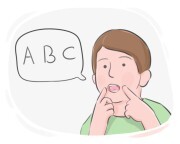
to pronounce or utter something in a clear and precise way
произносить ясно
На занятии по логопедии он работал над тем, как артикулировать сложные звуки.
(linguistics) to express a concept, thought, or idea in a foreign language
зашифровать
Переводчик усердно работал, чтобы закодировать намерения автора.
to learn by repetition and practice
практиковаться
Она отрабатывала свои реплики для пьесы, пока не выучила их идеально.
to speak with involuntary stops and repetitions of certain words
заикаться
Нервничая из-за своего первого публичного выступления, он начал заикаться, несколько раз повторяя вступительные слова.
to make an error or repeated errors while speaking
запинаться
Когда он говорил в прямом эфире по телевидению, он иногда спотыкался, создавая моменты неловкого молчания.
to use punctuation marks in a text in order to make it more understandable
пунктировать
Когда вы пишете эссе, важно правильно расставлять знаки препинания в предложениях, чтобы ваши идеи были четко переданы.
(grammar) to divide a sentence into its grammatical constituents, identifying the syntactic role of each part
делать грамматический разбор
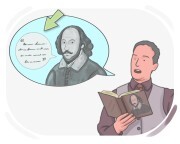
to say the exact sentence or group of words someone else used in a movie, book, etc.
цитировать
Во время своей презентации он процитировал знаменитую фразу из «Крёстного отца»: «Я сделаю ему предложение, от которого он не сможет отказаться».
| Лингвистика | |||
|---|---|---|---|
| Neurolinguistics | Sign Language | Изучение языков и владение ими | Words Related to Linguistics |
