Cambridge IELTS 19 - Academic - Test 1 - Listening - Part 3 (2)

Here you can find the vocabulary from Test 1 - Listening - Part 3 (2) in the Cambridge IELTS 19 - Academic coursebook, to help you prepare for your IELTS exam.

review-disable

review

flashcard-disable

flashcard

spelling-disable

spelling

quiz-disable

quiz

start-learning
Cambridge IELTS 19 - Academic
imported [adjective]

(of goods or items) brought into a country from another country for sale or use

Ex: She bought an imported car that was made in Germany .
proactive [adjective]

characterized by taking initiative to control or influence a situation rather than merely reacting to events

Ex: She adopted a proactive strategy to improve team performance .

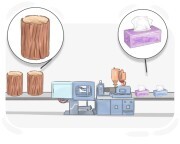
to think about a problem or an issue and start to deal with it
Ex: The government must address the rising unemployment rate .
somehow [adverb]

in a way or by some method that is not known or certain

Ex: The team was behind , but they somehow won the game .

to make someone want to do something by giving them a reason or encouragement

Ex: The inspiring story of success served to motivate aspiring entrepreneurs .
consumer [noun]

someone who buys and uses services or goods
Ex: The new smartphone model received positive reviews from consumers .
aware [adjective]

having an understanding or perception of something, often through careful thought or sensitivity

Ex: He was n't aware of the consequences of his actions until it was too late .

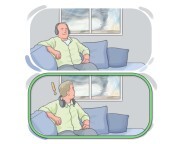
a decline in amount, degree, etc. of a particular thing
Ex: The reduction in traffic congestion was noticeable after the new highway was opened .
unnecessary [adjective]

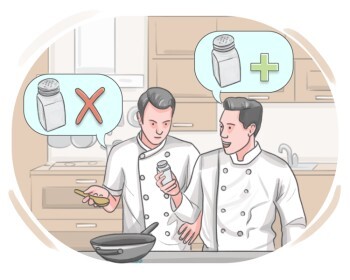
not needed at all or more than what is required

Ex: The additional security measures seemed unnecessary given the low risk of a security breach .

the material or container that the products are sold in

just about [adverb]

used to refer to an estimate or approximation that is not exact but fairly close to the correct amount or quantity

Ex: There are just about 50 people attending the event tonight .
gluten [noun]

a mixture of proteins found in wheat and other cereal grains, responsible for the elastic texture of dough

Ex:
gluten-free [adjective]

not having gluten, a protein in wheat, barley, and rye

Ex: He asked for a gluten-free pizza at the restaurant .
lactose [noun]

a sugar found in milk, consisting of glucose and galactose molecules linked together

Ex:
allergy [noun]

a medical condition in which one's body severely reacts to a specific substance if it is inhaled, touched, or ingested

Ex: The doctor advised her to avoid dairy products because of her lactose allergy .

to identify a medical condition or sickness in a person or an animal

Ex: She was diagnosed with the flu after visiting the clinic .
branded [adjective]

(of a product) marked or labeled with a distinctive name or logo of a particular company

to be connected to or about a particular subject

Ex: The discussion will primarily relate to the financial aspects of the project .

to become aware of something through seeing, hearing, or feeling it

Ex: She noticed a change in his attitude after the meeting .
ready-made [adjective]

made in advance and available for immediate use or purchase, without the need for any additional preparation or assembly

Ex: The ready-made soup was a lifesaver after a long day at work .
takeaway [noun]

a meal bought from a restaurant or store to be eaten somewhere else

Ex: After a long day , nothing beats a hot takeaway from our favorite Indian restaurant .
facility [noun]

a place or a building is designed and equipped for a specific function, such as healthcare, education, etc.

Ex: The community center is a multi-purpose facility offering classes , sports programs , and events .

to try something new or test an idea, method, or process to discover its effect, outcome, or validity

Ex: He experimented by adding extra sugar to the cake recipe to see if it made a difference .
design [noun]

a pattern of shapes and lines as a decoration

Ex: The rug displays a colorful design with circles and squares .
to apply [verb]

to use or employ something for its intended or inherent purpose, or for a specific task or function

Ex: Scientists apply advanced technologies and methodologies to conduct experiments .

to give someone what is needed or necessary
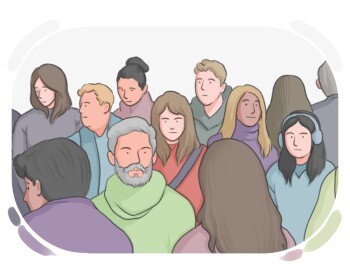
Ex: The restaurant aims to provide excellent customer service for the patrons .
public [noun]

a society's ordinary people

Ex: The company 's mission is to ensure that its products are accessible to the general public .

to avoid telling about something to others

Ex: Please keep the surprise party plans quiet ; we do n't want her to find out .

to have a sudden or complete understanding of a fact or situation
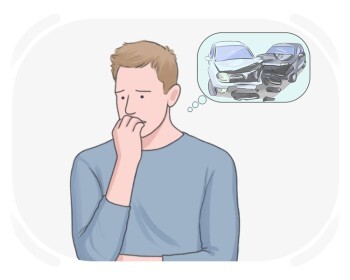
Ex: They only realized the importance of the meeting once it was too late .
concern [noun]

a feeling of being uneasy, troubled, or worried about something such as problem, threat, uncertainty, etc.

Ex: Despite their outward confidence , a flicker of concern betrayed their true feelings .

any medical condition that affects the function or structure of the heart

Ex: Heart problems run in his family , so he gets regular check-ups .

to decide to do something that may result in something unpleasant or dangerous

Ex: Taking a risk in a relationship can lead to deep emotional connections and personal growth .

the act of utilizing something effectively for a specific purpose or task

Ex: The teacher demonstrated the application of theory in practice .
relevant [adjective]

having a close connection with the situation or subject at hand
Ex: The course covers topics that are relevant to today 's business environment .
widespread [adjective]

existing or spreading among many people, groups, or communities through communication, influence, or awareness
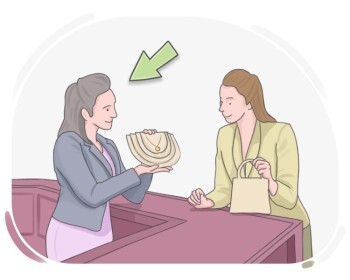
Ex: The artist ’s work gained widespread recognition after being featured in an international exhibition .
retailer [noun]

a store, person, or business that sells goods to the public for their own use, not for resale

Ex: The retailer offers discounts and promotions to attract customers to its stores .

money or resources given to help cover expenses or provide assistance to someone or something

Ex: The charity collects donations to provide financial support to those in need .
strict [adjective]

(of rules and regulations) absolute and must be obeyed under any circumstances

Ex: The immigration laws in this country are very strict , making it difficult for some to obtain visas .

a rule made by the government, an authority, etc. to control or govern something within a particular area

Ex: Building regulations dictate the minimum safety standards for construction projects .

to think or believe that something is possible or true, without being sure

Ex: I suppose the project will be completed on time if everyone stays on track .

to show, point out, or suggest the existence, presence, or nature of something

Ex: The arrow on the map indicates the next turn .
to treat [verb]

to provide medical care such as medicine or therapy to heal injuries, illnesses, or wounds and make someone better

Ex: Instructors often teach individuals how to treat minor injuries .
lactose-free [adjective]

not containing lactose, which is a natural sugar found in milk and dairy products

Ex: We used lactose-free cream for the recipe .

a condition where the body cannot properly handle a certain type of food, which can lead to problems like stomach pain, gas, or tiredness

Ex: The doctor tested him for food intolerance .

a combination of different ground spices or herbs blended together to add flavor to food

Ex: He sprinkled the spice mix over the vegetables .

a place that makes food only for delivery or pickup, without a space for customers to eat or dine in

Ex: They operate a ghost kitchen with several food brands .
Cambridge IELTS 19 - Academic
Test 1 - Listening - Part 1 Test 1 - Listening - Part 2 Test 1 - Listening - Part 3 (1) Test 1 - Listening - Part 3 (2)
Test 1 - Listening - Part 4 (1) Test 1 - Listening - Part 4 (2) Test 1 - Reading - Passage 1 (1) Test 1 - Reading - Passage 1 (2)
Test 1 - Reading - Passage 2 (1) Test 1 - Reading - Passage 2 (2) Test 1 - Reading - Passage 2 (3) Test 1 - Reading - Passage 3 (1)
Test 1 - Reading - Passage 3 (2) Test 1 - Reading - Passage 3 (3) Test 2 - Listening - Part 1 Test 2 - Listening - Part 2 (1)
Test 2 - Listening - Part 2 (2) Test 2 - Listening - Part 3 (1) Test 2 - Listening - Part 3 (2) Test 2 - Listening - Part 4 (1)
Test 2 - Listening - Part 4 (2) Test 2 - Reading - Passage 1 (1) Test 2 - Reading - Passage 1 (2) Test 2 - Reading - Passage 1 (3)
Test 2 - Reading - Passage 2 (1) Test 2 - Reading - Passage 2 (2) Test 2 - Reading - Passage 2 (3) Test 2 - Reading - Passage 3 (1)
Test 2 - Reading - Passage 3 (2) Test 2 - Reading - Passage 3 (3) Test 3 - Listening - Part 1 Test 3 - Listening - Part 2 (1)
Test 3 - Listening - Part 2 (2) Test 3 - Listening - Part 3 (1) Test 3 - Listening - Part 3 (2) Test 3 - Listening - Part 4 (1)
Test 3 - Listening - Part 4 (2) Test 3 - Reading - Passage 1 (1) Test 3 - Reading - Passage 1 (2) Test 3 - Reading - Passage 1 (3)
Test 3 - Reading - Passage 2 (1) Test 3 - Reading - Passage 2 (2) Test 3 - Reading - Passage 2 (3) Test 3 - Reading - Passage 3 (1)
Test 3 - Reading - Passage 3 (2) Test 3 - Reading - Passage 3 (3) Test 3 - Reading - Passage 3 (4) Test 4 - Listening - Part 1 (1)
Test 4 - Listening - Part 1 (2) Test 4 - Listening - Part 2 (1) Test 4 - Listening - Part 2 (2) Test 4 - Listening - Part 3 (1)
Test 4 - Listening - Part 3 (2) Test 4 - Listening - Part 4 (1) Test 4 - Listening - Part 4 (2) Test 4 - Listening - Part 4 (3)
Test 4 - Reading - Passage 1 (1) Test 4 - Reading - Passage 1 (2) Test 4 - Reading - Passage 1 (3) Test 4 - Reading - Passage 2 (1)
Test 4 - Reading - Passage 2 (2) Test 4 - Reading - Passage 2 (3) Test 4 - Reading - Passage 2 (4) Test 4 - Reading - Passage 3 (1)
Test 4 - Reading - Passage 3 (2) Test 4 - Reading - Passage 3 (3) Test 4 - Reading - Passage 3 (4)