pattern

Lista Słówek Poziomu C1 - Perswazja i Dyskurs

Tutaj nauczysz się niektórych angielskich słów dotyczących perswazji i dyskursu, takich jak "wymawiane", "korzystnie", "dyskusyjne" itp. przygotowanych dla uczących się na poziomie C1.

Przegląd

Fiszki

formy

Pisownia

Test

Zacznij naukę
CEFR C1 Vocabulary
to advocate
to advocate
[Czasownik]

to publicly recommend or encourage a particular action, approach, or way of doing something

popierać,  zalecać

popierać, zalecać

Ex: Daniel strongly advocated introducing the new system in stages. 
to appraise
to appraise
[Czasownik]

to estimate or assess the value, quality, or performance of something or someone

oceniać, szacować

oceniać, szacować

Ex: The teacher appraised the student's performance during the presentation. 

Nauczyciel ocenił wystąpienie ucznia podczas prezentacji.
to assert
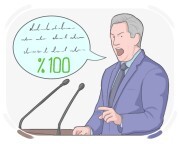
to assert
[Czasownik]

to state confidently and firmly that something is true

twierdzić,  zapewniać
twierdzić, zapewniać

Ex: Daniel firmly asserted that he had never seen the document before. 
to bias
to bias
[Czasownik]

to influence someone or something unfairly in favor of or against a particular view or outcome

wpływać,  stronniczo nastawiać

wpływać, stronniczo nastawiać

Ex: Personal relationships should not bias the hiring decision. 
to calculate
to calculate
[Czasownik]

to form an opinion by considering the information at hand

oceniać, szacować

oceniać, szacować

Ex: He calculated that it would be more cost-effective to rent rather than buy. 
to commit
to commit
[Czasownik]

to state that one is bound to do something specific

zobowiązywać się, zobowiązywać się do

zobowiązywać się, zobowiązywać się do

Ex: Before launching the new initiative, the team committed to conducting thorough research and gathering stakeholder feedback. 
to confer
to confer
[Czasownik]

to discuss something with others in order to exchange views or reach a decision

naradzać się,  konsultować

naradzać się, konsultować

Ex: Officials met privately to confer on the proposed changes. 
to conform
to conform
[Czasownik]

to behave or think according to the accepted customs, expectations, or behavior of a group

dostosować się

dostosować się

Ex: Employees were expected to conform to the company's established culture. 
to contend
to contend
[Czasownik]

to argue the truth of something

utrzymywać, bronić

utrzymywać, bronić

Ex: Scientists contend that vaccination is the most effective way to prevent the spread of infectious diseases. 

Naukowcy twierdzą, że szczepienia są najskuteczniejszym sposobem zapobiegania rozprzestrzenianiu się chorób zakaźnych.
to contradict
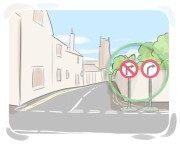
to contradict
[Czasownik]

(of pieces of evidence, facts, statements, etc.) to be opposite or very different in a way that it is impossible for all to be true at the same time

zaprzeczać

zaprzeczać

Ex: The data from the study contradicted the initial hypothesis proposed by the researchers. 

Dane z badania zaprzeczały początkowemu założeniu zaproponowanemu przez badaczy.

contradictory
contradictory
[przymiotnik]

(of statements, beliefs, facts, etc.) incompatible or opposed to one another, even if not strictly illogical

sprzeczny, niezgodny

sprzeczny, niezgodny

Ex: The contradictory evidence in the case made it difficult to reach a conclusion. 

Sprzeczne dowody w sprawie utrudniły wyciągnięcie wniosków.
to convert
to convert
[Czasownik]

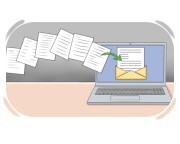
to change the form, purpose, character, etc. of something

przekształcać, konwertować
przekształcać, konwertować

Ex: The company will convert traditional paper records into a digital database for efficiency. 
to deduce
to deduce
[Czasownik]

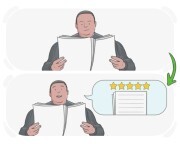
to determine by a process of logical reasoning

wywnioskować, wydedukować

wywnioskować, wydedukować

Ex: By analyzing the symptoms, the doctor could deduce the likely cause of the illness. 

Analizując objawy, lekarz mógł wywnioskować prawdopodobną przyczynę choroby.
to deem
to deem
[Czasownik]

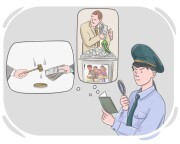
to consider or judge someone or something in a particular way

uważać,  sądzić
uważać, sądzić

Ex: The evidence was deemed insufficient to support the claim. 
to dispute
to dispute
[Czasownik]

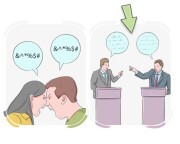
to argue with someone, particularly over the ownership of something, facts, etc.

spierać się, dyskutować

spierać się, dyskutować

Ex: The athletes disputed the referee's decision, claiming it was unfair and biased. 
to echo
to echo
[Czasownik]

to repeat opinions or statements of another person, particularly to show support or agreement

powtarzać, odbijać

powtarzać, odbijać

Ex: She echoed her colleague's concerns about the new policy, emphasizing the potential risks involved. 
anti
anti
[Przyimek]

used to convey that one is against something

przeciw

przeciw

Ex: The politician's anti-corruption platform resonated with voters tired of government scandals. 

Platforma antykorupcyjna polityka znalazła oddźwięk wśród wyborców zmęczonych skandalami rządowymi.

affirmative
affirmative
[przymiotnik]

favorable or supportive in attitude or response

twierdzący, wspierający

twierdzący, wspierający

Ex: She received an affirmative nod from her supervisor, signaling approval to proceed with the project. 

Otrzymała potakujące skinienie głowy od swojego przełożonego, sygnalizujące zgodę na kontynuowanie projektu.

challenging
challenging
[przymiotnik]

intending to provoke thought or discussion

pobudzający, prowokacyjny

pobudzający, prowokacyjny

Ex: She offered a challenging opinion that no one expected. 

Zaproponowała prowokującą do myślenia opinię, której nikt się nie spodziewał.

credible
credible
[przymiotnik]

able to be believed or relied on

wiarygodny, godny zaufania

wiarygodny, godny zaufania

Ex: To ensure the information was credible, the journalist verified her sources before publishing the article. 

Aby upewnić się, że informacje były wiarygodne, dziennikarz zweryfikował swoje źródła przed opublikowaniem artykułu.

debatable
debatable
[przymiotnik]

subject to argument or disagreement

dyskusyjny, sporny

dyskusyjny, sporny

Ex: His actions in the situation are debatable, as some believe he made the right call while others disagree. 

Jego działania w tej sytuacji są dyskusyjne, ponieważ niektórzy uważają, że podjął słuszną decyzję, podczas gdy inni się nie zgadzają.

pronounced
pronounced
[przymiotnik]

immediately noticed due to being apparent

wyraźny, zauważalny

wyraźny, zauważalny

Ex: The artist's unique style was pronounced in his latest exhibition, making his work easily recognizable. 

Unikalny styl artysty był wyraźny na jego najnowszej wystawie, co sprawiło, że jego prace były łatwo rozpoznawalne.

then again
then again
[Fraza]

used to add a statement that contradicts what one has just said

Ex: He claims he didn't cheat.  Then again, his notes were suspiciously detailed. 
arguably
arguably
[przysłówek]

used to convey that a statement can be supported with reasons or evidence

niewątpliwie,  prawdopodobnie

niewątpliwie, prawdopodobnie

Ex: The novel is arguably a classic, with its profound impact on literature and culture. 

Powieść jest niewątpliwie klasykiem, wywierając głęboki wpływ na literaturę i kulturę.

favorably
favorably
[przysłówek]

in a positive, approving, or useful manner

przychylnie, pozytywnie

przychylnie, pozytywnie

Ex: The economic indicators pointed favorably towards growth, with increasing employment rates and consumer spending. 

Wskaźniki ekonomiczne wskazywały korzystnie na wzrost, przy rosnących stopach zatrudnienia i wydatkach konsumentów.

as a matter of fact

used to introduce a statement that presents a truth or reality, often to clarify or emphasize something

Ex: You mentioned she wasn't interested; as a matter of fact, she expressed keen interest in joining the project 
at the same time

used to introduce a second fact that must be taken into account

Ex: The committee approved the proposal at the same time as requesting revisions. 
for that matter
for that matter
[przysłówek]

used to convey that what one is saying about something is also true for another related thing

nawiasem mówiąc, zresztą

nawiasem mówiąc, zresztą

Ex: I don't like coffee, and, for that matter, I'm not a fan of tea either. 

Nie lubię kawy, a nawiasem mówiąc, nie jestem też fanem herbaty.

(as|so) far as {sth} [is] concerned

used to refer to the specific matter or topic being discussed or considered
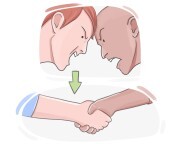
Ex: So far as customer satisfaction is concerned, we strive to provide exceptional service and address any concerns promptly. 
to fight out
to fight out
[Czasownik]

to fight until a result is achieved or an agreement is reached

rozstrzygnąć przez walkę, prowadzić spór aż do rozstrzygnięcia

rozstrzygnąć przez walkę, prowadzić spór aż do rozstrzygnięcia

Ex: Teams often have to fight out tough matches to determine the winner in competitive sports. 

Drużyny często muszą walczyć w trudnych meczach, aby określić zwycięzcę w sportach konkurencyjnych.

clash
clash
[Rzeczownik]

a serious disagreement or conflict between people, groups, ideas, or interests

starcie,  konflikt

starcie, konflikt

Ex: There was a clear clash between their different priorities. 
confrontation
confrontation
[Rzeczownik]

a hostile disagreement, dispute, or clash between opposing people or groups

konfrontacja,  starcie

konfrontacja, starcie

Ex: A confrontation broke out between the rival groups. 
consistency
consistency
[Rzeczownik]

the quality of always acting or being the same way, or having the same opinions or standards

spójność,  konsekwencja

spójność, konsekwencja

Ex: The company prides itself on the consistency of its product quality, ensuring customer satisfaction. 

Firma szczyci się spójnością jakości swoich produktów, zapewniając zadowolenie klientów.

conviction
conviction
[Rzeczownik]

a firmly held belief or opinion

Ex: Daniel spoke with conviction about the importance of honesty. 
critique
critique
[Rzeczownik]

a detailed judgment of something, such as a work of art, a political idea, etc.

krytyka

krytyka

Ex: The architect welcomed constructive critique from peers on the design proposal, aiming to refine the building's functionality. 
don't-know
don't-know
[Rzeczownik]

someone who does not provide a definite answer for a question, particularly when being asked in a poll

niezdecydowani, nie wiem

niezdecydowani, nie wiem

Ex: The don't-knows in the focus group highlighted a need for additional information on the proposed changes to the workplace structure. 

Nie wiem w grupie fokusowej podkreślili potrzebę dodatkowych informacji na temat proponowanych zmian w strukturze miejsca pracy.

cliche
cliche
[Rzeczownik]

a remark or opinion that has been used so much that it is not effective anymore

klisz, oklepany zwrot

klisz, oklepany zwrot

Ex: The movie received mixed reviews for its predictable plot and reliance on clichés. 

Film otrzymał mieszane recenzje za przewidywalną fabułę i reliance na cliché.

double-edged
double-edged
[przymiotnik]

(of a comment) implying two distinct meanings

dwuznaczny, niejednoznaczny

dwuznaczny, niejednoznaczny

Ex: The politician's double-edged statement on the economy was praised for its honesty but criticized for its potential to create confusion. 

Dwuznaczne oświadczenie polityka na temat gospodarki zostało pochwalone za szczerość, ale skrytykowane za potencjał wywołania zamieszania.

to that effect

used when one is providing the general meaning of written or spoken statement instead of the exact words

Ex: The witness testified that he had seen the suspect leaving the scene of the crime, or testimony to that effect, providing crucial information to the jury. 
okey-dokey
okey-dokey
[wykrzyknik]

used to show agreement, approval, etc.

okej, dobrze

okej, dobrze

Ex: She signed the contract and said, "Okey-dokey, I'm happy with the terms." 

Podpisała umowę i powiedziała: "Dobrze, jestem zadowolona z warunków."

awesomesauce
awesomesauce
[przymiotnik]

used to describe something as really great, satisfying, or interesting

wspaniały, fascynujący

wspaniały, fascynujący

Ex: She received an awesomesauce birthday gift from her best friend, who knew exactly what she liked. 

Otrzymała fantastyczny prezent urodzinowy od swojej najlepszej przyjaciółki, która dokładnie wiedziała, co lubi.

for crying out loud

used to show that one is angry, annoyed, or astonished

na litość boską, do jasnej cholery

na litość boską, do jasnej cholery

Ex: For crying out loud, how did you lose the keys again? 

Na litość boską, jak znowu zgubiłeś klucze?

sob story
sob story
[Rzeczownik]

a story told in order to gain the sympathy of other people, particularly one that seems to be fake

historia pod publiczkę, łzawa opowieść

historia pod publiczkę, łzawa opowieść

Ex: The actress told a sob story to the media about her struggles with fame, hoping to gain public sympathy. 

Aktorka opowiedziała mediom łzawą historię o swoich zmaganiach ze sławą, mając nadzieję na zdobycie sympatii publicznej.

LanGeek
Pobierz aplikację LanGeek