
Książka Street Talk 1 - Lekcja 4
Poznaj słownictwo, nieformalne wyrażenia i konwersacyjny angielski przedstawione w Street Talk 1 Lekcja 4.
Przegląd
Fiszki
formy
Pisownia
Test
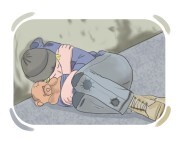
having little or no financial resources

spłukany, prawie bez pieniędzy
Jest spłukany, ale mimo to udało mu się pomóc przyjacielowi.
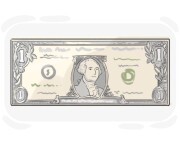
one dollar
dolar, banknot
W tej restauracji możesz dostać przyzwoity posiłek za mniej niż pięć dolarów.
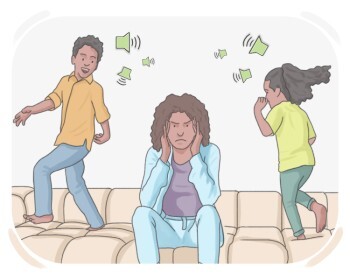
to persistently annoy someone, often by making repeated requests or demands
dokuczać, naprzykrzać się
Proszę, nie przeszkadzaj mi ciągłymi prośbami, gdy pracuję.
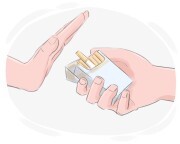
used for saying that someone strongly refuses to participate in or be associated with something, often due to strong dislike, embarrassment, or a sense of moral objection
za nic w świecie, nigdy w życiu
Mój brat nigdy w życiu nie słuchałby popu.
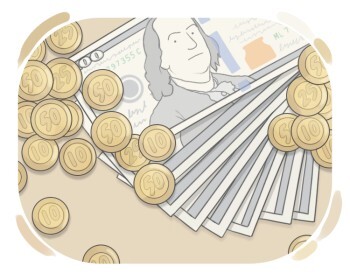
money, cash, or financial resources
pieniądze i gotówka, środki finansowe
Oddała kasę za nowy strój, który chciała kupić.

to compel or force someone or something to come along against their will
ciągnąć, wlec
to an extreme or intense degree
zabójczo, śmiertelnie
Jej występ był niesamowicie niesamowity, pozostawiając publiczność w zachwycie.
to become drunk just to forget something upsetting or disturbing
topić smutki w alkoholu, zapijać smutek
Nie chciał rozmawiać, więc próbował zapijać smutek.
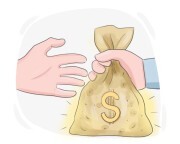
to reluctantly pay a significant amount of money
niechętnie wyłożyć dużą sumę, być zmuszonym zapłacić dużo
Nie chcę wykładać fortuny na designerską torebkę.

used to express surprise, mild shock, or amazement without swearing
Ojej, O rany
Szepnąłem: "Gee," gdy roller coaster spadł.
to be entertained, delighted, or excited by someone or something
mieć z czegoś dużo frajdy, cieszyć się czymś
Wciąż mam dużo frajdy, gdy słyszę tę piosenkę w radiu.
to start or begin something, often with a sense of urgency or purpose
to perfectly match someone's interests or needs
jakby stworzone dla kogoś, być dokładnie w czyimś stylu
Ta praca wygląda, jakby była stworzona dla Karima: pisanie, research i analiza danych w jednej roli.

used to express surprise, amazement, or disbelief
o rany!, nie do wiary!
Kiedy otworzyła drzwi, o rany, cały pokój był pełen kwiatów.
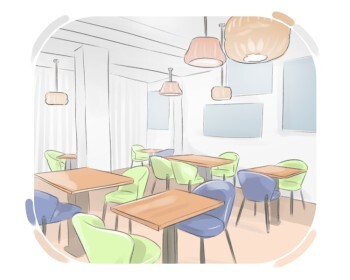
a place, such as a bar, club, or restaurant
lokal, knajpa
to observe someone or something with particular attention or interest

used to show that one agrees with someone's suggestion or statement
no, to już brzmi lepiej
Kiedy Sara zaproponowała taksówkę zamiast spaceru w deszczu, powiedziałem: "No, teraz mówisz do rzeczy."
the act of cheating or exploiting someone, often by overcharging or providing subpar goods or services
oszustwo, ściema
Wyśrubowane ceny w restauracji za przeciętne jedzenie sprawiły, że była to totalna ściema.
![to [be] rolling in (it|money)](https://cdn.langeek.co/photo/60616/thumb/wealthy/350?type=jpeg "to [be] rolling in (it|money)")
to have a great deal of money
opływać w pieniądze, mieć mnóstwo pieniędzy
Nie opływa w pieniądze, ale żyje wygodnie.
to shop for a very long time until one becomes tired

too fancy or costly for someone
zbyt drogie dla kogoś, poza budżetem
Miesięczna opłata jest teraz dla mnie trochę za wysoka.
to severely criticize or condemn someone or something
zmasakrować, ostro skrytykować
Ona zmasakrowała obsługę restauracji na swoim blogu, ostrzegając innych, aby jej unikali.

to look at items displayed in store windows without intending to make a purchase; to browse visually
oglądać wystawy sklepowe, uprawiać window shopping
Para cieszyła się oglądaniem wystaw podczas wakacji, chociaż nic nie kupiła.
a close friend or companion, often used in an informal or affectionate way
brat, kumpel
to get to or reach a particular place
dotrzeć do, osiągnąć
an event, situation, or experience that is wildly entertaining
zabawa, radość
to rely on someone else's resources, typically money or support, without offering anything in return; to live at someone else's expense
żyć na czyjś koszt, pasożytować na
Najwyższy czas, żebyś przestał żerować na mnie i wziął odpowiedzialność za swoje życie.
a person who earns money to support their family, typically the main or sole provider of income
żywiciel rodziny, główny żywiciel
Tradycyjnie mężczyzna był postrzegany jako żywiciel rodziny w wielu gospodarstwach domowych.
to be extremely cold, typically due to harsh or freezing weather
used to telll someone to stop doing something, especially when trying to avoid trouble or when someone is caught in an act
przestań, chowaj się
Próbowałem zwiać, kiedy zobaczyłem, jak moi rodzice schodzą po schodach, ale i tak mnie złapali.
to work at full capacity, handling multiple tasks or responsibilities at once, or performing at one's best in a busy or demanding situation
use to state that someone is in serious trouble or their situation is hopeless, often implying that they are caught or defeated beyond redemption
used to ask about the current situation, activity, or what's happening. It can be a more casual or playful way of checking in
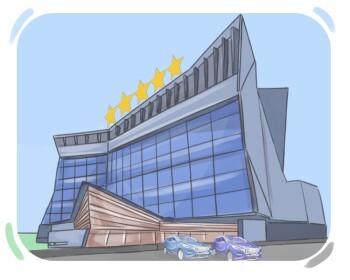
in a very comfortable, expensive, and luxurious way
na wysokiej stopie, luksusowo
Rodzina żyła na wysokiej stopie, gdy firma dobrze prosperowała.
to accept failure or defeat, often used when someone experiences a setback or is humiliated
to be consumed by guilt, regret, or remorse over something that happened in the past
gryźć, pożerać
Zgryzał się z żalu po podjęciu tej decyzji.
to start eating a meal
zabrać się do jedzenia, siadać do jedzenia
Umył ręce, usiadł i zabrał się do jedzenia.
used to suggest altering, modifying, or handling a situation in a way that avoids the exact or proper solution, often by being dishonest or making something up
nieważne, daj spokój
To wszystko to bałagan—ogarnij to, powiedzmy, że na dziś koniec.
to tamper with or alter something in a way that is imprecise or unreliable
majstrować, grzebać
Wciąż majstrowała przy szczegółach projektu, ale nic nie zostało naprawione.
to sell very quickly and in large amounts
used to describe something or someone that is weak, floppy, or lacking in strength, energy, or firmness
to experiment, play, or tinker with something in an aimless or casual way, often in a creative or exploratory manner. It can refer to playing an instrument, brainstorming ideas, or casually working on a task without a clear direction
bawić się, grać bez wyraźnego celu
Programista bawił się kodem, aż znalazł właściwe rozwiązanie.
a foolish, silly, or absentminded person
głupiec, ćwok
Nazwała go głupkiem po tym, jak przypadkowo wsypał sól do kawy zamiast cukru.
(of a person) crazy, irrational, or behaving in an extremely foolish or eccentric way
a person who dampens excitement, enthusiasm, or fun
malkontent, zrzęda
Po co go zapraszać na imprezę? To mokry makaron, który nigdy nie chce robić niczego zabawnego.
used to affectionately refer to a loved one, such as a romantic partner, child, or close friend
kochanie, słodki
Babcia zawsze nazywa mnie swoim słoneczkiem, kiedy ją odwiedzam.
used to describe someone that is extremely kind, charming, or pleasant in manner
