pattern

Cambridge English: CPE (C2 Proficiency) - Fear, Anxiety & Weakness

Review

Flashcards

Forms

Spelling

Quiz

Start learning
Cambridge English: CPE (C2 Proficiency)
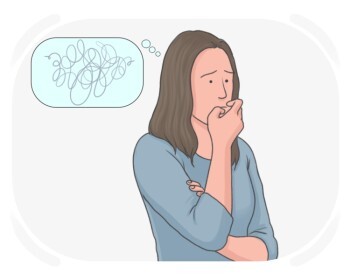
to apprehend

to expect something unpleasant or frightening to happen
Ex: She apprehended the results of the test with growing anxiety. 
Close
Sign in
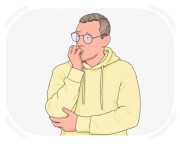
apprehensive
apprehensive
[Adjective]

nervous or worried that something unpleasant may happen

Ex: She felt apprehensive about the upcoming job interview. 
Close
Sign in
to quail
to quail
[Verb]

to experience or express the feeling of fear

Ex: She began to quail at the thought of speaking in front of a large audience. 
Close
Sign in
qualm
qualm
[noun]

a slight feeling of nausea or unease, often temporary

Ex: She suddenly felt a qualm after eating too quickly. 
Close
Sign in
perturbed
perturbed
[Adjective]

feeling anxious, unsettled, or disturbed by something

Ex: His perturbed expression revealed his discomfort with the situation. 
Close
Sign in
jittery
jittery
[Adjective]

having a nervous or restless energy

Ex: The jittery feeling before a big presentation often accompanies increased heart rate and sweaty palms. 
Close
Sign in
timorous
timorous
[Adjective]

lacking bravery and confidence

Ex: Her timorous voice betrayed her anxiety about speaking in public. 
Close
Sign in
on tenterhooks

in a state of great anxiety, suspense, or excitement while waiting for something

Ex: We were on tenterhooks waiting for the exam results. 
Close
Sign in
tremulous
tremulous
[Adjective]

(of the voice or body) shaking in a slight, fragile manner, often due to nerves, fear, age or illness

Ex: Her voice was tremulous as she delivered the speech. 
Close
Sign in
trepidation

a state of nervousness or fear, anticipating that something bad may occur

Ex: As the deadline approached, she felt a sense of trepidation about the upcoming exam. 
Close
Sign in
wince
wince
[noun]

an automatic physical reaction to sudden pain, often involving a slight flinch or tightening of the muscles

Ex: His wince was followed by a quick pull of his hand from the hot pan. 
Close
Sign in
fawning
fawning
[Adjective]

trying to gain someone's approval or affection by giving them excessive praise or attention

Ex: The assistant's fawning compliments annoyed everyone in the office. 
Close
Sign in
obsequious
obsequious
[Adjective]

excessively flattering and obeying a person, particularly in order to gain their approval or favor

Ex: She found his obsequious manner off-putting, as he always agreed with her, no matter what she said. 
Close
Sign in
servile
servile
[Adjective]

very keen to please and obey others

Ex: His servile behavior toward the manager made his colleagues uncomfortable. 
Close
Sign in
to cozy up

to try to gain someone's favor or friendship by acting friendly or affectionate, often in an insincere way

Ex: He tried to cozy up to the manager to get a promotion. 
Close
Sign in
to fawn
to fawn
[Verb]

to show affection or admiration excessively, typically to gain favor or advantage

Ex: The intern would always fawn over the CEO, laughing too loudly at his jokes. 
Close
Sign in
to [curry] favor

to try to gain advantage by flattery or submissive behavior

Ex: He curries favor with the boss by agreeing with everything she says. 
Close
Sign in
subservient
subservient
[Adjective]

ready to obey others unquestioningly, especially those in authority

Ex: His subservient assistant never challenged any of his unreasonable demands. 
Close
Sign in
unctuous
unctuous
[Adjective]

characterized by excessive ingratiation or flattery, often in a way that seems insincere or manipulative

Ex: His unctuous compliments made her question his genuine intentions. 
Close
Sign in
to ingratiate

to bring oneself into favor with someone by trying to please them

Ex: He tried to ingratiate himself with the hiring manager by praising the company's recent success. 
Close
Sign in
craven
craven
[Adjective]

not having even the smallest amount of courage

Ex: The knight's craven behavior shocked the kingdom, as he fled the battlefield leaving his comrades behind. 
Close
Sign in
pusillanimous
pusillanimous
[Adjective]

having a lack of courage or determination

Ex: His pusillanimous response to the criticism made it clear he lacked confidence. 
Close
Sign in
dastardly
dastardly
[Adjective]

extremely cowardly in a way that is cruel, underhanded, or deserving of strong disapproval

Ex: The villain's dastardly attack came without warning. 
Close
Sign in
lily-livered
lily-livered
[Adjective]

lacking courage or resolution

Ex: The lily-livered soldier hesitated to advance despite the commander’s orders. 
Close
Sign in
redoubtable
redoubtable
[Adjective]

causing fear due to greatness or being impressive
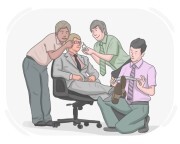
Ex: The redoubtable leader commanded respect from everyone in the room. 
Close
Sign in
toady
toady
[noun]

a person who flatters and obeys others in order to gain favor
Ex: The minister was followed by a crowd of toadies who praised his every decision. 
Close
Sign in
slacker
slacker
[noun]

a person lazy, unmotivated, or consistently avoiding work

Ex: That slacker hasn't done a single assignment this week. 
Close
Sign in
pique
pique
[noun]

a brief, intense feeling of anger, irritation, or resentment

Ex: In a moment of pique, she slammed the door and walked out. 
Close
Sign in
to falter
to falter
[Verb]

to become unsure, weak, or unsteady in purpose, confidence, or action

Ex: She began to falter when asked a difficult question. 
Close
Sign in
to vacillate

to be undecided and not know what opinion, idea, or course of action to stick to
Ex: She is currently vacillating on which college to attend next year. 
Close
Sign in
Achilles' heel

a point of weakness or vulnerability

Ex: Poor communication was the team's Achilles' heel. 
Close
Sign in
LanGeek
Download LanGeek app