
Cambridge IELTS 19 - Académico - Prueba 4 - Escucha - Parte 3 (1)
Aprende vocabulario de la primera parte del Cambridge IELTS 19 Academic, Test 4 Listening Part 3, con palabras y expresiones útiles de esta sección.
Revisión
Tarjetas de memoria
formas
Ortografía
Cuestionario
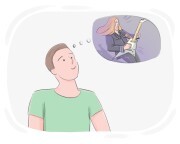
to wait with satisfaction for something to happen

esperar, desear
Siempre espero con ansias las vacaciones, especialmente el ambiente festivo y las comidas deliciosas.
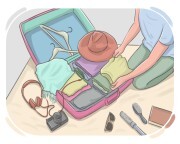
to put things into containers or bags in order to transport or store them
empacar, recoger las cosas para transportarlas
¿Puedes ayudarme a empacar estos archivos en cajas?
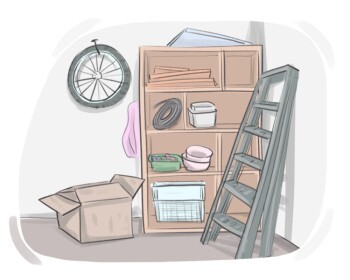
space or a place used for keeping things until they are needed
almacenamiento, espacio de almacenamiento

to decay or deteriorate until no longer suitable for use or consumption
estropearse, echarse a perder
the narrow outer part of a book where the pages and covers are joined
lomo

used to refer to the outcome of a situation if the circumstances were different
de otra manera
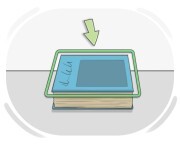
the protective outer page of a magazine or book
portada, cubierta
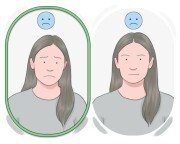
noticeable and easily understood
obvio
La razón de su ausencia era obvia; había llamado para decir que estaba enferma antes.
the outermost surface extending along one edge of an object
lado, costado
to spoil, damage, or destroy something severely
arruinar
a person or company that prepares and makes books, newspapers, magazines, or other works available to the public
editor
to turn yellow in color, often due to factors such as ripening, discoloration, or exposure to certain substances or conditions
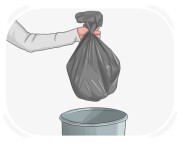
to get rid of unwanted material or waste by leaving it somewhere
tirar
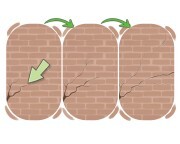
to decline in quality, condition, or overall state
deteriorarse
La salud de las plantas puede deteriorarse si no se les proporciona el cuidado adecuado.
at or to a more advanced point or stage
más allá, más adelante
El equipo decidió investigar más a fondo para encontrar una solución más completa.
to cause someone to remember something or someone, often because of a similarity
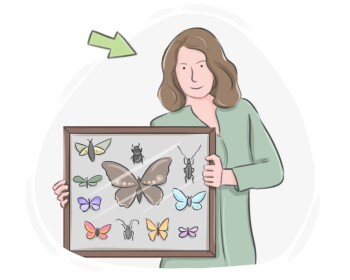
a person who gathers and keeps objects of a particular type, especially as a hobby
coleccionista
to feel sorry or disappointed about something that happened or that one did or failed to do
lamentar, arrepentirse de
to value, love, or care for someone or something very deeply
apreciar, atesorar
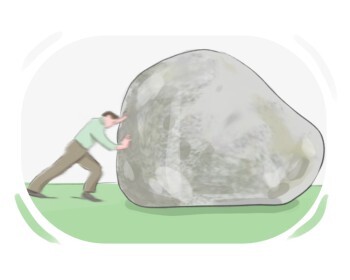
to exert pressure or strength to achieve a particular outcome, often against opposition or resistance
forzar, obligar
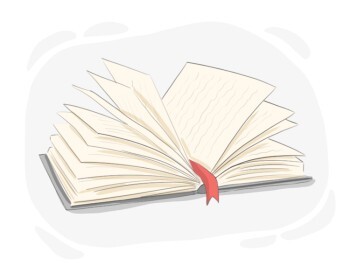
a book with a cover that is made of thick paper
libro en rústica, edición rústica
Recogió un libro de bolsillo de la caja de gangas, emocionado por encontrar una buena lectura a un precio rebajado.
to force or push something or someone in a certain direction
presionar, empujar
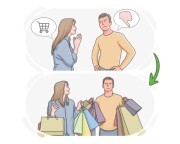
to eventually reach or find oneself in a particular place, situation, or condition, often unexpectedly or as a result of circumstances
acabar, terminar en
Después de varios desvíos, terminamos en la hermosa playa escondida de la que habíamos oído hablar.
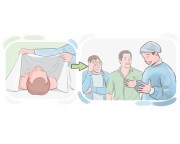
used to express regret or say that something is disappointing or sad
desafortunadamente, lamentablemente
Desafortunadamente, el concierto fue cancelado en el último momento, decepcionando a los fanáticos que habían esperado con ansias el evento.
to remain in a state of good repair or quality
durar, resistir
a book with a cover made from hard material such as cardboard, leather, etc.
libro de tapa dura
Su autobiografía se publicó primero en tapa dura y más tarde en rústica.
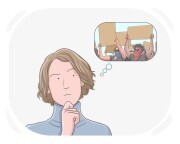
to think or believe that something is possible or true, without being sure
suponer
to regard highly and consider something as important, beneficial, or worthy of appreciation
valorar, apreciar
used to say that something happened frequently or constantly in the past but not anymore
soler
Ella solía ser vegetariana, pero ahora come carne ocasionalmente.
intended to look attractive rather than being of practical use
decorativo
El jarrón ornamentado en la repisa de la chimenea era puramente decorativo, mostrando flores delicadas sin ningún propósito práctico.
used to introduce an additional fact, feature, or point
más
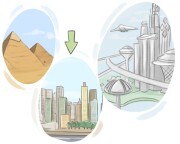
at the present era, as opposed to the past
hoy en día
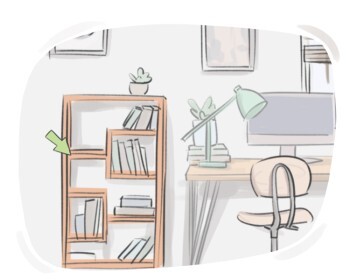
a flat horizontal board or surface used for holding or storing objects
estante, repisa, balda
something that causes disappointment or regret
lástima, pena
to guide or capture someone's focus or interest towards a particular thing
atraer, captar
the protective outer covering of a book, which usually includes the title, author, and artwork or design that reflects the content of the book
cubierta del libro, portada del libro
something that is exceptionally well-crafted, attractively presented, or intricately detailed, often admired for its beauty or creativity
obra de arte, obra maestra
El emplatado del chef convirtió cada plato en una obra de arte, casi demasiado hermosa para comer.
visually striking or captivating
llamativo, que atrae la mirada
El anuncio presentaba gráficos llamativos que captaron inmediatamente el interés del público.
to pick something up and hold with one's hands
agarrando algo
to remove something from a particular place or position
quitar, remover
El médico le indicó al paciente que se quitara el vendaje para el examen.
toward the side and away from the main path
aparte de
a short period of time when a person works for a company to gain experience and learn about a job, usually as part of their education or training
prácticas, colocación laboral
Su prácticas laborales le proporcionaron experiencia real en marketing.
to become loose and separate from something
desprenderse, separarse
La pegatina se desprendió fácilmente al tirar de ella.
without considering any other connected ideas, effects, or situations
