pattern

Essential Vocabulary for TOEFL - Agriculture and Plants

Here you will learn some English words about agriculture and plants, such as "yield", "hay", "reap", etc. that are needed for the TOEFL exam.

Review

Flashcards

Forms

Spelling

Quiz
Start learning
Essential Words Needed for TOEFL
agricultural
agricultural
[Adjective]

related to the practice or science of farming

Ex: Sustainable agricultural methods aim to minimize environmental impact while maximizing productivity .
Close
Sign in
peasant
peasant
[noun]

a farmer who owns or rents a small piece of land, particularly in the past or in poorer countries
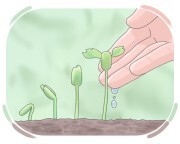
Ex: In many poorer countries , peasants continue to use traditional farming methods handed down from their ancestors .
Close
Sign in
to cultivate

to grow plants or crops, especially for farming or commercial purposes
Ex: Farmers cultivate crops like corn and soybeans in the Midwest .
Close
Sign in
to yield
to yield
[Verb]

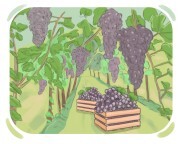
(of a farm or an industry) to grow or produce a crop or product
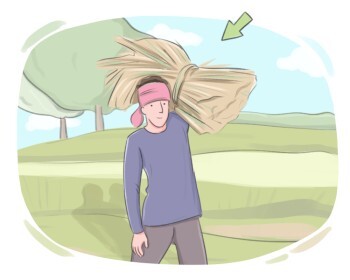
Ex: This vineyard yields high-quality grapes that are used to produce exceptional wines .
Close
Sign in
harvest
harvest
[noun]

the amount of produce gathered from crops during one growing season
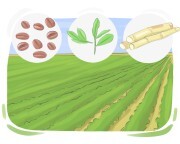
Ex: The corn harvest was affected by unseasonal rains .
Close
Sign in
growing season

a time of the year during which the plants have good condition to grow

Close
Sign in
plantation

a large piece of land used for growing sugar cane, coffee, tea, etc., particularly in a hot country

Ex: A variety of crops can be cultivated on a single plantation.
Close
Sign in
to raise
to raise
[Verb]

to grow or reproduce animals or plants
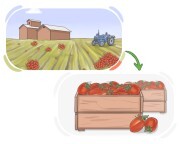
Ex: They raised pigs and kept a pony .
Close
Sign in
to produce

to raise or grow something naturally, in large numbers
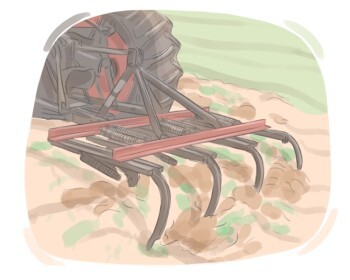
Ex: Under stress , the body produces adrenalin .
Close
Sign in
to plow
to plow
[Verb]

to use a large farming equipment to dig the ground and make it ready for farming
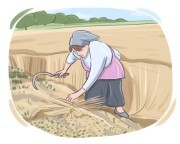
Ex: The farmers plow the field in straight rows to optimize planting efficiency .
Close
Sign in
to reap
to reap
[Verb]

to cut or gather a crop

Ex: He reaps hay from the meadow to feed the livestock during the winter .
Close
Sign in
cereal
cereal
[noun]

any food product made from the starchy grains of cereal grasses

Ex: Breakfast cereals are a convenient form of cereal.
Close
Sign in
crop
crop
[noun]

all the fruit, wheat, etc. harvested during a season
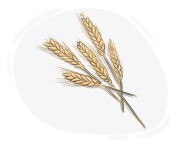
Ex: The rice crop is usually ready for harvest in late autumn .
Close
Sign in
wheat
wheat
[noun]

the common grain that is used in making flour, taken from a cereal grass which is green and tall
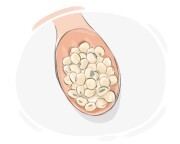
Ex: He avoided products containing wheat due to his gluten sensitivity .
Close
Sign in
soy
soy
[noun]

a leguminous plant rich in protein, used for food, fodder, and protein replacement
Ex: Soy can replace animal protein in many recipes.
Close
Sign in
sugar cane

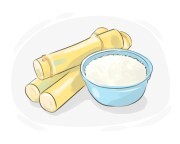
a type of tall tropical plant that sugar can be extracted from its stems
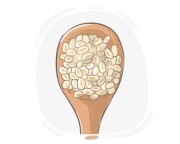
Ex: Many products , such as molasses and ethanol , can be made from sugar cane.
Close
Sign in
barley
barley
[noun]

a single seed or grain of the cereal plant barley
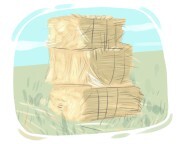
Ex: The soup included a handful of barley for texture .
Close
Sign in
hay
hay
[noun]

cut and dried grass, for animals to feed on
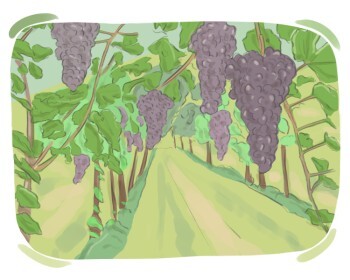
Ex: The farmer sold bundles of hay at the local market to other livestock owners .
Close
Sign in
vineyard
vineyard
[noun]

a piece of land on which grapes are grown to make wine
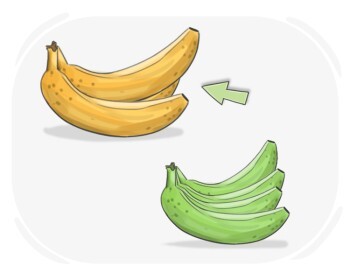
Ex: They planted a small vineyard on their property as a hobby .
Close
Sign in
mill
mill
[noun]

a building in which flour is made out of grain

Close
Sign in
ripe
ripe
[Adjective]

(of fruit or crop) fully developed and ready for consumption
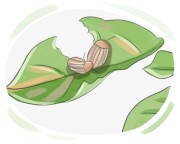
Ex: The tomatoes were perfectly ripe, with a vibrant red color and firm texture .
Close
Sign in
pest
pest
[noun]

an insect or small animal that destroys or damages crops, food, etc.
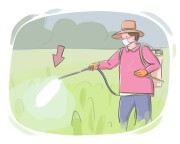
Ex: Farmers use natural predators to reduce the number of pests.
Close
Sign in
pesticide
pesticide
[noun]

a type of chemical substance that is used for killing insects or small animals that damage food or crops
Ex: Excessive use of pesticides can harm beneficial insects and the environment .
Close
Sign in
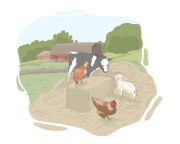
livestock
livestock
[noun]

animals that are kept on a farm, such as cows, pigs, or sheep
Ex: The livestock provided the family with food and income for many years .
Close
Sign in
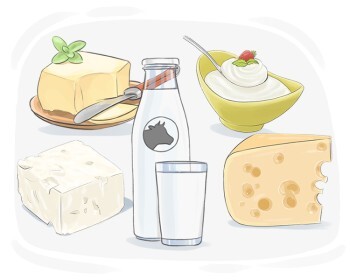
dairy
dairy
[noun]

milk and milk products that are produced by mammals such as cows, goats, and sheep collectively
Ex: Calcium from dairy helps keep bones strong .
Close
Sign in
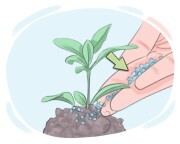
to fertilize

to increase productivity of the soil by spreading suitable substances on it

Ex: Do n't forget to fertilize potted plants regularly to support their growth and vitality .
Close
Sign in
fertilizer

a chemical or natural material that is added to the soil to improve its productivity and help plants grow
Ex: Too much fertilizer can harm plants , so it is important to follow the instructions .
Close
Sign in
barn
barn
[noun]

a large farm building used to keep animals and store crops or feed
Ex: The old barn was renovated to protect the harvest and equipment .
Close
Sign in
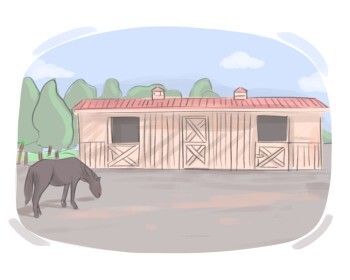
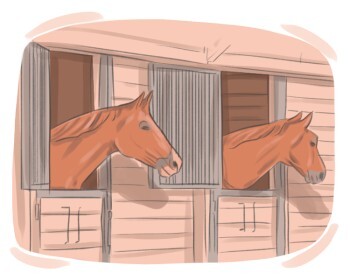
stable
stable
[noun]

a building, typically found on a farm, designed to house horses
Ex: During the storm, the horses sought refuge in the stable, finding comfort and safety in their familiar surroundings.
Close
Sign in
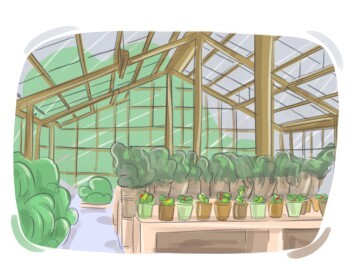
greenhouse

a glass structure used for growing plants in and protecting them from cold weather
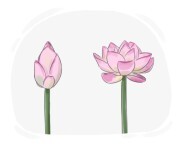
Ex: The school ’s greenhouse is used to teach students about botany .
Close
Sign in
to bloom
to bloom
[Verb]

(of a plant) to produce flowers and display them in full color
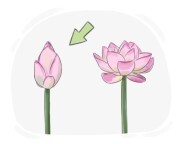
Ex: With the right conditions , the hibiscus plant will bloom year-round .
Close
Sign in
bud
bud
[noun]

a part of a plant from which new flowers, leaves, or stems develop
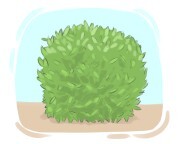
Ex: The plant ’s new buds emerged quickly after being transplanted into a larger pot with fresh soil .
Close
Sign in
bush
bush
[noun]

a type of plant small in size with several stems in the ground
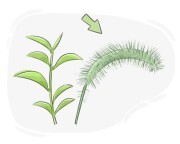
Ex: The children hid behind the bush during their game of hide and seek , enjoying the game ’s excitement .
Close
Sign in
weed
weed
[noun]

any wild and unwanted plant that may harm the process of growth in a farm or garden
Ex: Weeds had started to grow in the cracks of the driveway, giving the area an unkempt appearance.
Close
Sign in
root
root
[noun]

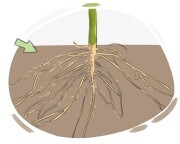
the underground part of a plant that absorbs water and minerals, sending it to other parts
Ex: The herbalist used the root of the herb in the remedy , valuing its medicinal properties .
Close
Sign in
palm
palm
[noun]

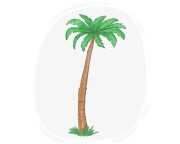
a tropical tree with a big trunk and feather-like or fan-shaped leaves

Ex: The resort was dotted with towering palms, creating a serene and picturesque environment .
Close
Sign in
oak
oak
[noun]

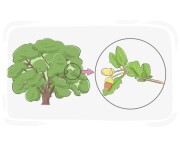
a large tree, known for its strong wood and popular fruit

Ex: The oak tree provided shade and shelter for the animals in the woodland ecosystem.
Close
Sign in
LanGeek
Download LanGeek app