
Architecture and Construction - Ornamental Features in Architecture
Here you will learn some English words related to ornamental features in architecture such as "molding", "groove", and "plaque".
Review
Flashcards
Spelling
Quiz

a narrow piece of plaster, wood, or other material, used as decoration along the top of a wall, around a door, etc.
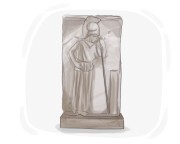
a sculptural technique in which shapes or figures are raised above a flat background
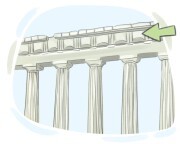
a narrow and decorative border that has engravings or pictures on it, especially above the walls of a room or building
a decorative element in the shape of a stylized flower, often used as an ornament or embellishment in architecture and design
a decorative frame or panel, typically in the shape of an oval or rectangle, used to showcase inscriptions, symbols, or decorative motifs, commonly found in Egyptian and Renaissance architecture
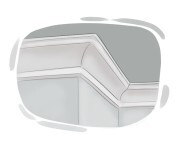
an ornamental border made of plaster or wood, often used around the top of a wall where it meets the ceiling
decorative motifs or patterns characterized by flowing, curving lines resembling scrolls or spirals, often used to adorn architectural elements such as friezes, moldings, and ironwork
a small balcony or railing-like structure typically found on the upper level of a building, often ornamental in nature and providing a decorative accent to the façade
(building) decorative plasterwork, especially designs formed in relief on exterior walls
a curved ornamental feature, typically placed above doorways, windows, or niches, often found in Gothic architecture
a small circular ornament or molding, resembling a ring, used in architectural design for decorative purposes
a decorative molding or band that spans the curved underside of an arch, often adorned with intricate sculptural or ornamental details
decorative elements used in medieval architecture, especially in Romanesque designs
a decorative architectural element or motif consisting of five rounded lobes or petals arranged in a symmetrical design, resembling a five-leafed clover or flower
a small projecting ornament, often in the form of a leaf or a bud, used to decorate the edges or angles of architectural elements such as spires, pinnacles, or gables
the presence of a pointed or cusped feature, typically seen in architectural elements such as arches, tracery, or ornamental designs
a small, rectangular-shaped block or tooth-like projection used as a decorative element in the molding or cornice of a building
a small, pointed, tooth-like ornament often used in architectural detailing, characterized by its sharp, triangular shape resembling the tooth of a dog
a series of vertical grooves or shallow concave channels that are often found on columns, pilasters, or other architectural elements
a long, narrow cut or indentation, often linear in shape, that is typically found on surfaces such as columns, moldings, or panels in architectural design
a decorative architectural element positioned at the front of a building, often serving as an entrance or decorative feature
a sunken decorative panel, typically square or rectangular in shape, that is used to adorn ceilings, domes, or vaults in architecture
a small, rectangular or cone-shaped decorative element typically found on the underside of the triglyphs in a Doric frieze
a continuous, repeating design made of straight lines and right angles, often seen in Greek art and architecture
a decorative hanging ornament or pendant-shaped element that is suspended from a ceiling or structure
a decorative element or motif consisting of four overlapping circles or lobes that form a symmetrical shape resembling a four-leaf clover
a decorative motif in architecture and design that consists of interlacing or overlapping bands or straps, often in a geometric or scrolling pattern
a decorative motif or pattern resembling the shape or design of the ancient strigil tool
a decorative molding or edging characterized by a series of small, rounded or elongated shapes resembling beads, often used to add detail and visual interest to surfaces or edges
a decorative molding or profile that consists of a semi-circular shape or a series of small beads, often used to create a decorative border or separation between two surfaces
a raised, projecting molding or frame with a distinctive profile, often used around doors, windows, or paneling to create a decorative and three-dimensional effect on the surface
a rounded molding or trim used for edging or ornamenting furniture and woodwork
a projecting or ornamental feature resembling the beak of a bird, typically found at the end or corner of a roof, canopy, or gable
a type of molding that is typically used at the junction between a wall and a ceiling or between different architectural elements
a rounded molding with a convex quarter-circle cross-section, used as a decorative element to add elegance and visual appeal to various architectural features
a replica, copy, or reproduction of a decorative element or architectural detail, often created for restoration or preservation purposes
a decorative motif or molding consisting of convex, rounded, or scalloped shapes that are typically repeated in a regular pattern
a small, recessed detail or groove used to create a visual transition or decorative element between different architectural features
a small, dome-like or vaulted structure, often used as a decorative element or as a covering for a specific area
a slender, elongated architectural feature, decorative or functional, typically made of stone, metal, or wood
decorative ornamental elements, such as finials or small sculptures, often found along the ridge or top edge of a roof or wall, adding visual interest and architectural detail
a sculpted or decorative element that is placed at the end or termination point of a structure, such as a column, pilaster, or balustrade
a circular or oval decorative element used in architecture and design to add ornamental detail, often featuring intricate patterns or symbols
a decorative element or motif resembling a cushion or pillow, often used to adorn the bases or capitals of columns, pilasters, or other architectural features
the art of using plaster to create intricate and decorative designs, enhancing the aesthetic appeal of architectural interiors
a decorative structure, often made of fabric or richly adorned materials, supported by columns or suspended from the ceiling, used to cover or highlight an important object or area, such as an altar or a throne
a decorative band or molding found at the top of a column, typically serving as a transition between the shaft and the capital
a board made of stone, wood, etc. with writings on it, attached to a building to honor an important person or event
a groove or recessed groove-like feature, often found on columns, moldings, or other architectural elements, adding decorative or functional detail to the surface
a vertical groove or rib, often decorative, resembling a reed stem, found on columns, pilasters, or other architectural elements
a long, narrow groove or linear marking, often found on surfaces such as walls or columns, adding texture or decorative detailing to the architectural element
a decorative motif based on the deeply lobed leaves of the acanthus plant, especially in classical architecture
a concave or curved profile or molding used as a transitional element between different parts of a building or between different architectural features
a concave, curved molding that gradually decreases in diameter from top to bottom, often used for decorative purposes on columns and other architectural elements
a spiral or scroll-like architectural ornament, typically found at the top of a column capital, staircase railing, or decorative molding
a decorative molding or curved section that is typically installed along the meeting point of a wall and ceiling to add aesthetic appeal and create a smooth transition
a narrow, rounded, or beveled strip used to create a smooth or decorative transition between surfaces
