
Cambridge English: CPE (C2 Proficiency) - Smutek, Lítost a Apatie
Naučte se pokročilou slovní zásobu CPE pro smutek, lítost a apatii, včetně zármutku, výčitek svědomí, zklamání, lhostejnosti, emočního odstupu a nedostatku motivace.
Revize
Kartičky
Pravopis
Kvíz


to express great regret or sorrow for something

naříkat, oplakávat
Naříkal nad tím, jak nová politika negativně ovlivnila zaměstnance.
deeply saddened because of the death or loss of someone close
zarmoucený, truchlivý
Byl příliš zarmoucený, aby promluvil na pamětní slavnosti.
the deep sadness and grief experienced after losing someone close through death or separation
zármutek, žal
Dobročinná organizace nabízí podporu těm, kteří jsou v truchlění.
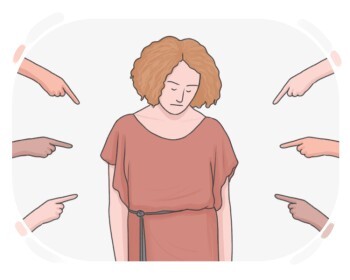
a state of embarrassment due to failing, getting humiliated, or disappointed
zklamání, ponížení
Její zklamání bylo zřejmé, když zjistila, že omylem poslala e-mail nesprávnému příjemci.
a feeling of guilt that follows the doing of something wrong
výčitky svědomí, lítost
Její výčitky svědomí ji přiměly se okamžitě omluvit.
expressing or experiencing deep regret or guilt because of a wrong act that one has committed
kající, lítostivý
Kající prohlášení obžalovaného mělo za cíl získat shovívavost od soudce.

feeling disappointed and sad, especially due to experiencing an unexpected failure
sklíčený, odražený
Stala se sklíčenou, když zjistila, že její umělecké dílo bylo poškozeno.

feeling dissatisfied, often due to a sense of unfair treatment or disappointment
nespokojený, frustrovaný
Nespokojený zaměstnanec během schůzky vyjádřil frustraci z nových politik společnosti.
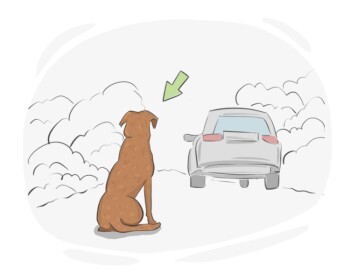
feeling abandoned or hopeless
beznadějný, opuštěný
Vypadala opuštěně, když seděla sama v parku a dívala se, jak si ostatní užívají svou společnost.
filled with grief and sorrow
žalostný, smutný
Jeho hlas zněl smutně, když mluvil o ztrátě.
tearful or prone to crying
slzavý, ukňučený
Navzdory veškerému úsilí zůstat klidná ji během dojemného projevu přemohly její slzavé emoce.
extremely sorrowful and serious
ponurý, smutný
Ponuré barvy obrazu vyjadřovaly pocit hluboké melancholie.
a state of feeling sad, low on energy, or unmotivated
sklíčenost, deprese
Změna scenérie mu pomohla dostat se z doldrums a znovu získat nadšení pro život.

a feeling of regret or sadness over something wrong done or a missed opportunity
lítost, výčitky svědomí
Jeho lítost za zradu jejich důvěry ho nikdy neopustila.
expressing sorrow for having done wrong
kající, lítostivý
Její kající slzy byly jasným znamením jejího upřímného lítosti.
expressing longing or yearning tinged with sadness or melancholy, often for something unattainable or lost
toužebný, melancholický
Poslouchaje zvuk dětí hrajících si venku, se nemohl zbavit toužebného pocitu stýskání po svém vlastním dětství.
serious in mood, often reflecting sadness
ponurý, smutný
Pronesl ponurý projev o výzvách, které nás čekají.
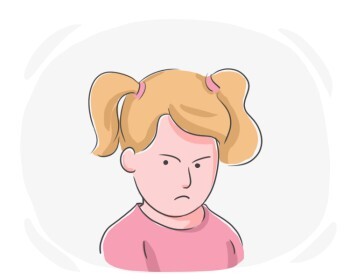
bad-tempered, gloomy, and usually silent
zamračený, mrzutý
Jeho mrzutý výraz jasně ukazoval, že není spokojen s rozhodnutím, ale neřekl nic.
a state of feeling no emotion or excitement
apatie, lhostejnost
Zírala před sebe s apatii, nehybná oslavou.
a state of sluggishness and lack of energy
netečnost, letargie
Po velkém jídle ho přikryla vlna otupělosti a on usnul na pohovce.
weak from or as if from exhaustion
ochablý, zesláblý
Kočka se protáhla líně předtím, než se vrátila ke spánku.
a feeling of being bored, tired, or dissatisfied because nothing interesting or exciting is happening
nuda
Snažil se uniknout nudě své každodenní rutiny cestováním do exotických destinací.
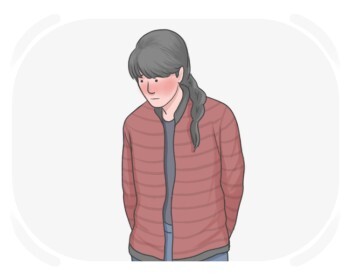
shyness due to a lack of confidence in oneself
nesmělost, nedostatek sebevědomí
Navzdory jeho talentu mu jeho nesmělost zabránila v konkurzu na hlavní roli.
having a sullen, gloomy, or pessimistic disposition
ponurý, pesimistický
Ponurá hudba hrající v pozadí zvýraznila ponurý tón filmu.
(of a place) dark and depressing, causing an uneasy feeling
ponurý, melancholický
Popsali starý hřbitov jako místo s ponurým půvabem.
having or showing little to no emotions
nepohnutý, stoický
Vypadala netečně, zatímco se kolem ní rozvíjel chaos, zdánlivě nedotčená.
having an unconcerned attitude, especially in situations where others might feel worried
bezstarostný, lhostejný
Procházela se přeplněnou ulicí s bezstarostným úsměvem, nedbajíc na rušný svět kolem sebe.
staying calm and displaying little or no interest or emotions
klidný, flegmatický
Seděla tam s klidným výrazem, nedotčena vzrušením kolem sebe.
showing a casual lack of concern, as if nothing is particularly important or worth worrying about
lhostejný, bezstarostný
Mluvil lhostejným tónem, jako by ho nic nemohlo překvapit.
having an excessive emotional quality, often in a way that seems overly sentimental or self-pitying
slzavý, přecitlivělý
Kritici označili knihu jako sladkobolnou kvůli jejím příliš emocionálním scénám.
an individual who is avoided and not liked, accepted, or respected by society or a group of people
parij, vyvrhel
Neetické praktiky společnosti z ní udělaly pariu v odvětví, což vedlo k rozsáhlým bojkotům.

(of people) feeling very lonely and sorrowful, particularly as a result of a loss
zoufalý, zarmoucený
Ztráta práce ji nechala opuštěnou a nejistou ohledně budoucnosti.
showing sadness, typically in a mild manner
žalostný, melancholický
Její hlas byl kvílivý, když vyprávěla své vzpomínky.
