pattern

Cambridge IELTS 19 - Academic - Test 1 - Čtení - Úryvek 2 (2)

Učte se slovní zásobu z druhé části Cambridge IELTS 19 Academic, Test 1 Reading Passage 2, s užitečnými slovy a výrazy z textu.

Revize

Kartičky

tvary

Pravopis

Kvíz

Začněte se učit
Cambridge IELTS 19 - Academic
to surrender
to surrender
[sloveso]

to stop fighting or resisting and accept defeat

vzdát se

vzdát se

Ex: The rebels surrendered after running out of supplies. 
in addition
in addition
[Příslovce]

used to introduce further information

navíc, kromě toho

navíc, kromě toho

Ex: The event was well-organized; the decorations, in addition, were stunning. 

Akce byla dobře organizovaná; navíc byly dekorace úchvatné.

retaliation
retaliation
[Podstatné jméno]

the act of taking revenge or responding to an injury or wrongdoing with a similar action

odveta, pomsta

odveta, pomsta

Ex: The community took action in retaliation for the unjust treatment. 

Komunita podnikla kroky jako odvetu za nespravedlivé zacházení.

state
state
[Přídavné jméno]

provided or controlled by the government

státní, veřejný

státní, veřejný

Ex: The state schools are funded by the government. 
to resort
to resort
[sloveso]

to turn to or use something as a solution or means of help, especially as a last option

uchýlit se, přistoupit

uchýlit se, přistoupit

Ex: When negotiations failed, they had to resort to legal action to resolve the dispute. 
wartime
wartime
[Podstatné jméno]

a period during which an open war is underway

válečná doba, období války

válečná doba, období války

to employ
to employ
[sloveso]

to give work to someone and pay them

zaměstnat, najmout

zaměstnat, najmout

Ex: Are you planning to employ any interns this summer? 
to serve
to serve
[sloveso]

to be employed or work as a member of the military or armed forces

sloužit, být v službě

sloužit, být v službě

Ex: He decided to serve in the army after graduating from high school. 
to prepare
to prepare
[sloveso]

to make a person or thing ready for doing something

připravit, chystat
připravit, chystat

Ex: He prepares his outfit the night before to save time in the morning. 
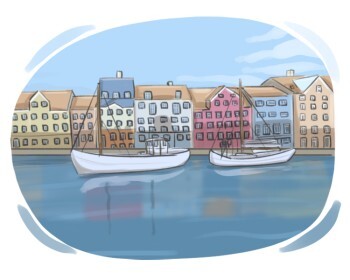
harbor
harbor
[Podstatné jméno]

a sheltered area of water where ships and boats can anchor or remain safely

přístav,  přístaviště

přístav, přístaviště

Ex: The ship remained in the harbor until the weather improved. 
in return
in return
[Příslovce]

as a response or exchange for something given or received

na oplátku, výměnou

na oplátku, výměnou

Ex: He offered his assistance in return for a favor later. 

Nabídl svou pomoc výměnou za laskavost později.

to boost
to boost
[sloveso]

to increase or improve the progress, growth, or success of something

zvýšit, zlepšit

zvýšit, zlepšit

Ex: She took a course to boost her skills and advance her career in graphic design. 
maneuverable
maneuverable
[Přídavné jméno]

capable of being easily moved or directed

obratný, snadno ovladatelný

obratný, snadno ovladatelný

Ex: He had a maneuverable kayak that he could handle easily in the rapids. 

Měl obratný kajak, který mohl snadno ovládat v peřejích.

highly
highly
[Příslovce]

in a favorable or approving manner

vysoce, nesmírně

vysoce, nesmírně

Ex: The new policy has been highly welcomed by environmental groups. 

Nová politika byla velmi příznivě přijata environmentálními skupinami.

Portuguese
Portuguese
[Podstatné jméno]

a person from Portugal or of Portuguese descent

Portugalec, Lusitánec

Portugalec, Lusitánec

Ex: There were several Portuguese tourists at the beach that day. 

Ten den bylo na pláži několik portugalských turistů.

record
record
[Podstatné jméno]

an item that provides lasting evidence or information about past events, actions, or conditions

záznam, archiv

záznam, archiv

Ex: The diary served as a personal record of her daily life and thoughts. 
named
named
[Přídavné jméno]

specifically mentioned or identified by name

jmenovaný, určený

jmenovaný, určený

Ex: In the press release, several named individuals were credited for their contributions. 

V tiskové zprávě bylo několik jmenovaných jednotlivců oceněno za jejich příspěvky.

rule
rule
[Podstatné jméno]

the period during which a monarch, leader, or government has control or authority over a country or territory

vláda, panování

vláda, panování

Ex: The rule of the king lasted for over four decades. 
extract
extract
[Podstatné jméno]

a short portion or segment taken from a larger work, such as a book, speech, or document

výňatek, úryvek

výňatek, úryvek

Ex: The book includes an extract from the author's early writings. 
diplomatic
diplomatic
[Přídavné jméno]

related to the work of keeping or creating friendly relationships between countries

diplomatický, související s diplomacií

diplomatický, související s diplomacií

Ex: Diplomatic immunity protects diplomats from prosecution in host countries. 
correspondence
correspondence
[Podstatné jméno]

written communication exchanged between people or organizations, especially letters or emails

korespondence,  dopisování

korespondence, dopisování

Ex: Their correspondence continued for more than twenty years. 
ally
ally
[Podstatné jméno]

a person who supports or helps someone, especially against opposition or in a difficult situation

spojenec,  spojenkyně
spojenec, spojenkyně

Ex: Having an ally at work made the situation easier to handle. 
pressing
pressing
[Přídavné jméno]

requiring immediate attention due to something's urgency or importance

naléhavý, důležitý

naléhavý, důležitý

Ex: We must address the pressing issue of climate change to ensure the planet's future. 

Musíme řešit naléhavý problém změny klimatu, abychom zajistili budoucnost planety.
to trouble
to trouble
[sloveso]

to create problems for someone, resulting in hardship

způsobovat potíže, znepokojovat

způsobovat potíže, znepokojovat

Ex: The financial crisis troubled many families. 
distinct
distinct
[Přídavné jméno]

separate and different in a way that is easily recognized

odlišný, rozdílný

odlišný, rozdílný

Ex: The company's logo has a distinct design, making it instantly recognizable. 

Logo společnosti má výrazný design, díky čemuž je okamžitě rozpoznatelné.
despite
despite
[předložka]

used to show that something happened or is true, even though there was a difficulty or obstacle that might have prevented it

navzdory, přestože
navzdory, přestože

Ex: The business thrived despite the economic downturn. 
substantial
substantial
[Přídavné jméno]

significant in amount or degree

významný, podstatný

významný, podstatný

Ex: The scholarship offered substantial financial assistance to students in need. 

Stipendium poskytovalo významnou finanční pomoc potřebným studentům.

disruption
disruption
[Podstatné jméno]

an action that causes a delay or interruption in the ongoing continuity of an activity or process

přerušení, narušení

přerušení, narušení

Ex: The software update resulted in a temporary disruption of service. 

Aktualizace softwaru způsobila dočasné přerušení služby.

regional
regional
[Přídavné jméno]

involving a particular region or geographic area

regionální, místní

regionální, místní

Ex: The company has several regional offices across the country. 
commerce
commerce
[Podstatné jméno]

the activity of buying and selling goods and services, especially on a large scale

obchod

obchod

Ex: Online commerce has changed how many companies reach customers. 
Cyprus
Cyprus
[Podstatné jméno]

an island country in the eastern Mediterranean Sea, known for its rich history, ancient ruins, and a mix of Greek and Turkish cultural influences

Kypr, ostrov Kypr

Kypr, ostrov Kypr

Ex: Cyprus is famous for its beautiful beaches and warm climate. 

Kypr je proslulý svými krásnými plážemi a teplým podnebím.
to reject
to reject
[sloveso]

to refuse to accept a proposal, idea, person, etc.

odmítnout, zamítnout

odmítnout, zamítnout

Ex: He rejected the first draft of the report, asking for major revisions. 
claim
claim
[Podstatné jméno]

a statement about the truth of something without offering any verification or proof

tvrzení, prohlášení

tvrzení, prohlášení

Ex: His claim that he had seen a UFO was met with skepticism. 
to base
to base
[sloveso]

to situate or establish as a central location for operations, activities, or planning

zakládat, zřizovat

zakládat, zřizovat

Ex: The company decided to base its regional headquarters in the bustling city for better accessibility. 
modern-day
modern-day
[Přídavné jméno]

of or belonging to the present time

moderní, současný

moderní, současný

Ex: The film portrays a modern-day version of the classic tale. 

Film zobrazuje moderní verzi klasického příběhu.
to assure
to assure
[sloveso]

to make someone feel certain, confident, or less worried about something

ujistit,  uklidnit
ujistit, uklidnit

Ex: The security measures assured visitors of their safety. 
to punish
to punish
[sloveso]

to make someone suffer a penalty or unpleasant consequence for wrongdoing

potrestat, trestat

potrestat, trestat

Ex: The school is punishing students who deliberately damage its property. 
subject
subject
[Podstatné jméno]

a person who is under the rule or authority of a monarch, government, or leader

poddaný, občan

poddaný, občan

Ex: The king's subjects admired him for his wisdom. 
Greek
Greek
[Přídavné jméno]

belonging or relating to Greece, its people, or its language

řecký, helénský
řecký, helénský

Ex: Greek cuisine is well-known for its fresh and flavorful dishes. 
world
world
[Podstatné jméno]

a specific historical, cultural, or social domain, often referring to a particular period or civilization

svět, vesmír

svět, vesmír

Ex: The ancient world had very different social structures and technologies. 
Egyptian
Egyptian
[Přídavné jméno]

relating to Egypt, its people, culture, or language

Ex: She is especially interested in Egyptian architecture. 
ruler
ruler
[Podstatné jméno]

a person who governs or controls a country or territory

vládce,  panovník

vládce, panovník

Ex: She became one of the most powerful rulers of her time. 
aspect
aspect
[Podstatné jméno]

a specific part or side of something that is worth considering

aspekt, stránka
aspekt, stránka

Ex: From a historical aspect, the building holds great significance in the city. 
warfare
warfare
[Podstatné jméno]

involvement in war, particularly using certain methods or weapons

válka, ozbrojený konflikt

válka, ozbrojený konflikt

Ex: Psychological warfare aims to demoralize the enemy, using propaganda and misinformation to weaken their resolve. 

Psychologická válka má za cíl demoralizovat nepřítele, využívá propagandu a dezinformace k oslabení jeho odhodlání.

interestingly
interestingly
[Příslovce]

in a way that arouses one's curiosity or attention

zajímavě,  zvědavě

zajímavě, zvědavě

Ex: Interestingly, the movie was filmed entirely in one location, adding a unique aspect to the storytelling. 

Zajímavé je, že film byl natočen výhradně na jednom místě, což příběhu dodává jedinečný aspekt.

work
work
[Podstatné jméno]

a painting, piece of music or book that is produced by a painter, musician, or writer

dílo, práce

dílo, práce

Ex: Each work in the artist's collection tells a unique story. 
the Iliad
the Iliad
[Podstatné jméno]

an ancient Greek epic poem by Homer that tells the story of the Trojan War

Ilias, starověký řecký epický básník Homéra

Ilias, starověký řecký epický básník Homéra

Ex: The Iliad is studied in schools for its depiction of heroism and the consequences of rage. 

Ilias je studována ve školách pro její zobrazení hrdinství a následků hněvu.

the Odyssey
the Odyssey
[Podstatné jméno]

an ancient Greek epic poem telling the story of Odysseus' long and adventurous journey home after the Trojan War

odyssea, epos o Odysseovi

odyssea, epos o Odysseovi

Ex: In the Odyssey, Odysseus faces many challenges, including encounters with mythical creatures. 

V Odysseji čelí Odysseus mnoha výzvám, včetně setkání s mytickými bytostmi.
to condone
to condone
[sloveso]

to accept or forgive something that is commonly believed to be wrong

tolerovat, odpustit

tolerovat, odpustit

Ex: Failing to confront or address discriminatory remarks within a community may unintentionally condone such behavior. 

Nedokázat čelit nebo řešit diskriminační poznámky v rámci komunity může neúmyslně tolerovat takové chování.

to praise
to praise
[sloveso]

to express approval or admiration for someone or something

chválit

chválit

Ex: Several customers praised the restaurant's friendly service. 
following
following
[Přídavné jméno]

coming immediately after a person or thing in time, place, or rank

následující

následující

Ex: The following paragraph provides additional information about the topic. 
historian
historian
[Podstatné jméno]

a person who studies, researches, or writes about history

historik,  historička

historik, historička

Ex: The book was written by a respected military historian. 
for instance
for instance
[Příslovce]

used to introduce an example of something mentioned

například, kupříkladu

například, kupříkladu

Ex: There are many exotic fruits available in tropical regions, for instance, mangoes and papayas. 

V tropických oblastech je k dispozici mnoho exotických plodů, například, manga a papáje.

glorified
glorified
[Přídavné jméno]

given an exaggerated or excessively favorable view, often elevating something to a higher status than it deserves

oslavovaný,  přehnaný

oslavovaný, přehnaný

Ex: The glorified image of the hero in the movie did not reflect the true events. 

Zveličený obraz hrdiny ve filmu neodrážel skutečné události.

daring
daring
[Přídavné jméno]

brave enough to take risks and do dangerous things

odvážný, smělý

odvážný, smělý

Ex: The daring journalist uncovered the truth behind the corrupt politician's schemes. 

Odvážný novinář odhalil pravdu za schématy zkorumpovaného politika.

everyday life
everyday life
[Podstatné jméno]

the normal and routine activities and experiences that happen each day to people

každodenní život, běžný život

každodenní život, běžný život

Ex: Cooking dinner and commuting to work are parts of everyday life for many people. 

Vaření večeře a dojíždění do práce jsou součástí každodenního života pro mnoho lidí.

high-ranking
high-ranking
[Přídavné jméno]

having a senior, important, or authoritative position within a particular hierarchy or organization

vysoký postavení, vysoké hodnosti

vysoký postavení, vysoké hodnosti

Ex: The high-ranking judges presided over the most significant legal cases. 

Vysoce postavení soudci předsedali nejvýznamnějším soudním případům.

to engage
to engage
[sloveso]

to take part in or become involved with something actively

zúčastnit se, zapojit se

zúčastnit se, zapojit se

Ex: The government engaged with citizens to understand their concerns. 
according to
according to
[předložka]

in regard to what someone has said or written

podle, dle

podle, dle

Ex: According to the weather forecast, it will rain tomorrow. 

Podle předpovědi počasí bude zítra pršet.

orator
orator
[Podstatné jméno]

a person who is skilled at public speaking, especially one who delivers speeches in a formal or persuasive manner

řečník, přednášející

řečník, přednášející

Ex: The orator's words resonated with everyone in the crowd. 

Slova řečníka rezonovala s každým v davu.

Aathenian
Aathenian
[Přídavné jméno]

relating to Athens, its people, or its culture, especially in ancient Greece

athénský, vztahující se k Athénám

athénský, vztahující se k Athénám

Ex: Athenian culture greatly influenced the development of Western civilization. 

Athénská kultura výrazně ovlivnila vývoj západní civilizace.
ambassador
ambassador
[Podstatné jméno]

a senior diplomatic official who represents their country in another country or at an international organization

velvyslanec,  velvyslankyně

velvyslanec, velvyslankyně

Ex: The ambassador gave a speech at the international conference. 
detour
detour
[Podstatné jméno]

a change or diversion from the planned path, often due to unexpected obstacles or circumstances

objížďka, obchvat

objížďka, obchvat

Ex: After taking a detour through the countryside, we reached our hotel. 

Po objížďce venkovem jsme dorazili do našeho hotelu.

to capture
to capture
[sloveso]

to seize or get control of something by force

dobýt, zmocnit se

dobýt, zmocnit se

Ex: The army captured the fortress after a long battle. 
wealth
wealth
[Podstatné jméno]

a large amount of valuable material possessions or financial resources

bohatství,  jmění

bohatství, jmění

Ex: Her wealth comes from a diversified portfolio of stocks and real estate. 
on-board
on-board
[Přídavné jméno]

located or provided on a ship, aircraft, or other vehicle

palubní, na palubě

palubní, na palubě

Ex: The cruise ship's on-board entertainment included live shows. 

Zábava na palubě výletní lodi zahrnovala živá vystoupení.

liberal
liberal
[Přídavné jméno]

related to or characteristic of a political ideology that emphasizes individual freedoms, equality, and government intervention for social welfare and economic opportunity

liberální

liberální

Ex: His liberal views prioritize tolerance, diversity, and progressive social change. 
approach
approach
[Podstatné jméno]

a way of doing something or dealing with a problem

přístup, metoda

přístup, metoda

Ex: The teacher's approach to discipline focuses on positive reinforcement. 
to tolerate
to tolerate
[sloveso]

to not oppose or prohibit something one does not like or agree with

tolerovat, snášet

tolerovat, snášet

Ex: The principal explained that the school would not tolerate bullying in any form, emphasizing a zero-tolerance policy. 
to curtail
to curtail
[sloveso]

to place limits or boundaries on something to reduce its scope or size

omezit, snížit

omezit, snížit

Ex: Changes to the policy have curtailed the misuse of resources. 

Změny v politice omezily zneužívání zdrojů.

LanGeek
Stáhnout aplikaci LanGeek