
Cambridge IELTS 19 - Akademický - Test 2 - Čtení - Úryvek 1 (1)
Zde najdete slovní zásobu z Testu 2 - Čtení - Pasáž 1 (1) v učebnici Cambridge IELTS 19 - Academic, která vám pomůže připravit se na vaši zkoušku IELTS.
Revize
Kartičky
tvary
Pravopis
Kvíz
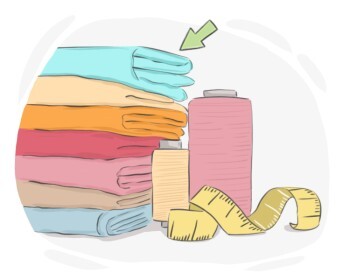
any type of knitted, felted or woven cloth

textil, látka
Společnost se specializuje na ekologické textilie.

the core principles or base upon which something is started, developed, calculated, or explained
základ, báze
Pochopení kulturní rozmanitosti je základem efektivní komunikace v globalizovaném světě.
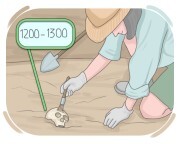
to have origins or existence that extends to a specific earlier time
pocházet z, datovat se do
Stavba historického sídla sahá do počátku 19. století.
a machine that uses steam made from boiling water to produce power and make parts move
parní stroj, parní motor
Starý vlak byl poháněn parním strojem.
having a connection to or originating in the Earth's atmosphere
atmosférický, související s atmosférou
Atmosférické znečištění z továren a vozidel přispívá k problémům s kvalitou ovzduší v městských oblastech.
at the initial state, purpose, or condition of something before any changes occurred
původně, zpočátku
Původně plánovala studovat právo, ale přešla na medicínu.

to supply with the needed energy to make something work
napájet, zásobovat energií
Elektrická auta jsou poháněna dobíjecími bateriemi, což z nich činí ekologickou dopravní možnost.
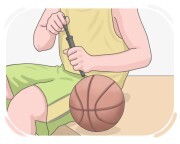
to make gas or liquid move in a certain direction using a mechanical action
čerpat, přepravovat
Musel napumpovat vzduch do pneumatik jízdního kola, aby zajistil plynulou jízdu.
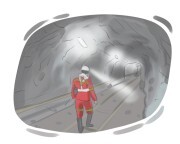
a deep hole or large tunnel in the ground where workers dig for salt, gold, coal, etc.
důl, šachta
Diamantový důl v Africe byl známý svými vzácnými drahokamy.
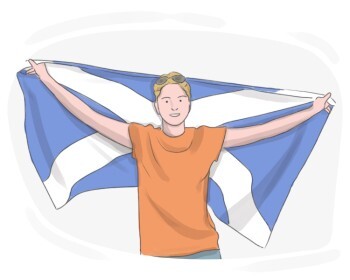
belonging or relating to Scotland, its people, or the Gaelic language
skotský, vztahující se ke Skotsku
Básník Robert Burns je oslavovanou postavou skotské literatury.

a person who designs, fixes, or builds roads, machines, bridges, etc.
inženýr, technik
Inženýr dohlíží na stavbu a údržbu silnic a mostů.
to change something in a way that suits a new purpose or situation better
přizpůsobit, adaptovat
Společnost v současné době přizpůsobuje funkce svého produktu na základě zpětné vazby od zákazníků.
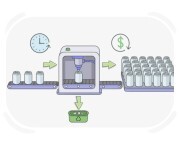
(of a system or machine) achieving maximum productivity without wasting much time, effort, or money
efektivní, výkonný
a person, company, or country that produces large numbers of products
výrobce, producent
Známý výrobce hraček uvedl na trh řadu ekologických produktů pro děti.
to generate the power necessary to make a machine work
pohánět, uvádět do pohybu
Motor pohání dopravní pás v továrně.
a solid, round part that moves back and forth inside a hollow tube in an engine or machine, helping to push or pull gases or liquids, or to turn pressure into movement
píst, plunžr
Čerpadlo používá píst k pohybu vody.
(of a country, region, or a process) to yield, supply, or bring forth
produkovat, dodávat
Kalifornské vinice produkují vynikající vína.
a type of movement where something turns or spins around a central point or line
rotační pohyb, otáčivý pohyb
Kolo se pohybuje rotačním pohybem.
a method, product, way of doing something, etc. that is newly introduced
inovace, novinka
Chytrý telefon byl považován za převratnou inovaci, když byl poprvé uveden na trh.
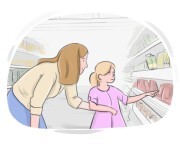
costumer's need or desire for specific goods or services
poptávka
Pandemie vedla ke změně poptávky po online nakupování a doručovacích službách.

a type of fossil fuel, which is black and found in the ground, typically used as a source of energy
uhlí, černé uhlí
Uhlí bylo po staletí klíčovým zdrojem energie a hrálo významnou roli v napájení průmyslu a výrobě elektřiny po celém světě.
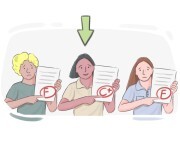
to a specific degree, particularly when compared to other similar things
relativně, srovnatelně
Jeho vysvětlení bylo relativně jasné, i když stále trochu matoucí.
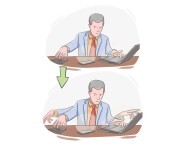
in a way that is very quick and often unexpected
rychle, bystře
Rychle dokončila domácí úkoly před večeří.
to cause engines or machines to operate, function, or perform their designated tasks
spustit, provozovat
Spustil pračku, aby vyčistil své oblečení.
working by using the force of steam made from boiling water
parou poháněný, poháněný parou
Parní loď přeplula moře.
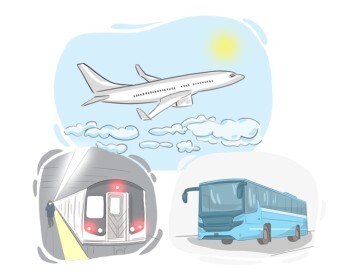
a system or method for carrying people or goods from one place to another by cars, trains, etc.
doprava
Vláda investovala do ekologické dopravy.
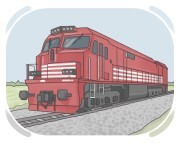
a powered railroad vehicle that pulls a train along
lokomotiva, vlakový stroj
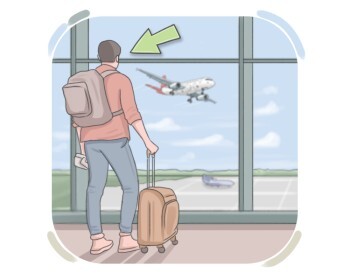
someone traveling in a vehicle, aircraft, ship, etc. who is not the pilot, driver, or a crew member
cestující, pasažér
Cestující na výletní lodi si užil výhled na oceán ze své kabiny.
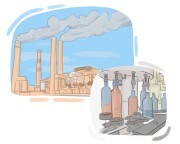
related to the manufacturing or production of goods on a large scale
průmyslový, industriální
Průmyslový design se zaměřuje na vytváření produktů, které jsou funkční a esteticky příjemné.
the period of time in the 18th and 19th centuries that machines were used for the first time for mass production of goods, started in Britain
průmyslová revoluce, Průmyslová revoluce
Průmyslová revoluce přinesla hluboké ekonomické, sociální a technologické změny, které nadále utvářejí moderní svět.
referring to the middle part of a decade, era, or period
střed, polovina
Jeho výzkum se zaměřuje na ekonomické trendy od poloviny 70. let do počátku 80. let.
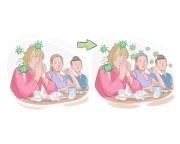
to extend or increase in influence or effect over a larger area or group of people
šířit, rozprostírat
Nový trend se rychle rozšířil mezi mladými lidmi.
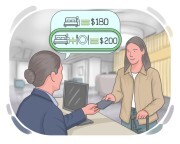
used to point out that something or someone is part of a set or group
včetně, zahrnující
Cesta pokrývá všechny výdaje, včetně letů a ubytování.

for the greatest part
z velké části, především
Problém byl z velké části ignorován mainstreamovými médii.
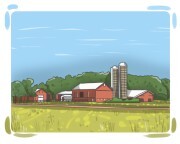
related to or characteristic of the countryside
venkovský, rustikální
Venkovské hospodářství úzce souvisí s činnostmi, jako je zemědělství, rybolov a lesnictví.
related to agriculture, farmers, or rural life
agrární, zemědělský
Zemědělská krajina se táhla na míle, s poli plodinami, kam až oko dohlédlo.

to be subject to change in form, appearance, or nature
přeměnit, transformovat
Procesem introspekce a sebepoznání se jednotlivci mohou přeměnit.
(of a country or region) having undergone significant economic and technological development
industrializovaný, vysoce industrializovaný
Industrializované národy mají tendenci mít silnější ekonomiky díky svým výrobním schopnostem.
describing the physical setting, culture, or lifestyle typically found in cities
městský, urbanistický
Přestěhovali se do městské oblasti, aby byli blíže svému pracovišti a vybavení.
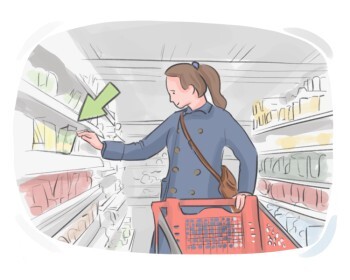
items made or produced for sale
zboží, produkty
Rozhodl se darovat své lehce použité zboží na charitu, v naději, že pomůže potřebným.
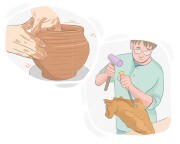
to skillfully make something, particularly with the hands
vyrábět, tvořit
Ona vyrábí ručně vyráběné šperky, pečlivě skládá každý kus s přesností.
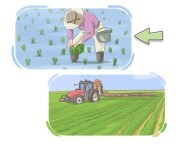
with the hands or physical effort rather than relying on machines or tools
ručně, manuálně
Krejčí ušil šaty ručně a věnoval pozornost každému detailu.

involving or impacting a large number of things or people collectively
hromadný, kolektivní
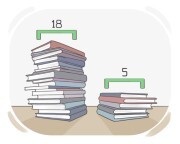
the amount of something or the whole number of things in a group
množství, číslo
Obchod nabízí slevy zákazníkům, kteří nakupují značné množství položek.
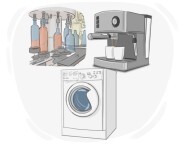
any piece of equipment that is mechanical, electric, etc. and performs a particular task
stroj, zařízení
Bankomat (stroj) byl mimo provoz z důvodu technických problémů.
the process of making or producing goods, especially in large quantities, typically using machinery or labor
výroba, produkce
Výroba elektroniky se v posledních letech stala více automatizovanou.
a place where a certain activity, business, or interest is mostly gathered or focused
centrum, jádro
Město se rozrostlo jako centrum kovovýroby.
used to introduce further information
navíc, kromě toho
Akce byla dobře organizovaná; navíc byly dekorace úchvatné.
in a manner accepted, used, or practiced by a large number of people or throughout many locations
široce, běžně
Platformy sociálních médií jsou široce přístupné uživatelům po celém světě.
used to indicate motion in a continuous direction on a surface or path
podél, podél
Auto pomalu jelo podél klikaté venkovské silnice.
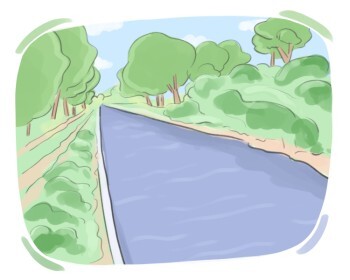
a long and artificial passage built and filled with water for ships to travel along or used to transfer water to other places
kanál, vodní cesta
Kanál byl rozšířen, aby pojal větší lodě.
a set of mechanical parts or devices that transmit and control power or motion in a machine or vehicle
převod, mechanismus
a system of separate parts acting together in order to perform a task
mechanismus, zařízení
the energy that is obtained through different means, such as electrical or solar, to operate different equipment or machines
energie, výkon
Počítač se náhle vypnul kvůli přepětí energie.
the act or process of forming, producing, creating, or preparing something
výroba, tvorba
Tato místnost je určena k výrobě keramiky.
one movement in a series of repeated actions where something moves back and forth or up and down
úder, pohyb
Čerpadlo posílalo vodu nahoru s každým zdvihem své kliky.
(technology) the origin or starting point of data, energy, or a process
zdroj, počátek
Přepnul vstupní zdroj, aby připojil externí monitor.
