
Cambridge IELTS 19 - Academic - Test 1 - Čtení - Úryvek 2 (1)
Učte se slovní zásobu z první části Cambridge IELTS 19 Academic, Test 1 Reading Passage 2, s užitečnými slovy a výrazy z textu.
Revize
Kartičky
tvary
Pravopis
Kvíz

to roam about without a specific purpose

potulovat se, toulat se
Bezpečnostní strážci procházejí areálem, aby zajistili bezpečnost.
to enter a place in order to steal or take things from it, especially quickly or by force
přepadnout, vyplenit
a vessel designed for transporting goods and merchandise as part of commercial trade
obchodní loď, nákladní loď
Posádka obchodní lodi se připravila na dlouhou cestu, aby dodala zásoby do vzdálených přístavů.

to indicate a potential danger or risk to someone or something
hrozit, představovat hrozbu
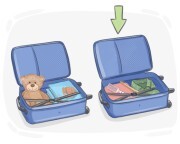
absolutely necessary and of great importance
zásadní, nezbytný
a regularly used path or route across the sea, often for the exchange of goods and services between different places or countries
obchodní cesta, obchodní stezka
Piráti často útočili na lodě plující podél rušných obchodních cest.

a country under the control of one government
stát, národ
the act of attacking or robbing ships at sea, often for financial gain
pirátství, korzárství
Posádka byla vycvičena k obraně proti pirátství při plavbě nebezpečnými vodami.
something that benefits or advantages someone or something, often in a specific situation
zájem, výhoda
a state or country where power is held by the people or their elected representatives, typically with an elected head of state rather than a monarch
republika, republikánský stát
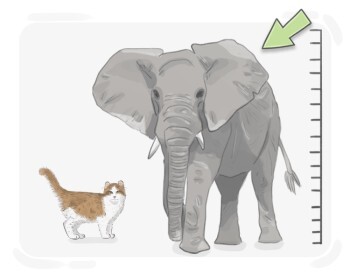
extremely large or heavy
masivní, obrovský
Starobylý hrad byl postaven z masivních kamenných zdí, stojících pevně po staletí.
a group of naval vessels organized to operate together as a military unit
flotila, loďstvo
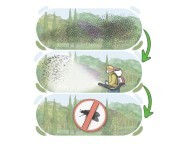
to completely remove, destroy, or get rid of something
eliminovat, odstranit
being subject to the rule, authority, or governance of something or someone
pod, pod vládou
Občané žili pod tvrdou diktaturou.
a military unit, area, or operation that is under the control and direction of one officer or leader
velení, jednotka
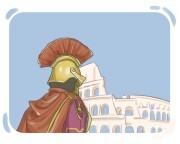
related to ancient Rome, its citizens, or empire
římský
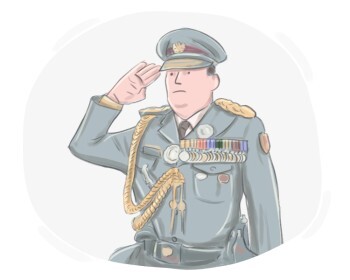
a high-ranking officer in the army, air force, or marines
generál
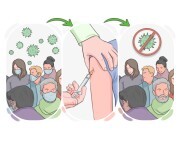
to completely destroy something, particularly a problem or threat
vymýtit, zničit
Očkovací kampaň úspěšně vymýtila šíření infekčního onemocnění.

to change the form, appearance, character, or nature of someone or something significantly
přeměnit, transformovat

to store information in a way that can be used in the future
nahrávat, zaznamenávat
the period during which a particular monarch rules
vláda
a title used for ancient Egyptian rulers
faraon, vládce starověkého Egypta
Hieroglyfické nápisy na chrámových zdech a památkách často oslavovaly úspěchy a božský status faraonů.
demonstrating sensible judgment or fairness in decision-making
rozumný, spravedlivý
Není rozumné očekávat, že někdo bude pracovat přesčas bez náhrady.

a person who attacks and robs ships at sea, typically for personal gain
pirát, korzár
Pro maškarní ples se oblékl jako pirát, komplet s kloboukem a mečem.
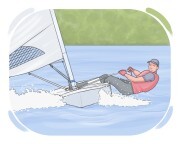
to travel on water using the power of wind or an engine
plout, plachtit
a person or thing that chases, follows, or tries to catch something or someone
pronásledovatel, lovec
Kroky pronásledovatele se rozléhaly prázdnou uličkou.
(of an idea or thought) to suddenly be remembered or thought of
vytanout na mysli, napadnout
Cestou domů mě napadl lepší postup.

all the people who work on a ship, aircraft, etc.
posádka, lodní personál
a person or thing that is out of place or does not conform to the norms or expectations of a particular group, environment, or situation
mimoň, vyvrhel
Byl v rodině misfit, s odlišnými zájmy a nápady.

someone who is reckless and likes putting themselves in danger
dobrodruh, odvážlivec
Vystoupení darebáka bylo vzrušující, ale nechalo publikum v napětí.
a boat that uses large pieces of cloth called sails to catch the wind and move across the water
plachetnice, plachetní loď
Přístav byl plný moderních lodí a staré plachetnice.
a region of islands and territories in the Caribbean Sea known for its tropical climate, diverse cultures, and natural beauty
Karibik, Antily
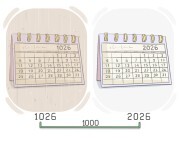
a period of one thousand years, usually calculated from the year of the birth of Jesus Christ
tisíciletí, milenium
Historici studují události, které se odehrály během prvního tisíciletí našeho letopočtu, aby porozuměli starověkým civilizacím.
a daring or adventurous person, who engages in brave or reckless activities
šermíř, dobrodruh
Jeho pověst dobrodruha z něj udělala legendu ve městě.
to exist or occur at an earlier time than something else
předcházet, existovat dříve
Rané formy měny předcházejí moderním měnovým systémům.
a society that has developed its own culture and institutions in a particular period of time or place
civilizace, společnost
Vzestup civilizace v Mezopotámii znamenal počátek zaznamenané historie.
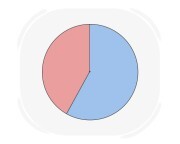
to a specific extent or degree
částečně, do určité míry
Obraz je částečně abstraktní a částečně realistický.
as a result of a specific cause or reason
kvůli, z důvodu
Zrušení hodin bylo kvůli stávce učitelů.

in a manner that consists mostly of a specific kind, quality, etc.
převážně, hlavně
Počasí v této oblasti je převážně horké a suché po celý rok.
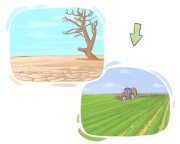
(of land or soil) able to produce crops or plants well
úrodný
Úrodná delta řeky Gangy v Indii poskytuje životně důležité živiny pro pěstování rýže.
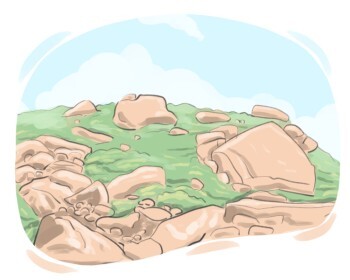
(of land or terrain) rough, uneven, and often difficult to navigate, with features such as steep slopes or rocky surfaces
členitý, strmý
Členité hory bylo obtížné zdolat.

having many hills
kopcovitý, členitý
Kopcovité silnice mohou být během deštivého období nebezpečné.

(of an area) having a lot of mountains
hornatý, kopcovitý
Průzkum hornatého terénu vyžadoval pečlivou přípravu a vybavení.
a person or animal that lives in a particular place
obyvatel
to depend on someone or something for support and assistance
spoléhat se na, záviset na
Jako turista se musíte spoléhat na správné vybavení pro bezpečnost v divočině.
to a great or considerable extent
těžce, do značné míry
Projekt je silně zaměřen na udržitelnost.
of, relating to, found in, or living in the sea
mořský, námořní
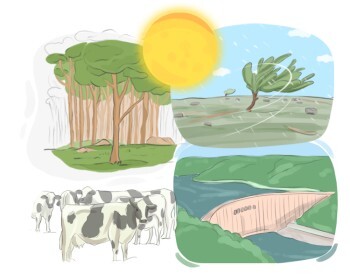
(usually plural) a country's gas, oil, trees, etc. that are considered valuable and therefore can be sold to gain wealth
zdroj, přírodní bohatství
to have a particular quality, attribute, knowledge, or skill
vlastnit, mít
concerning or involving travel by sea, especially for work or adventure
námořní, mořeplavecký
Námořní tradice ostrovanů se předávají z generace na generaci.
not exceeded by anything or anyone else
nepřekonatelný, nesrovnatelný
Její nepřekonatelné znalosti předmětu z ní udělaly odborníka v akademické komunitě.

the boundary between land and water, particularly as seen on a map or from above
pobřeží, pobřežní čára
Turisté obdivovali krásu středomořského pobřeží.

used to introduce a result based on the information or actions that came before
tudíž, proto
to begin doing something harmful, like crime or drugs, often as a response to feeling unhappy
obrátit se k, začít s
Osamělost ho přiměla obrátit se k nezdravým návykům.
indicating a large number of something
četné, mnoho
Město je známé svými četnými historickými památkami a turistickými atrakcemi.
a small curved area of land that partly encloses a specific part of the sea
zátoka, malá zátoka
Útesy obklopující zátoku nabízely úchvatný výhled na západ slunce nad oceánem.
to launch a planned and forceful attack against an enemy or target
udeřit, zaútočit
not discovered, noticed, or detected, often referring to something that was searched or looked for
nezjištěný, nepovšimnutý
Vady v designu nebyly inženýry odhaleny.
designed or capable of traveling on the open sea, especially over long distances
oceánský, dálkový
Mořská jachta byla vybavena nejnovější navigační technologií.
any body of water that is not contained within a defined or enclosed area
otevřená voda, vodní plocha
(of a sea or other area of water) deep or wide enough for ships or boats to travel through
splavný, průjezdný pro lodě
Přístav se připojuje k několika splavným vodním cestám.

to load or put cargo on board a ship
naložit, nalodit náklad
Dopravci dobytka jsou vybaveni k bezpečnému naložení zvířat.
the influence, control, or power that comes from status, money, or position
moc, síla
a small, fast sailing ship used in the past mainly by the Portuguese and Spanish
karavela, rychlá loď
Námořníci opravili karavelu před další plavbou.
used typically before a date to show that it is not exact
kolem, přibližně
První záznamy se objevily circa 1500.
a fixed way between two places, along which a bus, plane, ship, etc. regularly travels
trasa, cesta
to have information, meaning, or condition
obsahovat, držet
