pattern

Cambridge IELTS 19 - Academic - Test 1 - Czytanie - Fragment 3 (2)

Learn vocabulary from the second part of Cambridge IELTS 19 Academic, Test 1 Reading Passage 3, with useful words and expressions from the text.

Przegląd

Fiszki

formy

Pisownia

Test

Zacznij naukę
Cambridge IELTS 19 - Academic
to counter
to counter
[Czasownik]

to do something to avoid or decrease the harmful or unpleasant effects of something

przeciwdziałać, neutralizować

przeciwdziałać, neutralizować

Ex: Taking vitamin C can help counter the effects of a cold. 
momentarily
momentarily
[przysłówek]

for a very short time

krótko, chwilowo

krótko, chwilowo

Ex: The sun emerged from behind the clouds momentarily. 

Słońce na chwilę wyłoniło się zza chmur.

either
either
[określnik]

one or the other of two things or people, no matter which

którykolwiek z dwóch, albo to

którykolwiek z dwóch, albo to

Ex: Either path will lead us to the top of the hill, so let's take the one that looks easier. 

Każda ścieżka zaprowadzi nas na szczyt wzgórza, więc wybierzmy tę, która wygląda na łatwiejszą.

skepticism
skepticism
[Rzeczownik]

a doubting or questioning attitude towards ideas, beliefs, or claims that are generally accepted

sceptycyzm

sceptycyzm

Ex: His skepticism of paranormal phenomena led him to seek logical explanations for strange occurrences. 

Jego sceptycyzm wobec zjawisk paranormalnych skłonił go do poszukiwania logicznych wyjaśnień dziwnych zdarzeń.

to reside
to reside
[Czasownik]

to be located in a particular place

przebywać, znajdować się

przebywać, znajdować się

Ex: The charming old cottage resides at the edge of the picturesque village. 

Uroczy stary domek znajduje się na skraju malowniczej wioski.
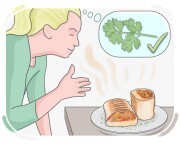
to perceive
to perceive
[Czasownik]

to notice or become aware of something, especially through the senses

postrzegać,  zauważać
postrzegać, zauważać

Ex: The animal can perceive sounds that humans cannot hear. 
regulatory
regulatory
[przymiotnik]

creating and enforcing rules or regulations to control or govern a particular activity or industry

regulacyjny, regulujący

regulacyjny, regulujący

Ex: The regulatory agency oversees the safety standards in the pharmaceutical industry. 
agency
agency
[Rzeczownik]

a business or organization that provides services to other parties, especially by representing them in transactions

agencja, biuro

agencja, biuro

Ex: A real estate agency helps facilitate transactions between property buyers and sellers. 
post hoc
post hoc
[Rzeczownik]

a mistake of thinking one event caused another just because it happened first

post hoc, rozumowanie post hoc

post hoc, rozumowanie post hoc

Ex: Post hoc reasoning can lead to incorrect conclusions about cause and effect. 

Rozumowanie post hoc może prowadzić do błędnych wniosków na temat przyczyny i skutku.

detection
detection
[Rzeczownik]

the act of noticing or discovering that something has happened or exists

wykrycie, odkrycie

wykrycie, odkrycie

Ex: The detection of changes in temperature indicated a malfunction. 

Wykrycie zmian temperatury wskazywało na awarię.

to broadcast
to broadcast
[Czasownik]

to transmit a program, sound, or images by radio, television, or similar media

nadawać,  transmitować

nadawać, transmitować

Ex: They are broadcasting the concert from Chicago. 
Food and Drug Administration

an agency responsible for protecting public health by regulating food, drugs, medical devices, and other related products

Agencja Żywności i Leków, Urząd ds. Żywności i Leków

Agencja Żywności i Leków, Urząd ds. Żywności i Leków

Ex: New medical devices must meet FDA standards before they can be sold in the U.S. 

Nowe urządzenia medyczne muszą spełniać standardy Food and Drug Administration zanim będą mogły być sprzedawane w USA.
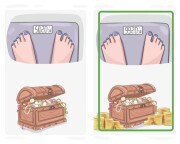
considerable
considerable
[przymiotnik]

large in quantity, extent, or degree

znaczny, duży

znaczny, duży

Ex: The event attracted a considerable audience, filling the stadium to capacity. 

Wydarzenie przyciągnęło znaczną publiczność, wypełniając stadion do ostatniego miejsca.

monitoring
monitoring
[Rzeczownik]

the process of regularly observing or checking something to track its condition, performance, or progress

monitorowanie

monitorowanie

Ex: Environmental monitoring showed a gradual improvement in water quality. 
notification
notification
[Rzeczownik]

the act of officially informing someone about something, usually in writing

powiadomienie,  zawiadomienie

powiadomienie, zawiadomienie

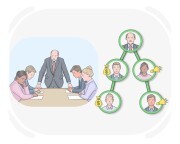
function
function
[Rzeczownik]

the purpose or intended use of something

funkcja, przeznaczenie
funkcja, przeznaczenie

Ex: The function of the lever is to lift heavy objects. 
role
role
[Rzeczownik]

a set of actions and responsibilities that are assigned to a person or group within a specific context

rola

rola

Ex: Parents play an important role in a child's education. 
preemptive
preemptive
[przymiotnik]

done before something else happens to prevent a problem or danger

prewencyjny, zapobiegawczy

prewencyjny, zapobiegawczy

Ex: He took preemptive medicine to avoid getting sick during flu season. 

Zażył zapobiegawczy lek, aby uniknąć zachorowania w sezonie grypowym.

censoring
censoring
[Rzeczownik]

the act of examining and removing or altering content that is considered offensive or harmful

cenzura, filtrowanie

cenzura, filtrowanie

Ex: She disagreed with the censoring of the documentary on controversial topics. 

Nie zgodziła się na cenzurowanie dokumentu o kontrowersyjnych tematach.

to oversee
to oversee
[Czasownik]

to observe an activity in order to ensure that everything is done properly

nadzorować, kontrolować

nadzorować, kontrolować

Ex: The supervisor oversees the production line to check for quality control. 

Kierownik nadzoruje linię produkcyjną, aby sprawdzić kontrolę jakości.

prescription drug
prescription drug
[Rzeczownik]

a medication that needs a written order from a licensed healthcare provider to be bought because of its potential side effects and risks

lek na receptę, lek przepisany

lek na receptę, lek przepisany

Ex: The nurse explained the importance of following the prescription drug schedule. 

Pielęgniarka wyjaśniła znaczenie przestrzegania harmonogramu leków na receptę.

advertising
advertising
[Rzeczownik]

a paid announcement that draws public attention to a product or service

reklama, ogłoszenie
reklama, ogłoszenie

Ex: The company invested heavily in advertising to boost brand awareness. 
typically
typically
[przysłówek]

in a way that usually happens

typowo, zazwyczaj

typowo, zazwyczaj

Ex: She typically drinks coffee in the morning. 

Ona zwykle pije kawę rano.

violation
violation
[Rzeczownik]

the act of breaking a legal code

naruszenie, przestępstwo

naruszenie, przestępstwo

guideline
guideline
[Rzeczownik]

a principle, recommendation, or instruction that helps determine how something should be done

wytyczna,  dyrektywa

wytyczna, dyrektywa

Ex: Doctors are encouraged to follow the latest treatment guidelines. 
laudable
laudable
[przymiotnik]

(of an idea, intention, or act) deserving of admiration and praise, regardless of success

godny pochwały

godny pochwały

Ex: He made a laudable attempt to improve the company’s culture. 

Podjął godny pochwały próbę poprawy kultury firmy.

effort
effort
[Rzeczownik]

an attempt to do something, particularly something demanding

wysiłek

wysiłek

Ex: Despite her best effort, she couldn't solve the puzzle. 
initially
initially
[przysłówek]

at the starting point of a process or situation

początkowo, na początku

początkowo, na początku

Ex: The app initially had just 100 users; today it serves millions. 

Aplikacja początkowo miała tylko 100 użytkowników; dziś obsługuje miliony.

to encounter
to encounter
[Czasownik]

to come across or meet someone or something, often unexpectedly or by accident

napotkać, natknąć się na

napotkać, natknąć się na

Ex: On the nature trail, we encountered a variety of wildlife, from birds to butterflies. 
tremendous
tremendous
[przymiotnik]

of great extent or intensity

ogromny, wspaniały

ogromny, wspaniały

Ex: They experienced a tremendous surge of excitement when the event was announced. 

Doświadczyli ogromnego przypływu emocji, gdy ogłoszono wydarzenie.

to estimate
to estimate
[Czasownik]

to make an educated guess about how likely something is to happen

szacować, oceniać

szacować, oceniać

Ex: I estimate that he'll arrive within the next hour based on his last message. 
fairly
fairly
[przysłówek]

more than average, but not too much

dość, całkiem

dość, całkiem

Ex: The cake was fairly sweet, but not overly so. 

Ciasto było dość słodkie, ale nie za bardzo.

to come across
to come across
[Czasownik]

to discover, meet, or find someone or something by accident

natknąć się na, przypadkiem znaleźć

natknąć się na, przypadkiem znaleźć

Ex: While researching for my project, I came across an interesting article that provided valuable insights. 

Podczas poszukiwań do mojego projektu natknąłem się na ciekawy artykuł, który dostarczył cennych spostrzeżeń.

to label
to label
[Czasownik]

to assign a quality to someone or something in order to categorize them

etykietować, kategoryzować

etykietować, kategoryzować

Ex: They labeled her as a troublemaker because of her outspoken nature. 
to garner
to garner
[Czasownik]

to obtain or earn something desired or needed, typically through effort or skill

zdobyć, uzyskać

zdobyć, uzyskać

Ex: The company garnered attention with its innovative product launch. 

Firma zyskała uwagę dzięki wprowadzeniu innowacyjnego produktu.

debate
debate
[Rzeczownik]

a discussion about a particular issue between two opposing sides, mainly held publicly

debata

debata

Ex: The candidates participated in a televised debate to present their views on economic policy. 
dilemma
dilemma
[Rzeczownik]

a situation in which a difficult choice must be made between alternatives

dylemat

dylemat

Ex: Daniel found himself in a dilemma when both universities offered him scholarships. 
neatly
neatly
[przysłówek]

in an orderly and tidy manner, with things arranged properly and cleanly

schludnie, porządnie

schludnie, porządnie

Ex: He wrote his name neatly at the top of the paper. 

Starannie napisał swoje imię na górze kartki.
to summarize
to summarize
[Czasownik]

to give a short and simplified version that covers the main points of something

podsumować, streszczać

podsumować, streszczać

Ex: After reading the lengthy report, she asked her colleague to summarize the main findings for her. 
contrast
contrast
[Rzeczownik]

the noticeable difference or opposition between two or more things that are compared

kontrast

kontrast

Ex: The bright colors of the flowers stood in stark contrast to the dull, gray background. 
philosopher
philosopher
[Rzeczownik]

a person who studies, develops, or writes about fundamental ideas concerning knowledge, reality, ethics, reasoning, and existence

filozof,  myśliciel
filozof, myśliciel

Ex: The book examines how different philosophers understood justice. 
conflicting
conflicting
[przymiotnik]

showing opposing ideas or opinions that do not agree, causing confusion or disagreement

sprzeczny, rozbieżny

sprzeczny, rozbieżny

Ex: The company's values and actions were conflicting, undermining trust among employees and customers. 

Wartości i działania firmy były sprzeczne, co podważyło zaufanie wśród pracowników i klientów.

empirically
empirically
[przysłówek]

in a way that is based on observation, experience, or practical evidence rather than just theoretical ideas

empirycznie, na podstawie doświadczenia

empirycznie, na podstawie doświadczenia

Ex: The effectiveness of the teaching method was assessed empirically by evaluating student performance. 

Skuteczność metody nauczania została oceniona empirycznie poprzez ocenę wyników uczniów.

to argue
to argue
[Czasownik]

to provide evidence or support for a particular conclusion or viewpoint

argumentować, twierdzić
argumentować, twierdzić

Ex: The circumstances argue his involvement in the conspiracy. 
to reject
to reject
[Czasownik]

to refuse to accept a proposal, idea, person, etc.

odrzucać, odtrącać

odrzucać, odtrącać

Ex: He rejected the first draft of the report, asking for major revisions. 
by default
by default
[Fraza]

if something happens by default, it happens because one has not made any other decision or choices that would make things happen differently

subsequently
subsequently
[przysłówek]

after a particular event or time

następnie, później

następnie, później

Ex: He graduated in 2019 and subsequently moved to New York. 

Ukończył studia w 2019 roku i następnie przeniósł się do Nowego Jorku.

through
through
[Przyimek]

used to indicate the method or channel by which something is done

przez, za pomocą

przez, za pomocą

Ex: We tracked the package through the app. 

Śledziliśmy paczkę za pośrednictwem aplikacji.

cognitive
cognitive
[przymiotnik]

referring to mental processes involved in understanding, thinking, and remembering

poznawczy, umysłowy

poznawczy, umysłowy

Ex: Cognitive neuroscience studies how brain structures contribute to mental processes. 
empirical
empirical
[przymiotnik]

based on observation, experience, or experiment rather than primarily on theory

empiryczny,  doświadczalny

empiryczny, doświadczalny

Ex: Scientists must test the hypothesis through empirical research. 
account
account
[Rzeczownik]

a general description of an idea, a theory, or an event

relacja, opis

relacja, opis

Ex: The account given by the survivor highlighted the challenges faced during the disaster. 
engagement
engagement
[Rzeczownik]

active involvement or participation in an activity, issue, or relationship

zaangażowanie,  uczestnictwo

zaangażowanie, uczestnictwo

Ex: Daniel emphasized the importance of public engagement in the project. 
exposure
exposure
[Rzeczownik]

public attention or publicity received by a person, organization, product, or work

ekspozycja,  rozgłos

ekspozycja, rozgłos

Ex: The festival gives local musicians exposure to a wider audience. 
to encode
to encode
[Czasownik]

to process or convert information into a format that can be stored, understood, or used later

kodować, szyfrować

kodować, szyfrować

Ex: The system encodes customer details securely. 

System koduje dane klientów bezpiecznie.

to tag
to tag
[Czasownik]

to label or identify someone or something with a specific descriptive term or nickname

oznaczać, tagować

oznaczać, tagować

Ex: She playfully tagged her brother as the king of dad jokes for his endless supply of puns and one-liners. 
resource
resource
[Rzeczownik]

qualities, skills, or abilities that help someone manage challenges or accomplish tasks

zasób, umiejętność

zasób, umiejętność

Ex: She found strength in her inner resources during tough times. 
preemptively
preemptively
[przysłówek]

in a way that prevents something from happening by taking action ahead of time

prewencyjnie, z wyprzedzeniem

prewencyjnie, z wyprzedzeniem

Ex: He preemptively canceled the meeting due to the storm. 

Prewencyjnie odwołał spotkanie z powodu burzy.

direct-to-consumer
direct-to-consumer
[przymiotnik]

selling products or services directly to the customer, without using stores or other middlemen

bezpośredni do konsumenta, sprzedaż bezpośrednia do konsumenta

bezpośredni do konsumenta, sprzedaż bezpośrednia do konsumenta

Ex: They launched a direct-to-consumer website to sell their clothing line. 

Wystartowali z witryną direct-to-consumer, aby sprzedawać swoją linię odzieży.

in support of
in support of
[przysłówek]

in a manner that shows help, approval, or agreement for something or someone

wspierając, na rzecz

wspierając, na rzecz

Ex: Many people came to the meeting in support of the new project. 

Wiele osób przyszło na spotkanie wspierając nowy projekt.

structure
structure
[Rzeczownik]

the way something is built or organized, including the arrangement of its parts

struktura, organizacja

struktura, organizacja

Ex: The essay has a clear structure that guides the reader. 
mechanism
mechanism
[Rzeczownik]

a mechanical device or system with moving parts that work together to perform a specific function

mechanizm
mechanizm

Ex: The locking mechanism on the door jammed and wouldn't turn. 
consistent
consistent
[przymiotnik]

following the same course of action or behavior over time

konsekwentny, regularny

konsekwentny, regularny

Ex: The teacher praised the student for their consistent attendance and participation in class. 

Nauczyciel pochwalił ucznia za jego konsekwentną frekwencję i udział w zajęciach.

LanGeek
Pobierz aplikację LanGeek