
Список Слов Уровня B2 - королевский
Здесь вы выучите некоторые английские слова о монархии, такие как "династия", "империя", "замок" и т.д., подготовленные для учащихся уровня B2.
Обзор
Флэш-карточки
Правописание
Тест


to be the neighboring country or region next to another, sharing a line

граничить
Канада граничит с Соединёнными Штатами, имея длинную общую границу, простирающуюся с востока на запад.
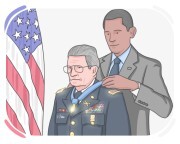
to show a lot of respect for someone or something
почитать
Семьи могут чтить свое наследие, сохраняя и передавая культурные традиции.

people in the highest class of society who have a lot of power and wealth and usually high ranks and titles
аристократия
На мероприятии присутствовали члены аристократии в элегантной одежде.

a lineage of kings who rule a country or nation over a long period of time
династия
Династия Романовых была последней императорской династией, правившей Россией.

a territory governed by an emperor or empress, under imperial authority
империя
Император расширил свою империю на три континента.
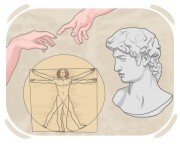
the period between the 14th and 16th centuries in Europe, marked by a rise of interest in Greek and Roman cultures, which is dominant in the art, philosophy, etc. of the times
эпоха Возрождения
Период Возрождения известен своими выдающимися достижениями в искусстве, науке и литературе.
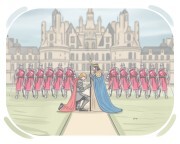
an era in European history, between about AD 1000 and AD 1500, when the authority of kings, people of high rank, and the Christian Church was unquestionable
Средние века
Многие важные университеты и центры обучения были основаны в Европе в течение Средневековья.
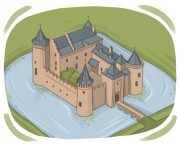
a large and strong building that is protected against attacks, in which the royal family lives
замок
Они осмотрели древний замок, исследуя его величественные залы и тайные проходы.

a structure or town that has been designed for military defense against enemy attacks
крепость
Древняя крепость стояла на вершине холма, возвышаясь над окружающей сельской местностью.
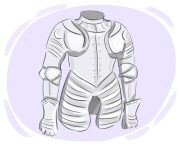
a protective metal clothing used by soldiers in the past in order not to be harmed or injured during battles
доспехи
В музее была представлена выставка средневековых доспехов, демонстрирующая различные стили и дизайны, использовавшиеся на протяжении истории.
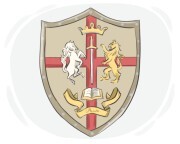
the symbol of a nation, country, family, etc. that is usually printed on shields or flags
герб
На гербе университета изображены лев и открытая книга, символизирующие силу и знание.
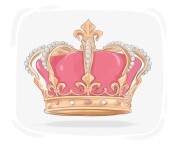
a round object often decorated with gems that kings or queens put on their heads as a symbol of power and authority
корона
Корона передавалась из поколения в поколение, символизируя преемственность королевской линии.
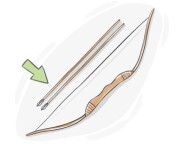
a type of weapon consisting of a metal or wooden bar with a sharp head and feathers at the end
стрела
Лучник натянул лук и выпустил стрелу, точно попав в цель.

a type of weapon consisting of a long metal blade and a handle
меч, шпага
Он восхищался древним мечом самурая, выставленным в музее.

a special design or sign that represents a nation, monarchy, etc.
эмблема
Каждый род войск имеет свой собственный эмблему, чтобы обозначить свою конкретную роль и историю.
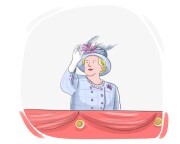
relating to the king or queen or belonging to the monarchy
королевский
Королевский шеф-повар приготовил особый пир для посещающих dignitaries.
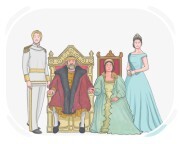
kings and queens and any member of their families
королевская семья
На церемонии присутствовала королевская семья из нескольких стран, что добавило ей величия.

belonging to the highest social or political class
аристократ
Родовое поместье знатной семьи демонстрировало их многовековую родословную и престиж.

the class of people with the highest social or political ranks and titles
аристократия
Король пожаловал земли и титулы дворянству в знак признания их верности.

a noble title in European countries, ranking below a marquess and above a viscount
граф
Граф жил в впечатляющем замке на окраине деревни.

a woman holding the rank of a count or earl
графиня
Графиня присутствовала на королевской церемонии в полном облачении.
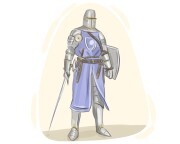
(in the Middle Ages) a man of high social rank, wearing armor and riding a horse, who is loyal to his king
рыцарь
Рыцарь въехал в битву с поднятым мечом.

the title of a woman with the rank of a duke
герцогиня
Как герцогиня, она наслаждалась жизнью привилегий и влияния в аристократических кругах.

the male ruler of a territorial unit that has a royal family
король
Король правил королевством с мудростью и состраданием.
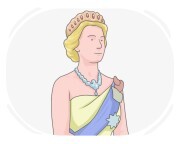
the female ruler of a territorial unit that has a royal family
королева
Коронация королевы была грандиозным событием, на котором присутствовали сановники со всего мира.
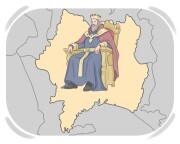
an area or territory that is governed by a king or queen
королевство
Древнее королевство было известно своим процветающим торговым делом и культурными достижениями.

a title given to a lord's wife
дама
Её знали как Леди поместья, управляющую домом с изяществом и достоинством.

a title used to address a king or queen with respect
величество
Письмо было написано Его Величеству, выражая благодарность и преданность граждан.

a man of high rank who belongs to the nobility
лорд
Феодальная система возлагала на лордов обязанность отправлять правосудие и собирать налоги со своих вассалов.
a person who has the power to rule over a kingdom or empire, especially someone who inherits this power
монарх
Монарх обратился к нации во время телевизионного выступления, обсуждая важные вопросы и предстоящие события.
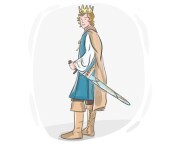
a male royal heir or ruler, typically the son of a king or queen
принц
Принц отпраздновал свое двадцать первое день рождения с большим балом во дворце.
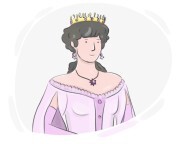
a female member of a royal family, typically the daughter of a king or queen
принцесса
Принцесса надела потрясающее платье на королевский бал, привлекая всеобщее внимание.

a man of high rank in various European countries, ranking just below a prince and above a count or earl
герцог
Герцог председательствовал в совете знати для обсуждения вопросов управления и политики.

the practice of owning and controlling people as property, denying them basic human rights and freedoms
рабовладение
Аболиционисты неустанно боролись за прекращение рабства и обеспечение прав порабощённых людей.
