pattern

Từ vựng cho IELTS Academic (Điểm 5) - Toán học

Ở đây, bạn sẽ học một số từ tiếng Anh liên quan đến Toán học cần thiết cho kỳ thi IELTS Học thuật Cơ bản.

Xem lại

Thẻ ghi nhớ

Chính tả

Đố vui

Bắt đầu học
Vocabulary for IELTS Academic (Band 5)
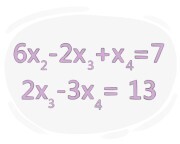
algebra
algebra
[Danh từ]

a branch of mathematics in which abstract letters and symbols represent numbers in order to generalize the arithmetic

đại số

đại số

Ex: Algebra is an essential foundation for more advanced mathematical studies such as calculus and linear algebra. 

Đại số là nền tảng cần thiết cho các nghiên cứu toán học nâng cao hơn như giải tích và đại số tuyến tính.
arithmetic
arithmetic
[Danh từ]

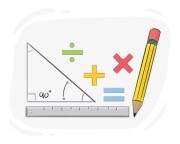
a branch of mathematics that deals with addition, subtraction, multiplication, etc.

số học

số học

Ex: The study of arithmetic dates back to ancient civilizations, where early mathematicians developed techniques for counting and calculating. 

Nghiên cứu về số học có từ thời các nền văn minh cổ đại, nơi các nhà toán học đầu tiên phát triển các kỹ thuật đếm và tính toán.

geometry
geometry
[Danh từ]

the branch of mathematics that deals with the relation between the lines, angles and surfaces or the properties of the space

hình học

hình học

Ex: He struggled with the geometry problems in his math homework. 

Anh ấy vật lộn với các bài toán hình học trong bài tập toán về nhà của mình.

equation
equation
[Danh từ]

(mathematics) a statement indicating the equality between two values

phương trình
phương trình

Ex: Balancing chemical equations is crucial in chemistry to ensure conservation of atoms and mass. 

Cân bằng các phương trình hóa học là rất quan trọng trong hóa học để đảm bảo sự bảo toàn nguyên tử và khối lượng.

fraction
fraction
[Danh từ]

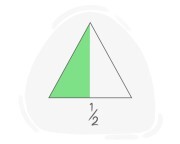
a number obtained by dividing one integer or rational number by another, typically written in the form a/b

phân số, phân số thông thường

phân số, phân số thông thường

Ex: Fractions can be converted to decimals for easier calculation. 

Phân số có thể được chuyển đổi thành số thập phân để tính toán dễ dàng hơn.

decimal
decimal
[Danh từ]

(mathematics) a number less than one, called a fraction, that is represented as a period followed by the number of tenths, hundredths, etc.

số thập phân, phần thập phân

số thập phân, phần thập phân

Ex: The decimal system, based on powers of ten, is widely used in everyday arithmetic and financial calculations. 

Hệ thống thập phân, dựa trên lũy thừa của mười, được sử dụng rộng rãi trong số học hàng ngày và tính toán tài chính.
percentage
percentage
[Danh từ]

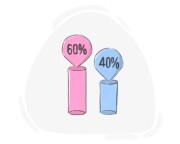
a number or amount expressed as a fraction of 100

phần trăm
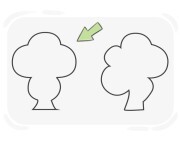
phần trăm

Ex: The percentage of elderly population is expected to rise in the next decade. 

Tỷ lệ dân số già dự kiến sẽ tăng trong thập kỷ tới.

symmetry
symmetry
[Danh từ]

the quality of having two halves that are exactly the same, which are separated by an axis

sự đối xứng

sự đối xứng

Ex: The snowflake's hexagonal symmetry results from its crystal structure. 

Đối xứng lục giác của bông tuyết bắt nguồn từ cấu trúc tinh thể của nó.

coordinate
coordinate
[Danh từ]

any set of numbers that represents an exact position on a map or graph

tọa độ, tọa độ địa lý
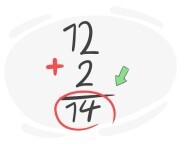
tọa độ, tọa độ địa lý

Ex: The treasure map listed cryptic coordinates for the island. 

Bản đồ kho báu liệt kê các tọa độ bí ẩn cho hòn đảo.

sum
sum
[Danh từ]

the whole amount of numbers added together

tổng, tổng số
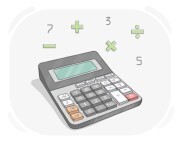
tổng, tổng số

Ex: The sum of the angles in a triangle is always 180 degrees. 

Tổng các góc trong một tam giác luôn là 180 độ.

calculation
calculation
[Danh từ]

the act of finding a number or amount using mathematics

tính toán, sự tính toán

tính toán, sự tính toán

Ex: She double-checked her calculations to ensure the accuracy of the financial report. 

Cô ấy đã kiểm tra lại tính toán của mình để đảm bảo độ chính xác của báo cáo tài chính.

multiple
multiple
[Danh từ]

a number that is the result of multiplying a given number by an integer

bội số, một bội số

bội số, một bội số

Ex: The number 24 is a multiple of both 6 and 4. 

Số 24 là bội số của cả 6 và 4.

prime number
prime number
[Danh từ]

a number greater than 1 with only two devisors which can be itself or 1

số nguyên tố

số nguyên tố

Ex: The number 15 is not a prime number (divisible by 3 and 5). 

Số 15 không phải là số nguyên tố (chia hết cho 3 và 5).

composite number
composite number
[Danh từ]

a positive number that is the multiple of two or more numbers except for 1 and the number itself

số hợp, số không nguyên tố
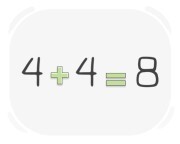
số hợp, số không nguyên tố

addition
addition
[Danh từ]

the calculation of the total of two or more numbers added together

phép cộng, tổng
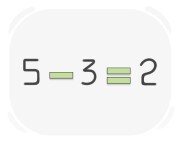
phép cộng, tổng

Ex: Addition can be done using a calculator or by writing numbers on paper. 

Phép cộng có thể được thực hiện bằng cách sử dụng máy tính hoặc viết số trên giấy.

subtraction
subtraction
[Danh từ]

the mathematical process of finding the difference between two numbers, quantities, or expressions

phép trừ, sự trừ

phép trừ, sự trừ

Ex: The teacher explained how subtraction is used to calculate change. 

Giáo viên đã giải thích cách phép trừ được sử dụng để tính tiền thối lại.
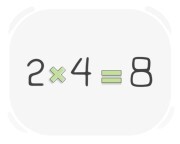
multiplication
multiplication
[Danh từ]

the process or action of adding a number to itself a specific number of times

phép nhân

phép nhân

Ex: Multiplication is one of the four basic operations in math, along with addition, subtraction, and division. 

Phép nhân là một trong bốn phép tính cơ bản trong toán học, cùng với phép cộng, phép trừ và phép chia.
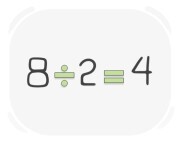
division
division
[Danh từ]

the process of calculating how many times a number can contain another number

phép chia, sự chia

phép chia, sự chia

Ex: A division problem can be represented using the "÷" symbol or a slash (/) symbol. 

Một bài toán chia có thể được biểu diễn bằng ký hiệu "÷" hoặc dấu gạch chéo (/).

probability
probability
[Danh từ]

(mathematics) a number representing the chances of something specific happening

xác suất

xác suất

Ex: The probability of rolling a six on a fair die is one out of six. 
variable
variable
[Danh từ]

(mathematics) a quantity that is capable of assuming different values in a calculation

biến số

biến số

Ex: Scientists use variables to model complex systems and analyze how different factors affect outcomes. 

Các nhà khoa học sử dụng biến số để mô hình hóa các hệ thống phức tạp và phân tích cách các yếu tố khác nhau ảnh hưởng đến kết quả.

LanGeek
Tải ứng dụng LanGeek